







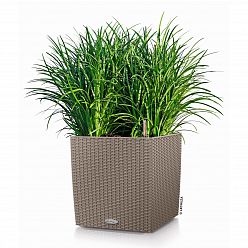
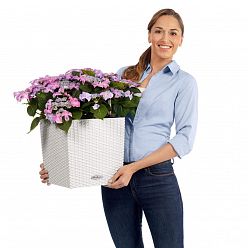
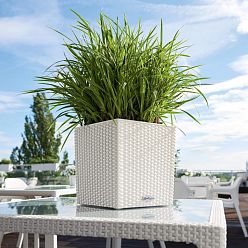
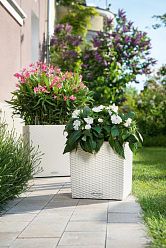










How to Choose an Indoor Planter
Choosing an indoor planter involves balancing two things that don't always align easily: what's right for the plant and what works in the room. Get both right and the result looks effortless. Here's what to think through before buying.
Fitting an Indoor Planter to the Room
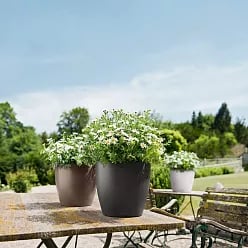
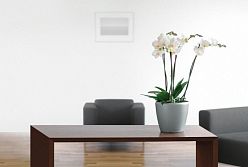
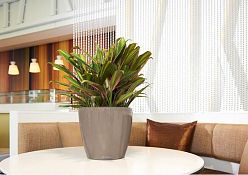
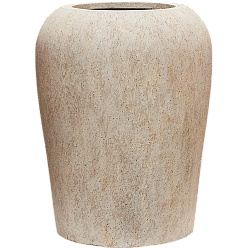
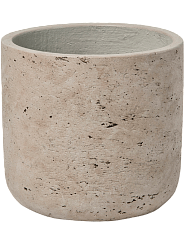
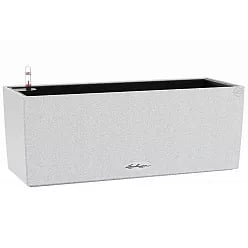
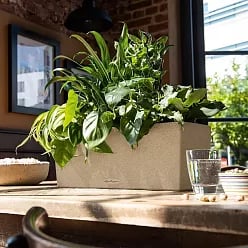
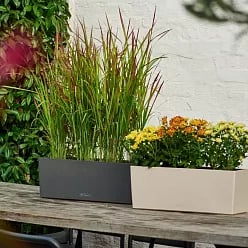
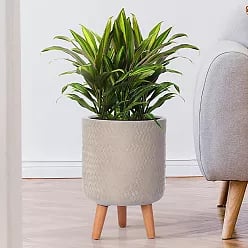
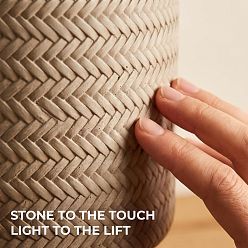
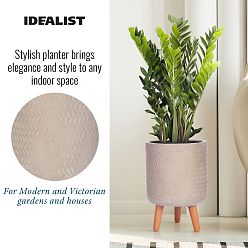
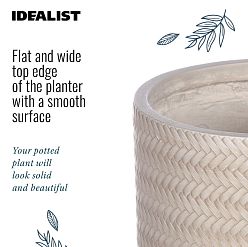
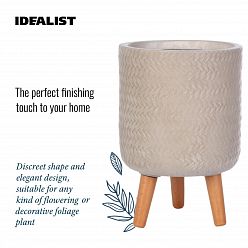
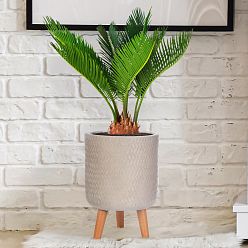
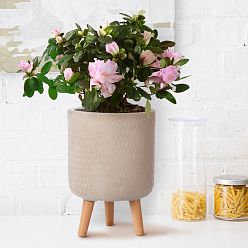
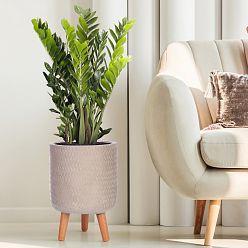
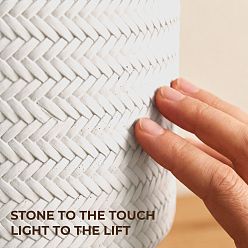
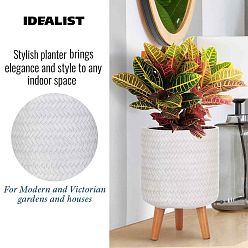
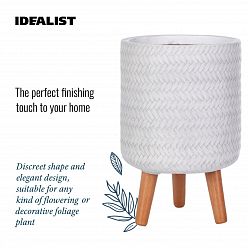
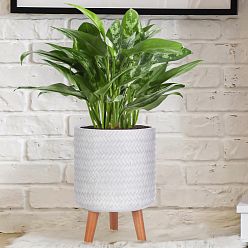
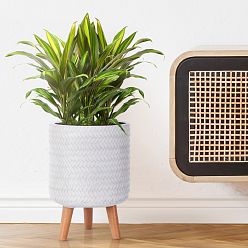
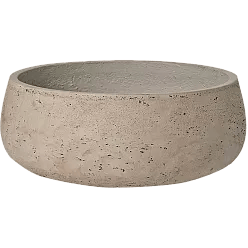
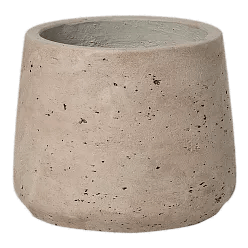
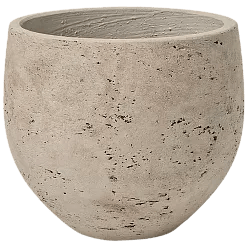
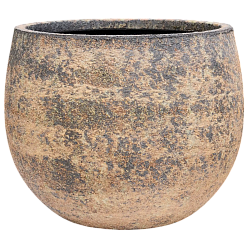
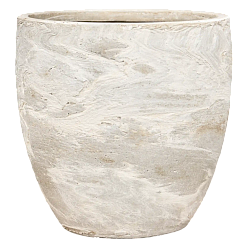
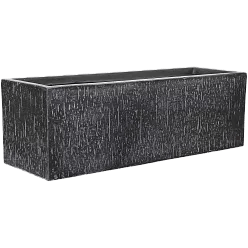
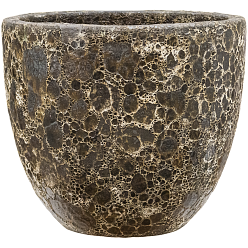
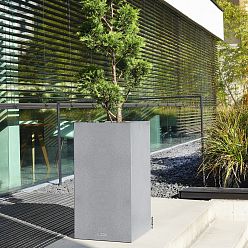
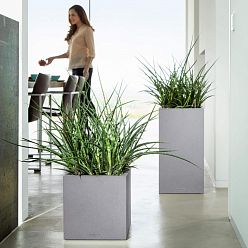
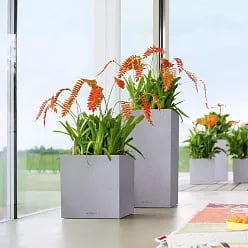
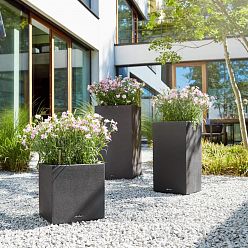
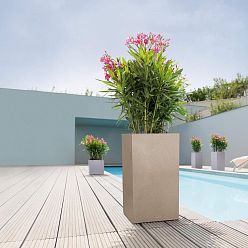
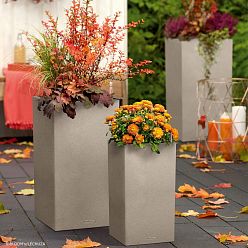
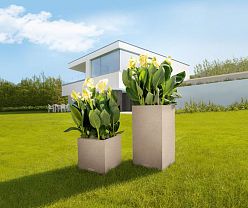
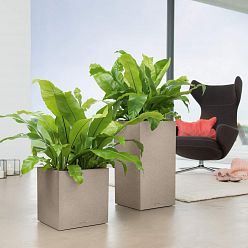
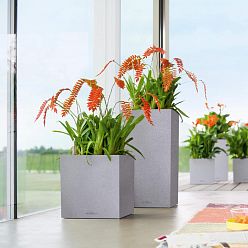
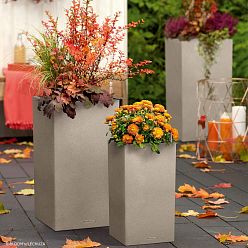
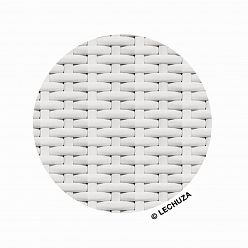
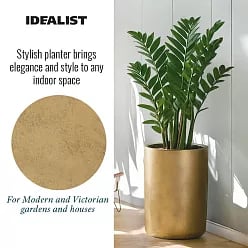
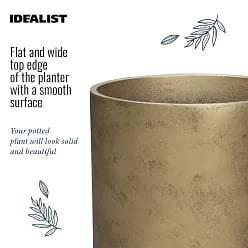
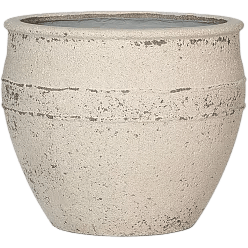
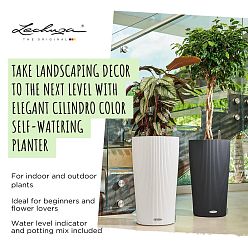
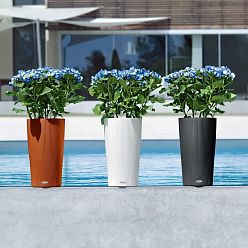
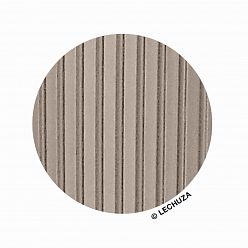
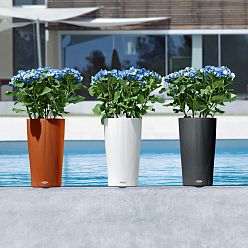
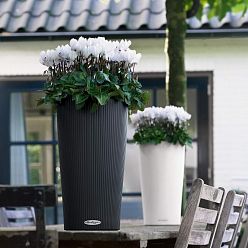
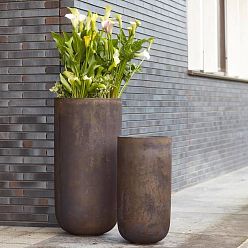
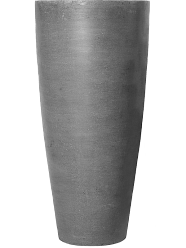
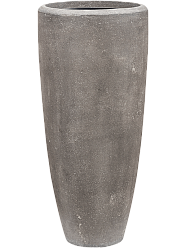
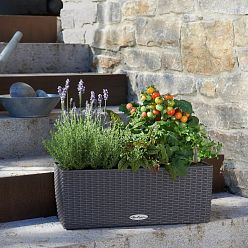
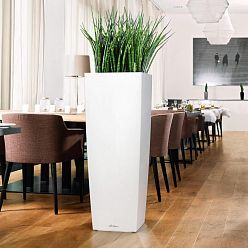
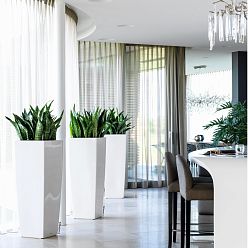
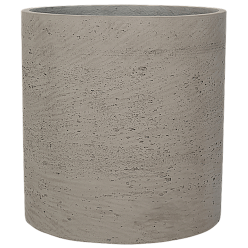
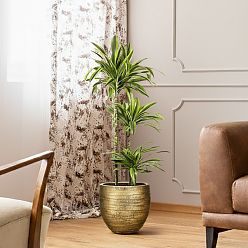
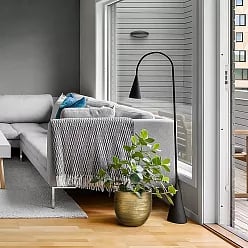
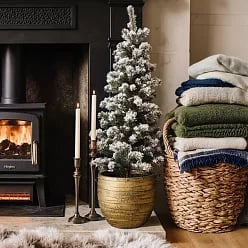
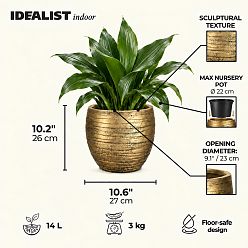
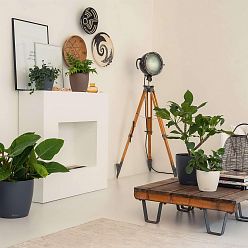
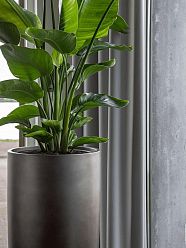
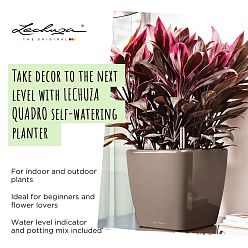
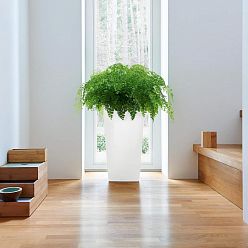
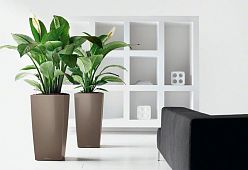
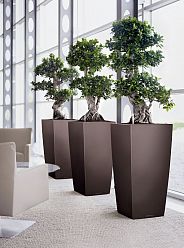
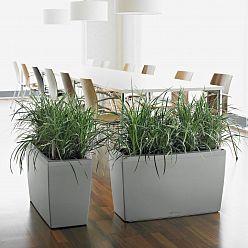
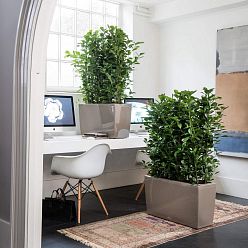
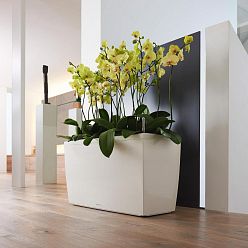
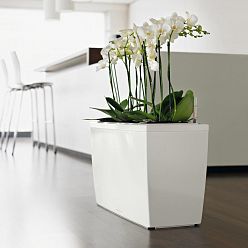
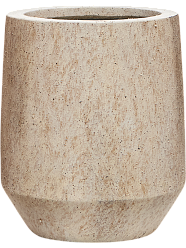
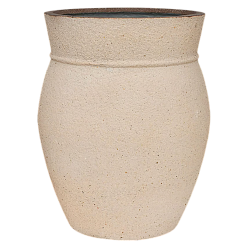
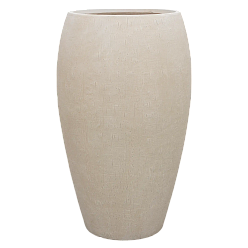
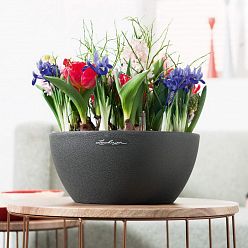
A planter that's right for the plant but wrong for the room is a compromise that tends to bother you every time you look at it. The most reliable approach is to treat the planter as part of the room's palette rather than an afterthought. Neutral finishes — light concrete effects, washed stone, smooth matte, terrazzo — integrate most easily across different interior styles and hold up better as rooms evolve around them. If you're grouping several indoor planters in the same space, choosing a consistent finish across all of them creates a more considered result than mixing unrelated materials and tones. For a single statement piece — a large floor planter in a corner or beside a sofa — the pot can afford to be more distinctive, since it isn't competing with anything else.
Indoor Planters by Placement
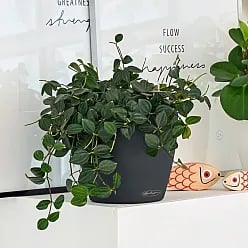
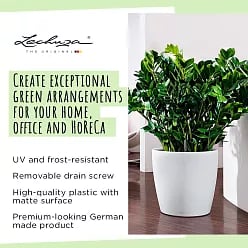
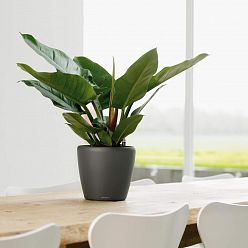
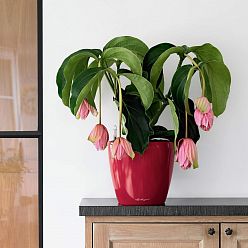
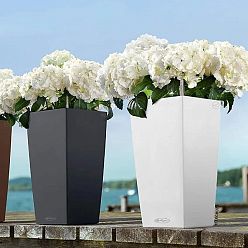
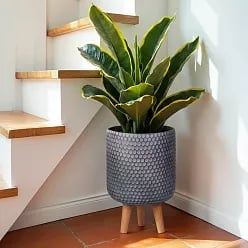
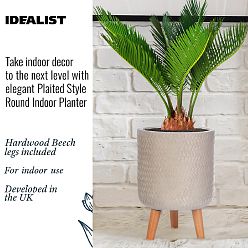
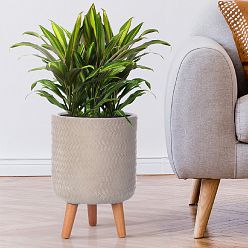
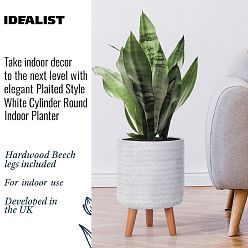
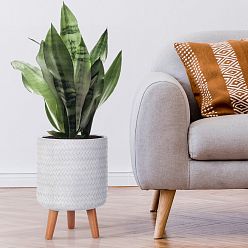
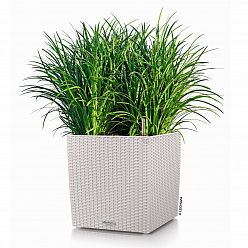
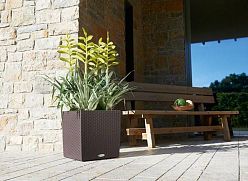
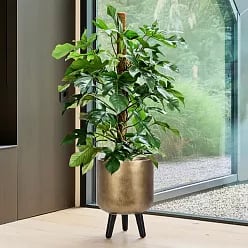
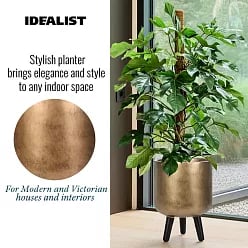
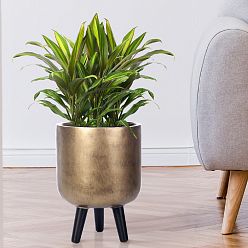
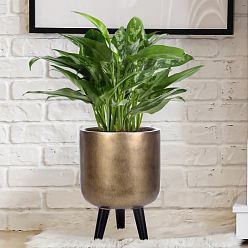
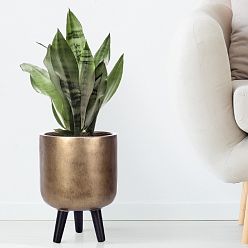
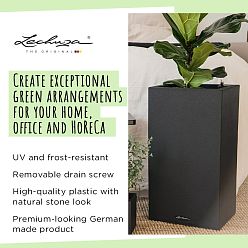
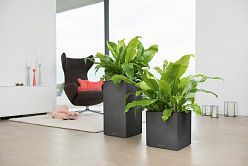
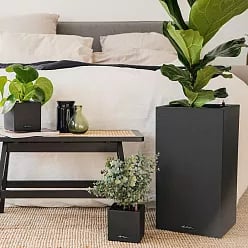
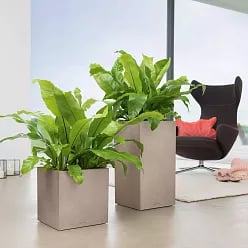
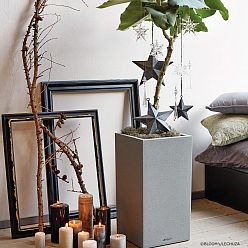
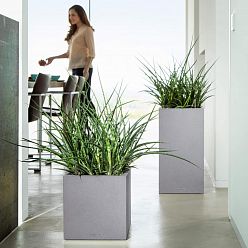
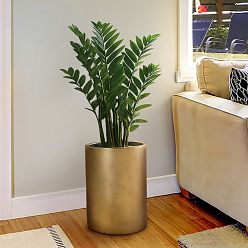
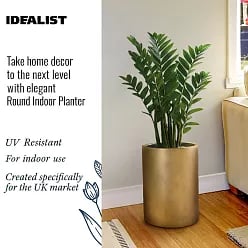
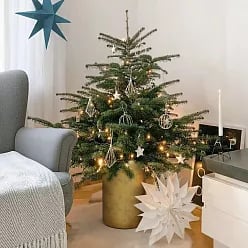
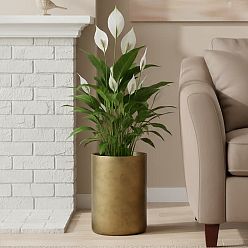
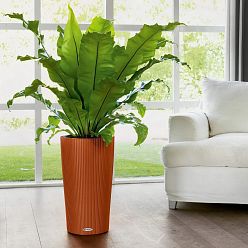
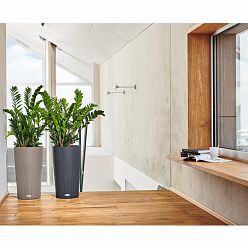
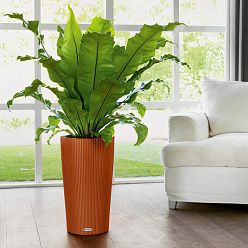
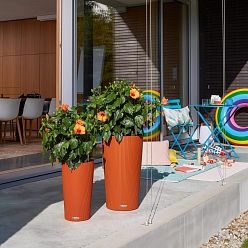
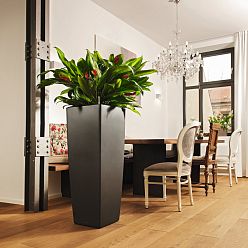
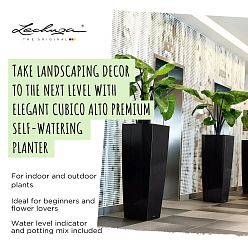
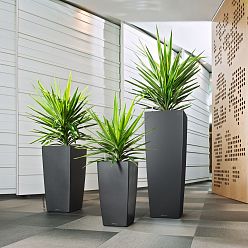
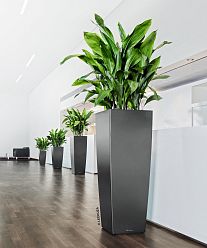
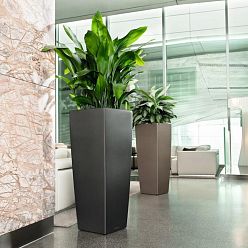
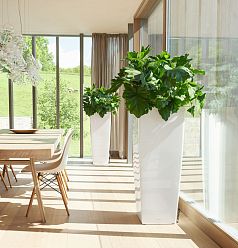
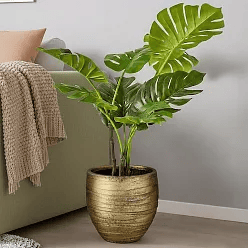
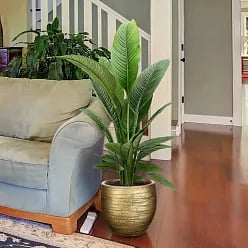
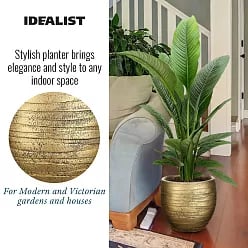
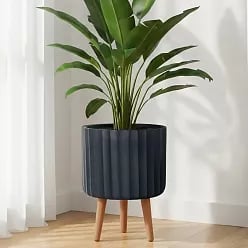
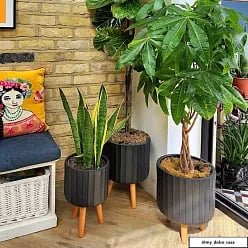
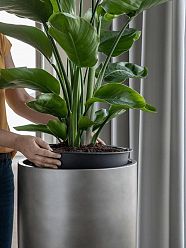
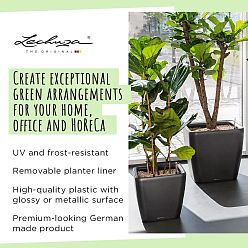
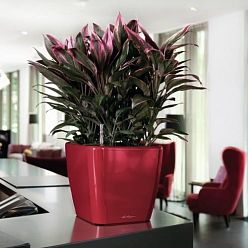
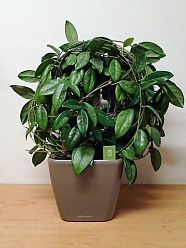
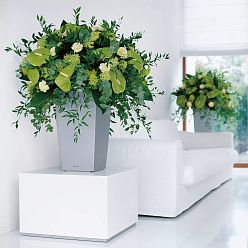
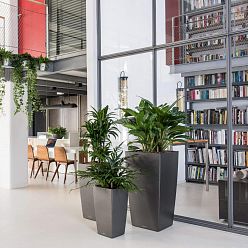
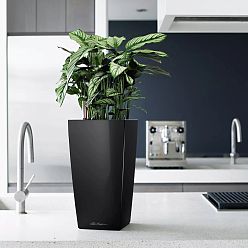
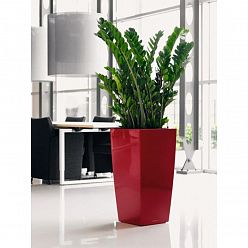
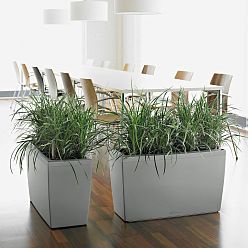
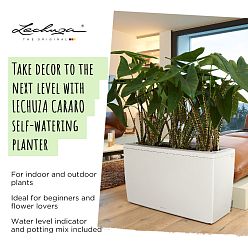
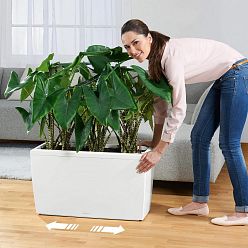
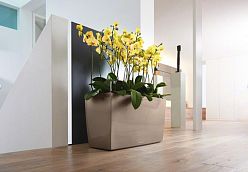
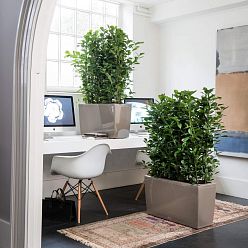
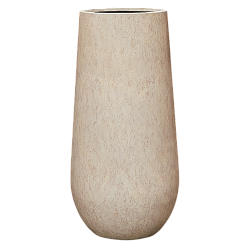
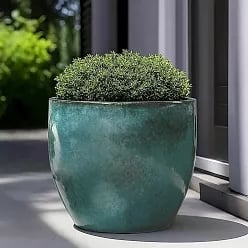
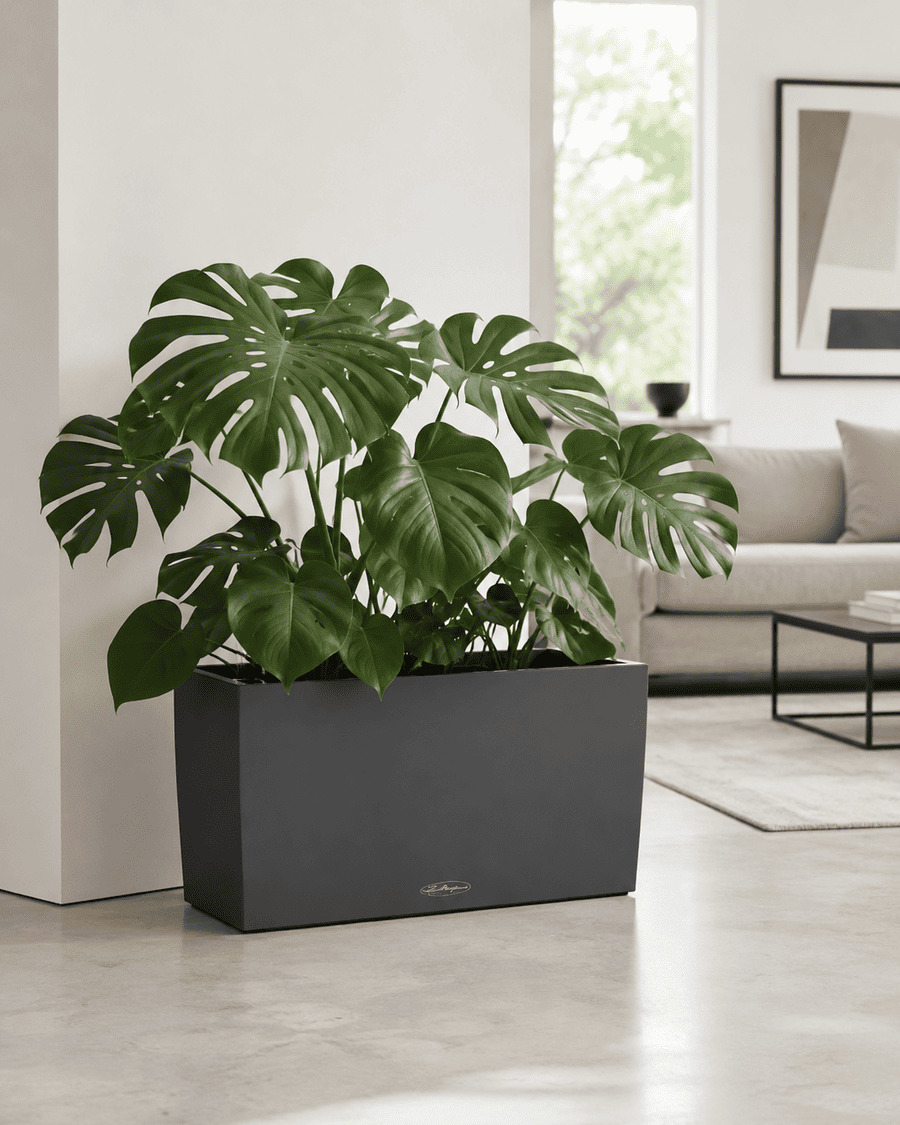
Where a planter sits in a room shapes what it needs to do. A floor planter in a corner — planted with a fiddle leaf fig, a large monstera or a snake plant — anchors the room and adds genuine vertical presence; at this scale, the pot itself contributes as much to the look as the plant.
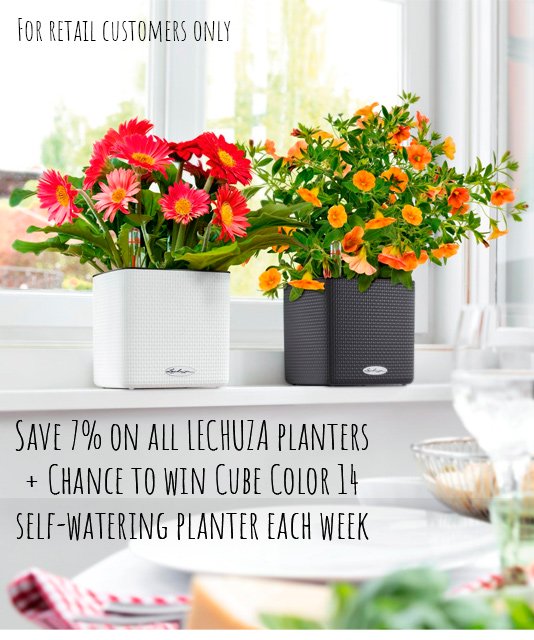
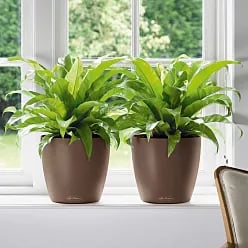
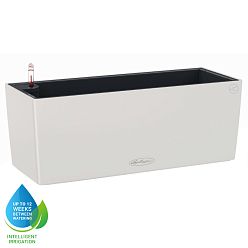
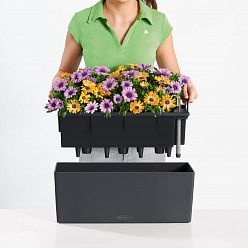
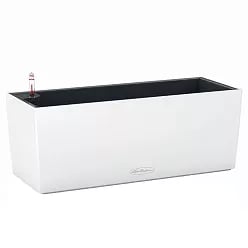
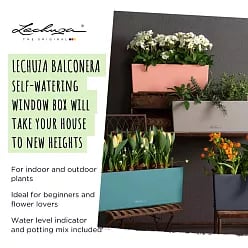
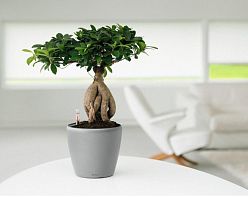
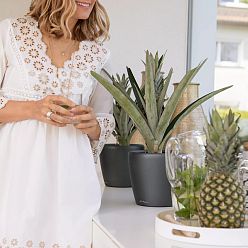
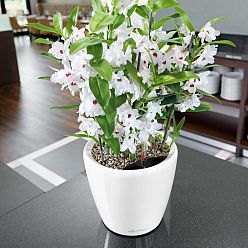
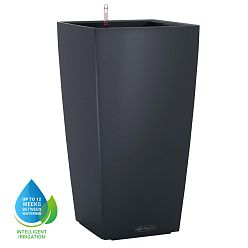
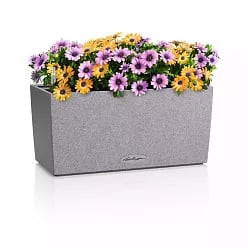
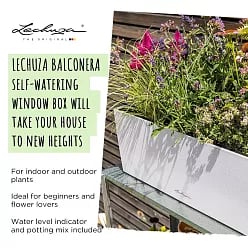
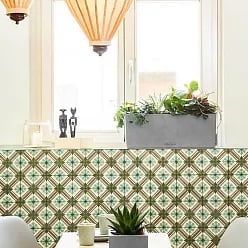
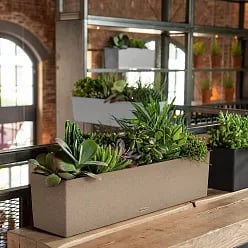
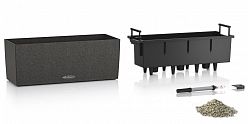
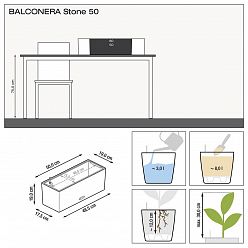
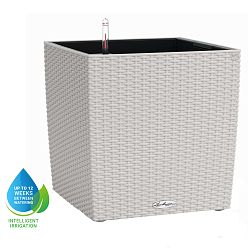
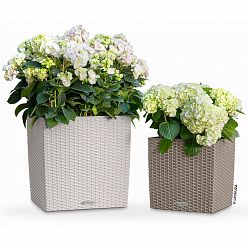
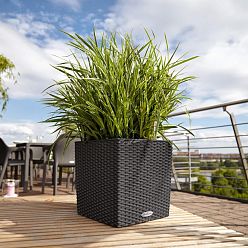
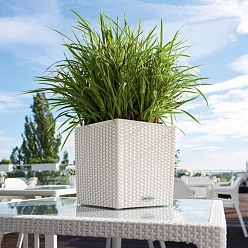
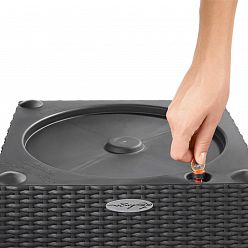
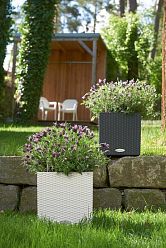
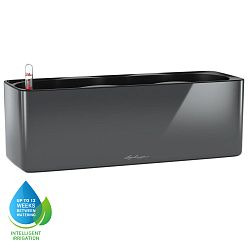
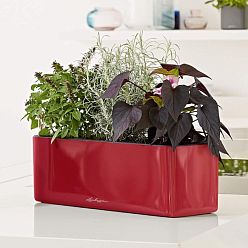
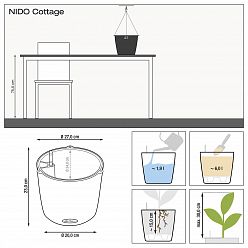
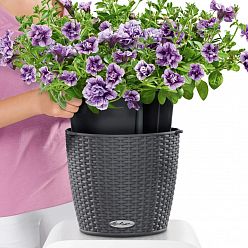
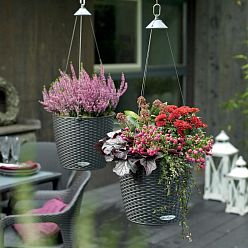
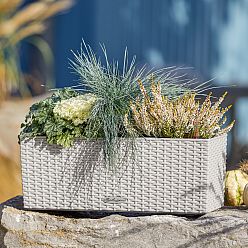
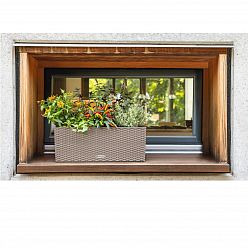
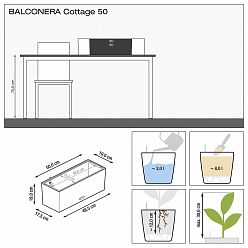
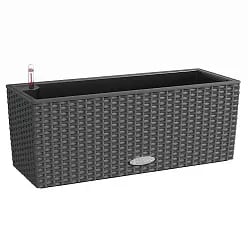
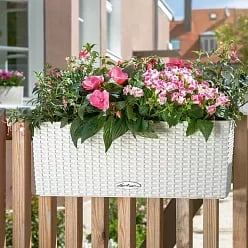
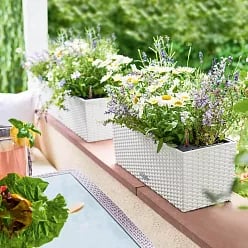
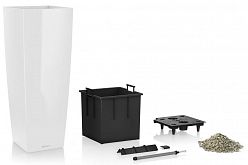
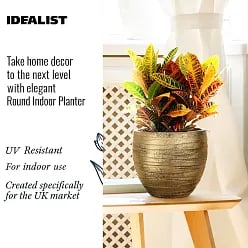
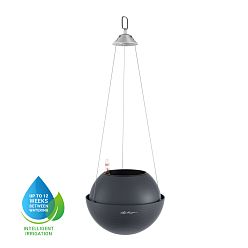
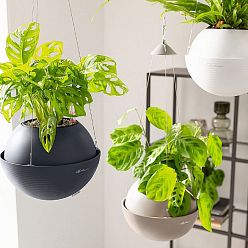
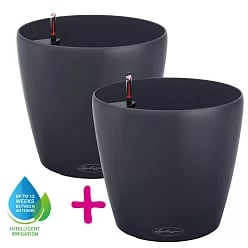
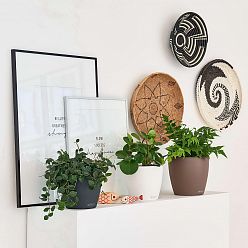
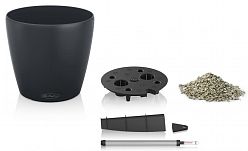
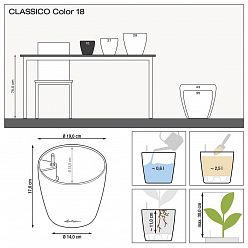
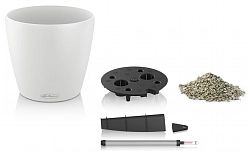
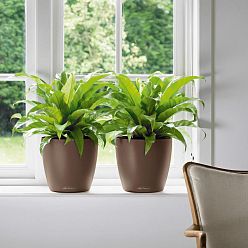
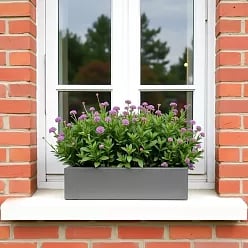
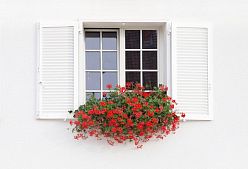
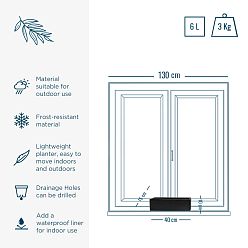
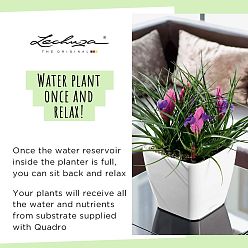
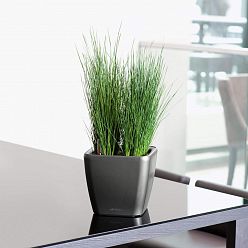
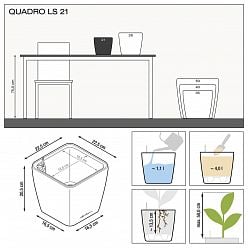
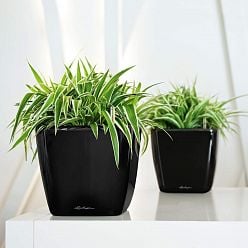
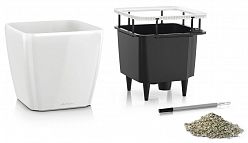
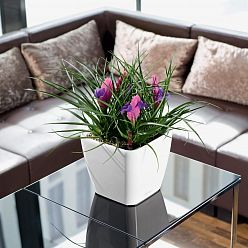
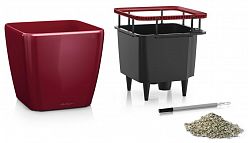
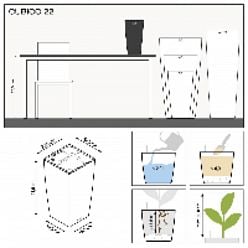
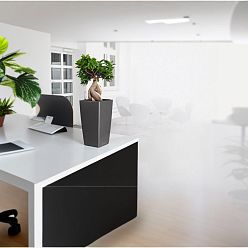
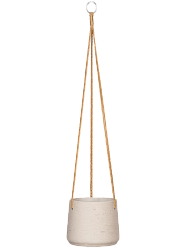
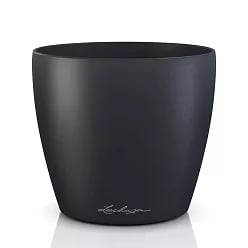
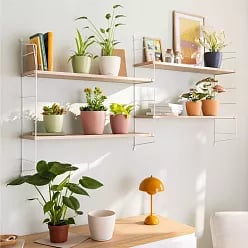
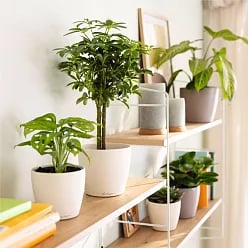
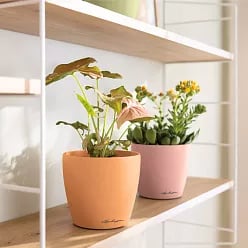
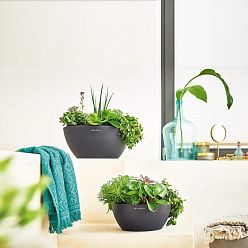
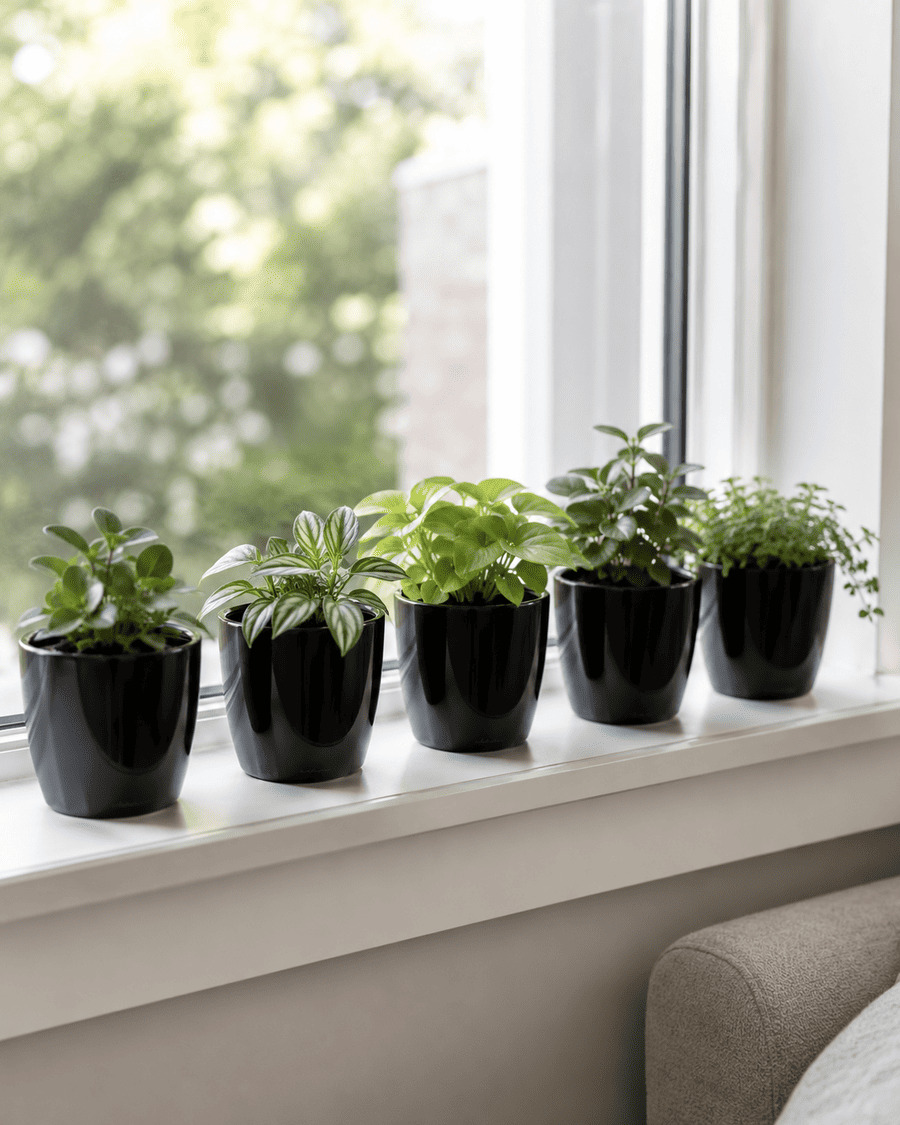
A windowsill or shelf planter works differently: here, proportion and finish matter more than presence, and a cluster of smaller planters in complementary tones tends to work better than a single large piece. For a desk or side table, a compact self-watering indoor planter is the most practical choice — it keeps the plant healthy without the risk of water marking the surface beneath it.
Why Getpotted?
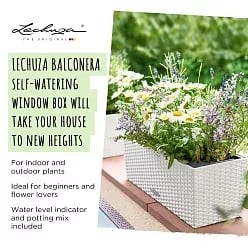
Indoor planters are bought on trust — you can't see the finish in person, check the weight or judge the drainage before it arrives. At Getpotted, we take that seriously. Product descriptions are written by people who handle the stock daily, photography is consistent and accurate, and our customer service team in Dunstable answers the phone — no chatbots, no ticket queues. If something arrives that isn't right, our returns and replacements process is handled directly by us. As the official UK distributor for LECHUZA, we stock one of the most trusted self-watering indoor planter ranges available anywhere. With a 4.7-star rating on Trustpilot from over 2,700 verified customers, many of whom are repeat buyers, that trust is well-founded.

FAQ — Indoor Planters
Do indoor planters need a drainage hole?
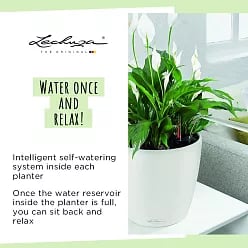
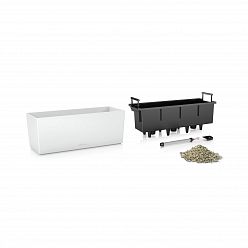
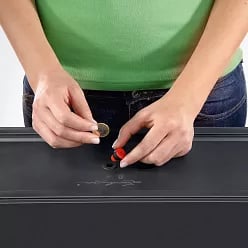
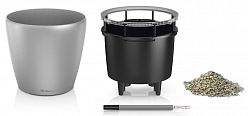
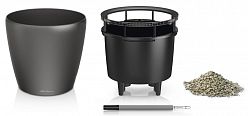
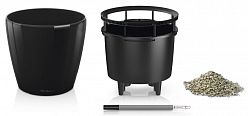
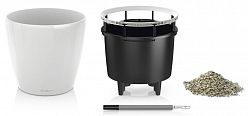
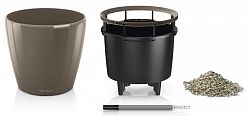
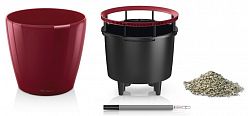
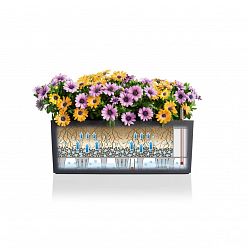
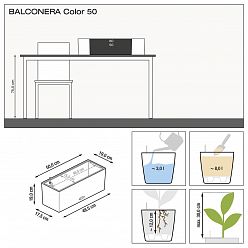
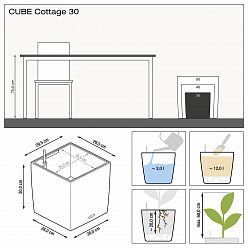
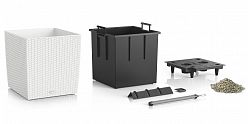
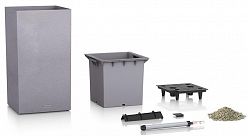
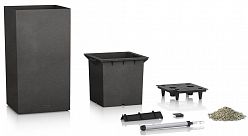
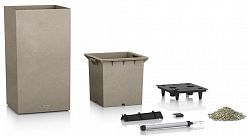
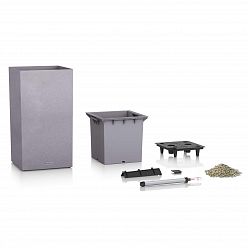
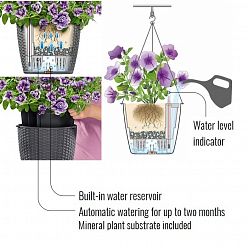
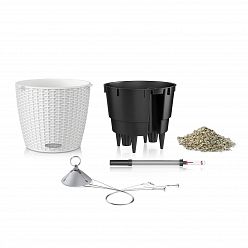
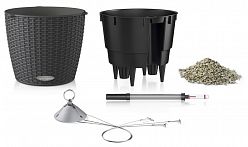
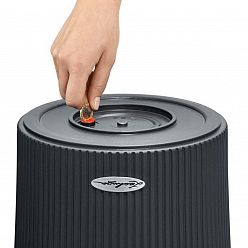
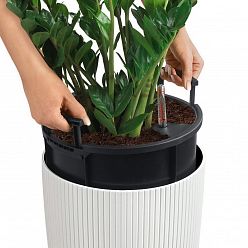
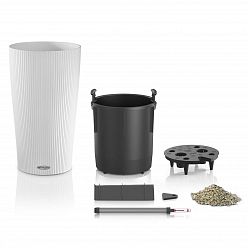
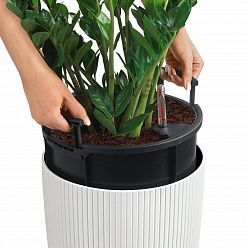
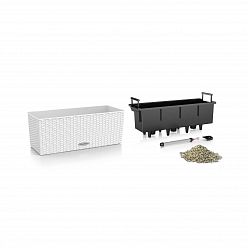
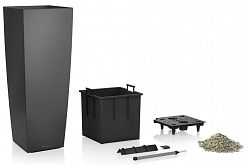
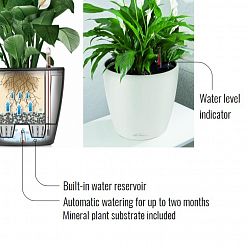
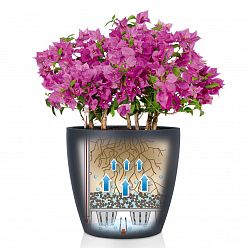
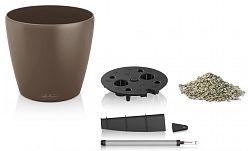
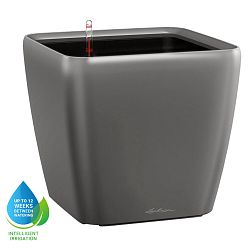
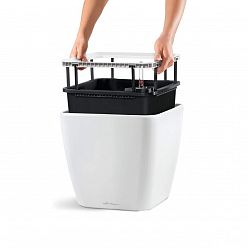
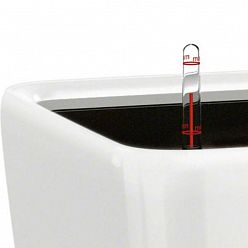
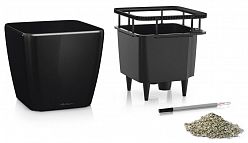
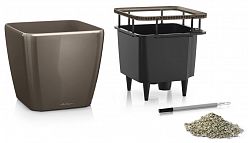
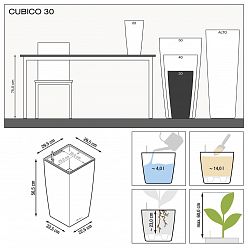
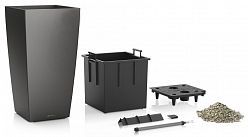
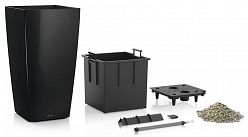
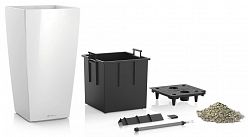
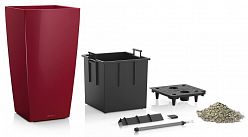
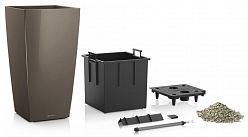
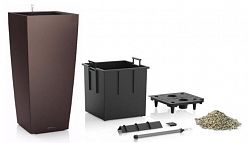
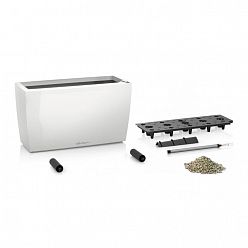
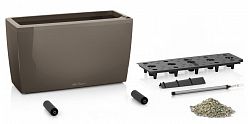
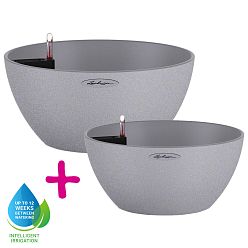
Most houseplants do best in pots with drainage holes, which allow excess water to escape and prevent root rot. If your planter has a drainage hole, use a saucer or drip tray underneath to protect your floor. The exception is self-watering planters with a closed-base reservoir — these manage moisture internally and don't require drainage or a saucer.
How do I know what size indoor planter to choose?
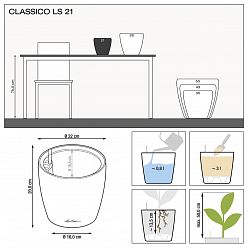
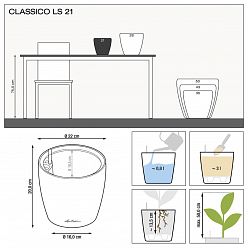
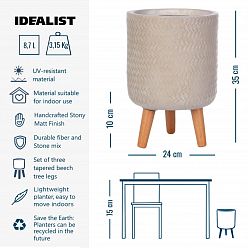
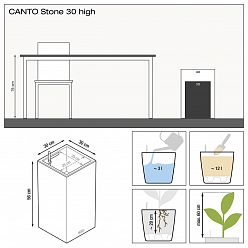
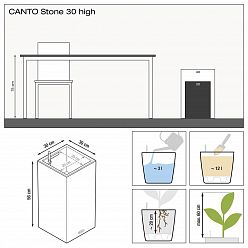
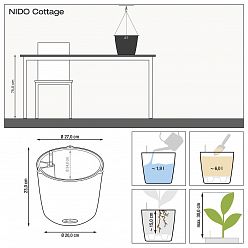
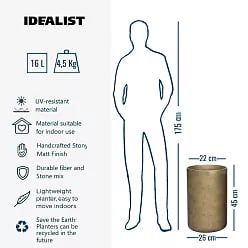
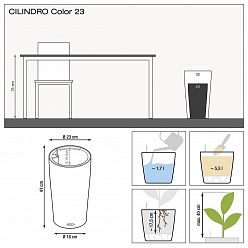
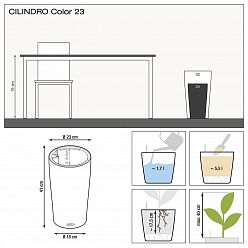
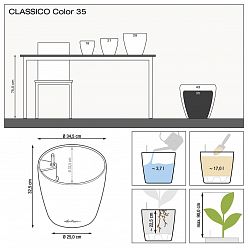
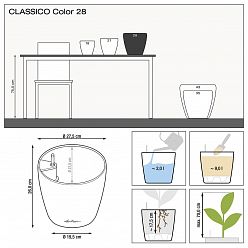
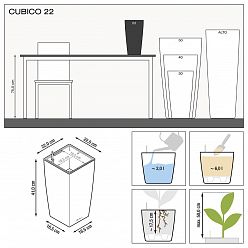
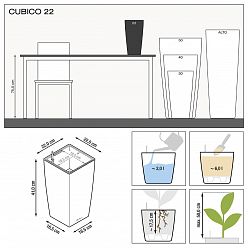
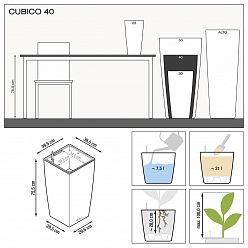
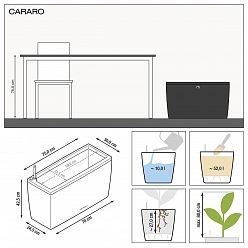
Choose a pot roughly 2 to 5 cm wider in diameter than the plant's current root ball. Too large a planter holds excess moisture and can lead to root rot before the plant establishes. When repotting, always move up one size at a time rather than jumping to a much larger container straight away.
Are self-watering indoor planters actually useful, or just a novelty?
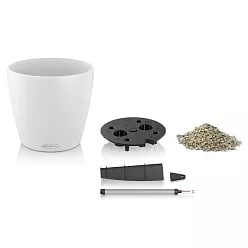
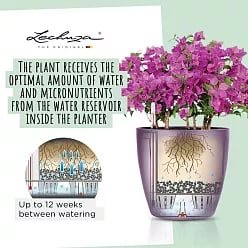
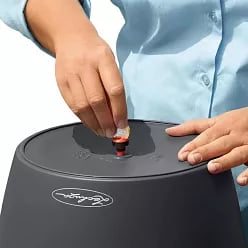
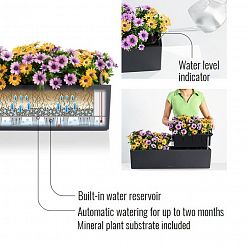
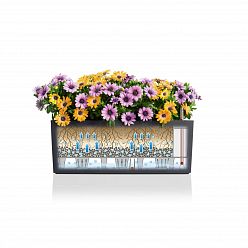
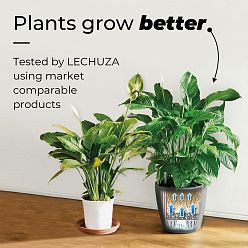
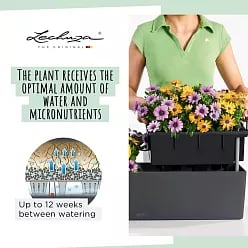
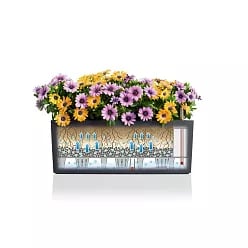
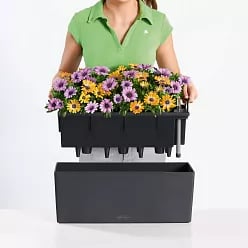
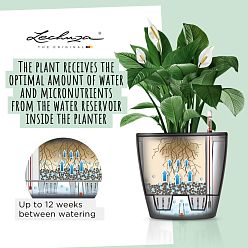
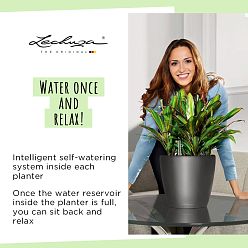
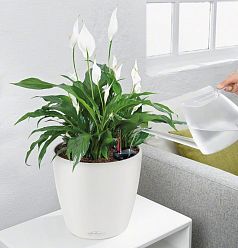
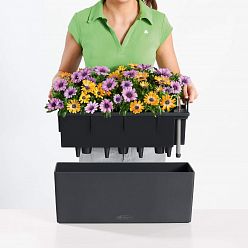
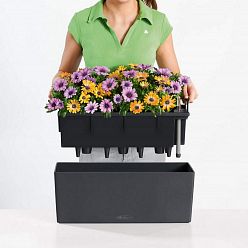
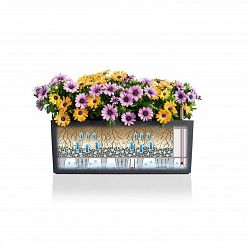
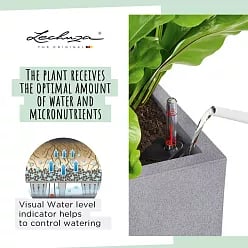
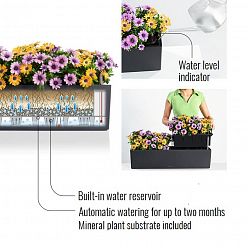
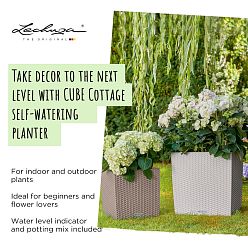
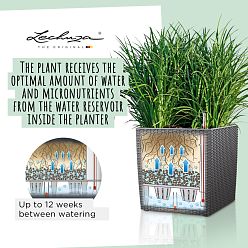
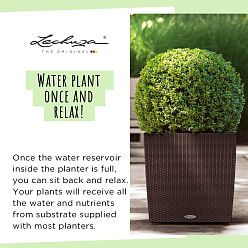
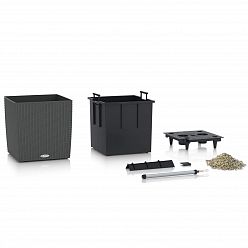
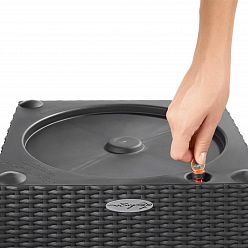
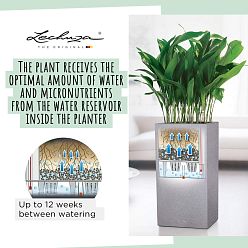
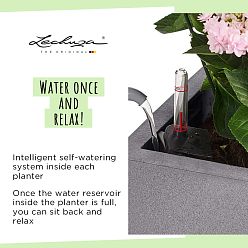
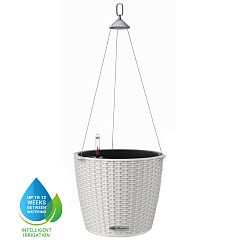
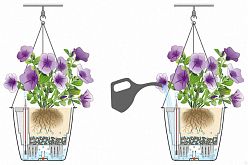
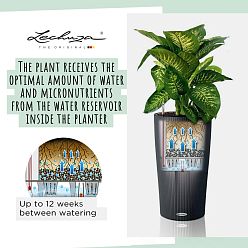
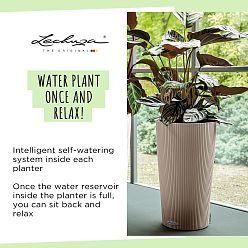
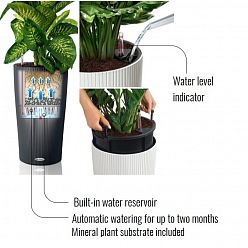
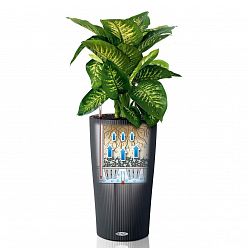
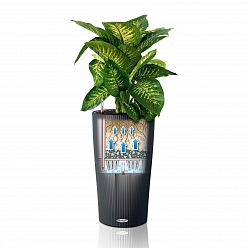
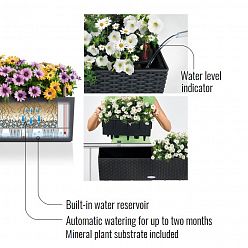
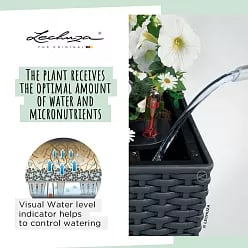
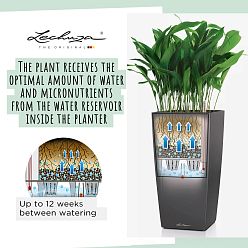
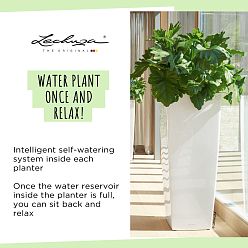
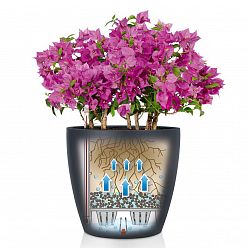
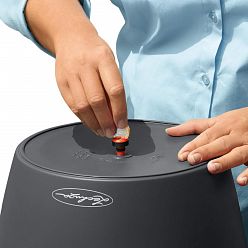
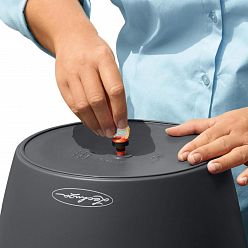
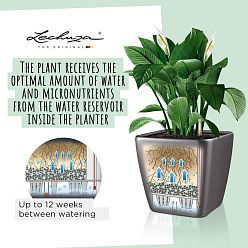
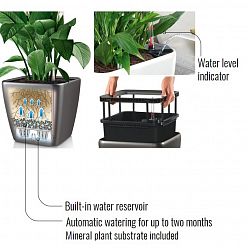
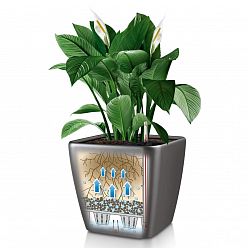
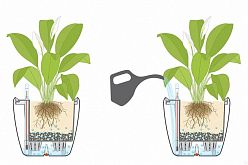
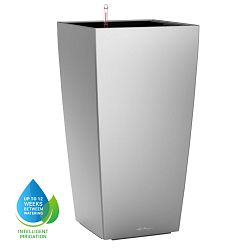
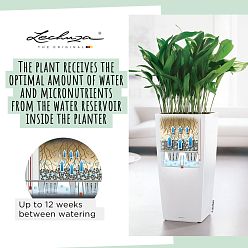
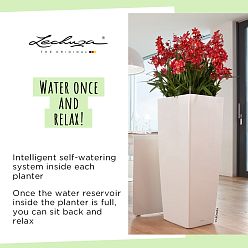
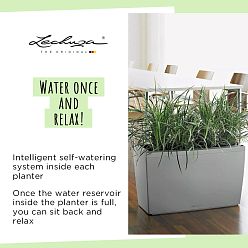
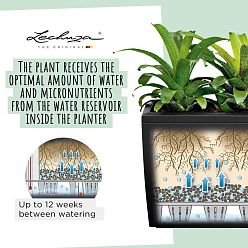
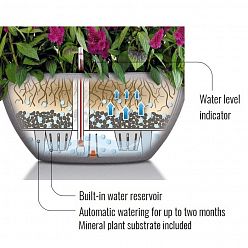
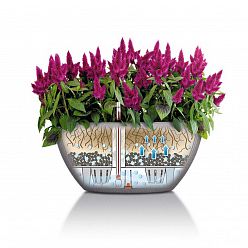
They're genuinely useful for most indoor plant owners. The reservoir system delivers moisture to the roots as needed, reducing both overwatering and underwatering — the two most common causes of houseplant failure. They're particularly valuable in offices, for frequent travellers or anyone who finds it difficult to maintain a regular watering routine.
What indoor planter materials are best for hard floors?
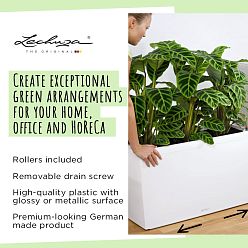
Any indoor planter can work on hard floors with the right preparation. Use felt pads or a rubber mat under the pot to prevent scratching and surface damage. For pots with drainage holes, a well-fitting saucer is essential. LECHUZA self-watering planters with closed-base reservoirs are the most floor-friendly option — no drainage, no saucer required.
Can indoor planters also be used outdoors?
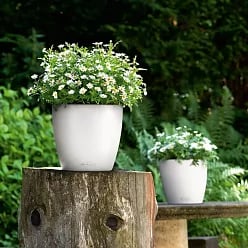
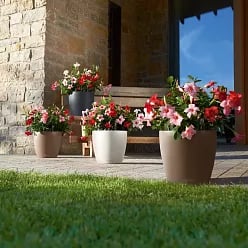
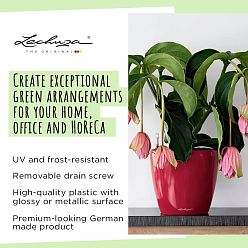
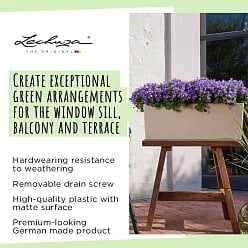
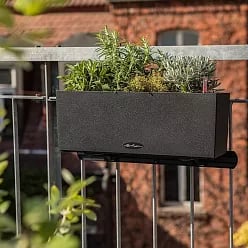
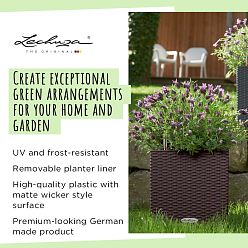
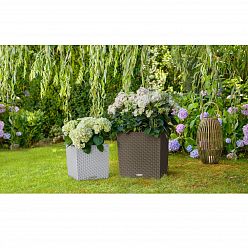
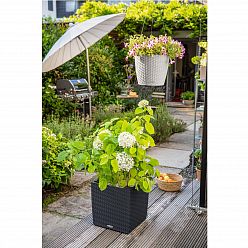
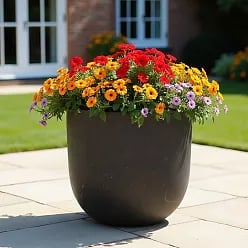
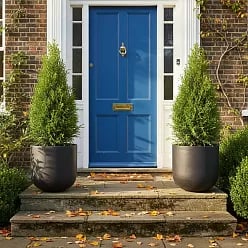
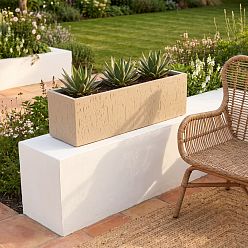
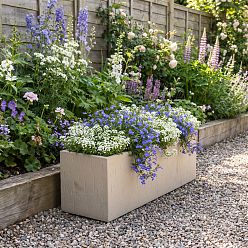
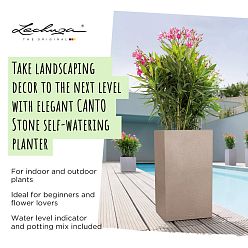
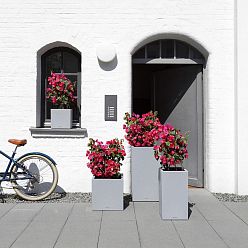
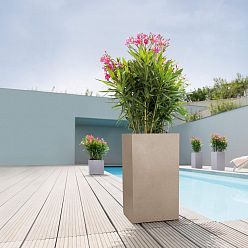
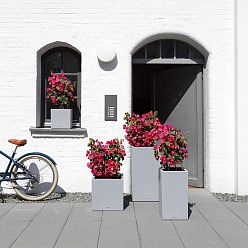
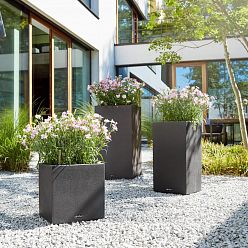
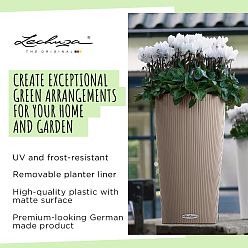
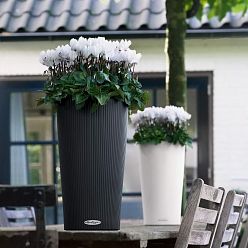
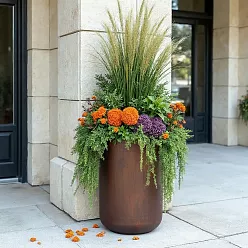
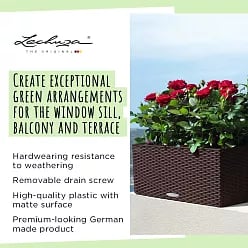
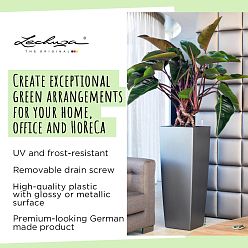
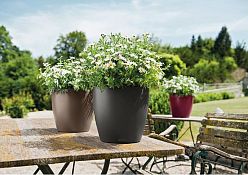
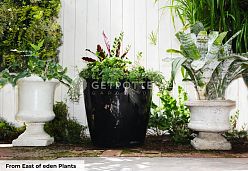
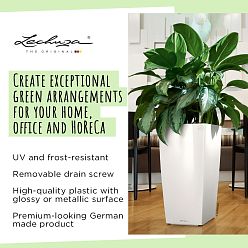
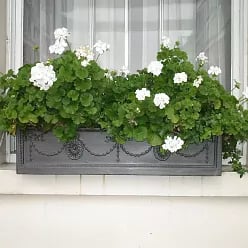
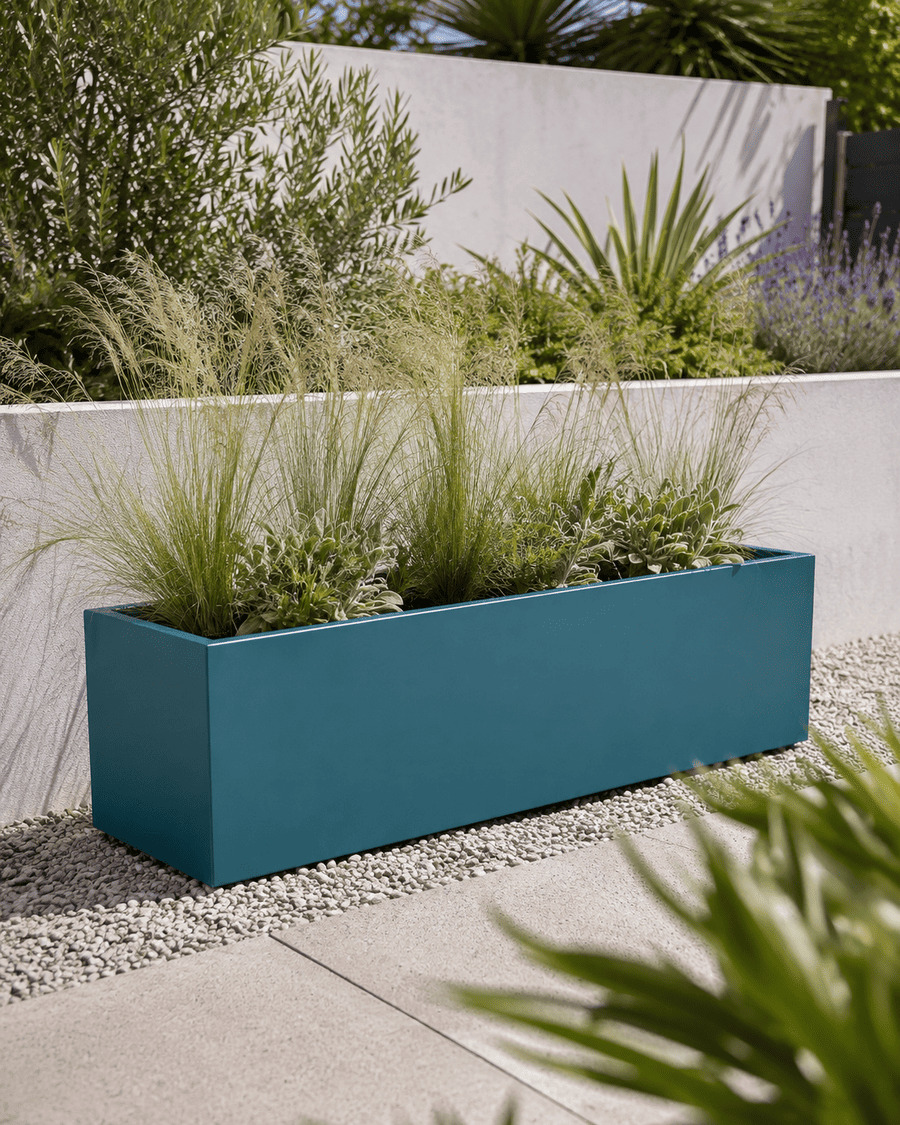
Many planters at Getpotted are rated for both indoor and outdoor use, but always check the individual product page. For year-round outdoor use in the UK, frost resistance and UV stability matter — not all indoor planters carry these ratings. If you want flexibility to move a planter between settings across seasons, look for products explicitly listed as suitable for both.
How do I clean an indoor planter between plantings?
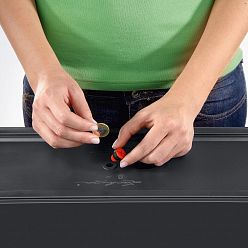
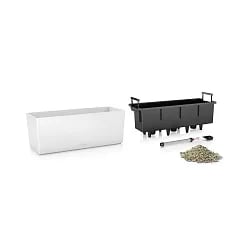
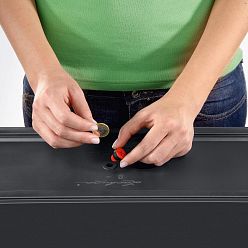
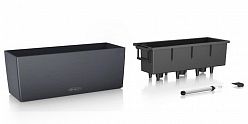
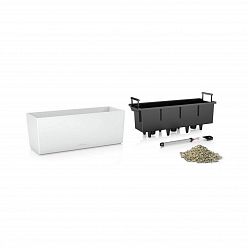
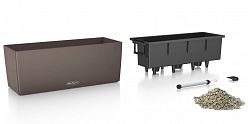
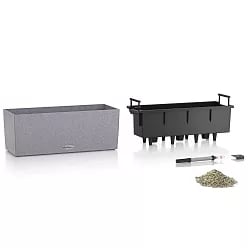
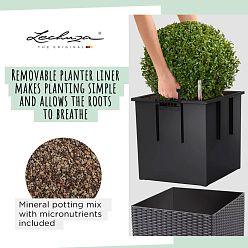
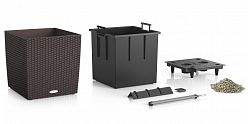
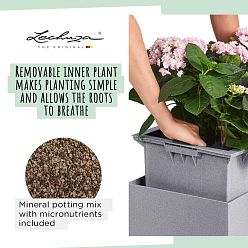
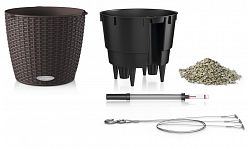
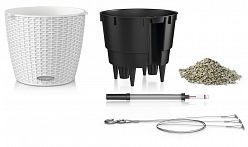
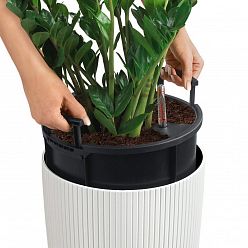
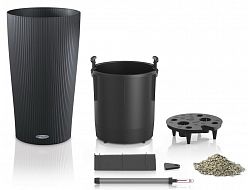
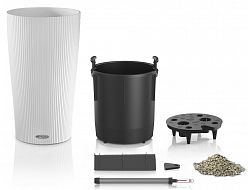
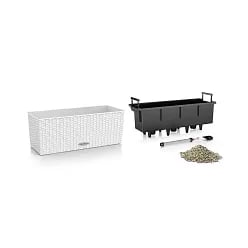
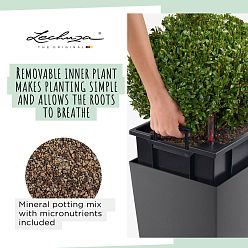
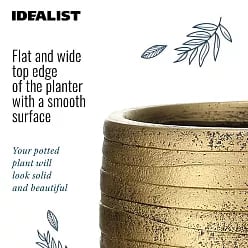
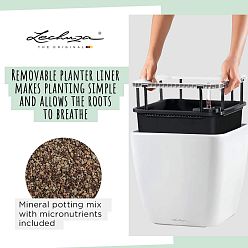
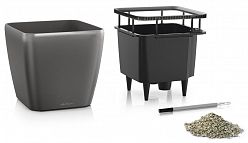
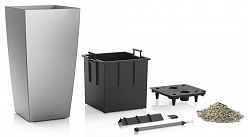
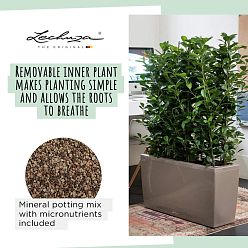
Wipe the interior with a damp cloth to remove loose compost and residue. For a more thorough clean, mild soapy water and a soft brush works well — rinse thoroughly and allow to dry fully before replanting. Avoid abrasive cleaners on matte or textured finishes, which can dull the surface. For LECHUZA self-watering planters, the reservoir and wick system can be rinsed with clean water before reuse.