

How to Choose a Blue Planter
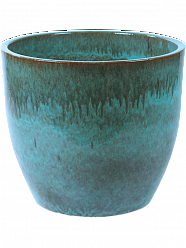
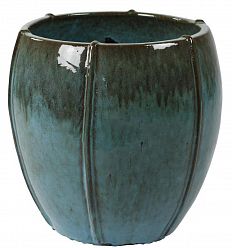
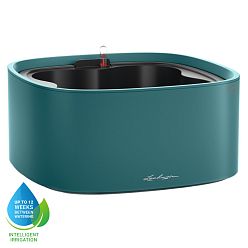
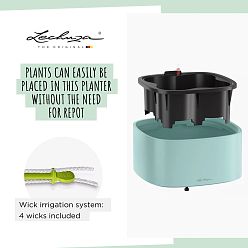
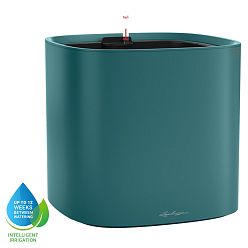
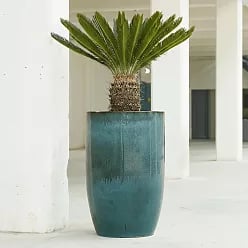
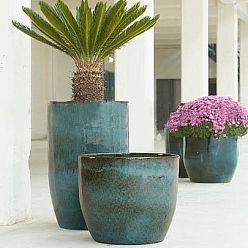
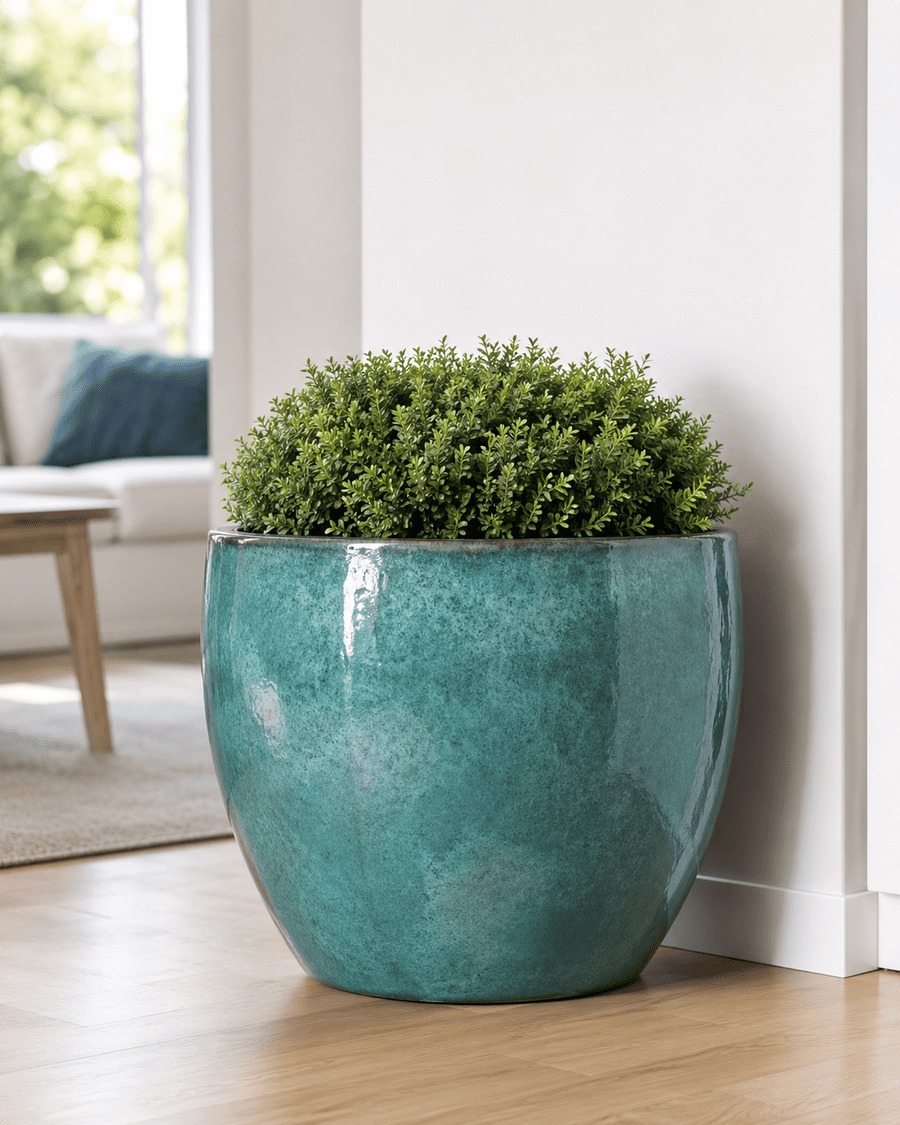
Blue is one of the most striking and underused colours in garden and interior planting. It reads very differently depending on shade — deep cobalt anchors a space with confidence; soft teal and turquoise feel fresh and Mediterranean; muted blue-grey sits quietly alongside neutrals without competing. Deciding which end of that spectrum suits your setting is the most useful starting point before browsing the range.
Making Blue Work with Your Planting
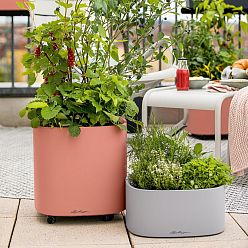
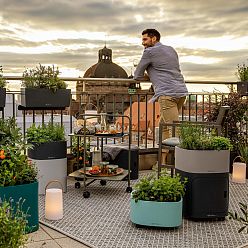
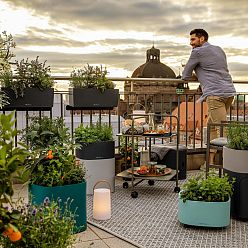
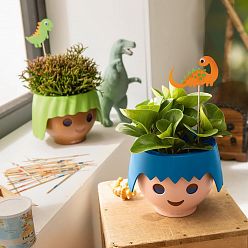
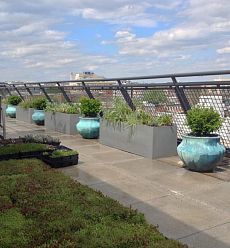
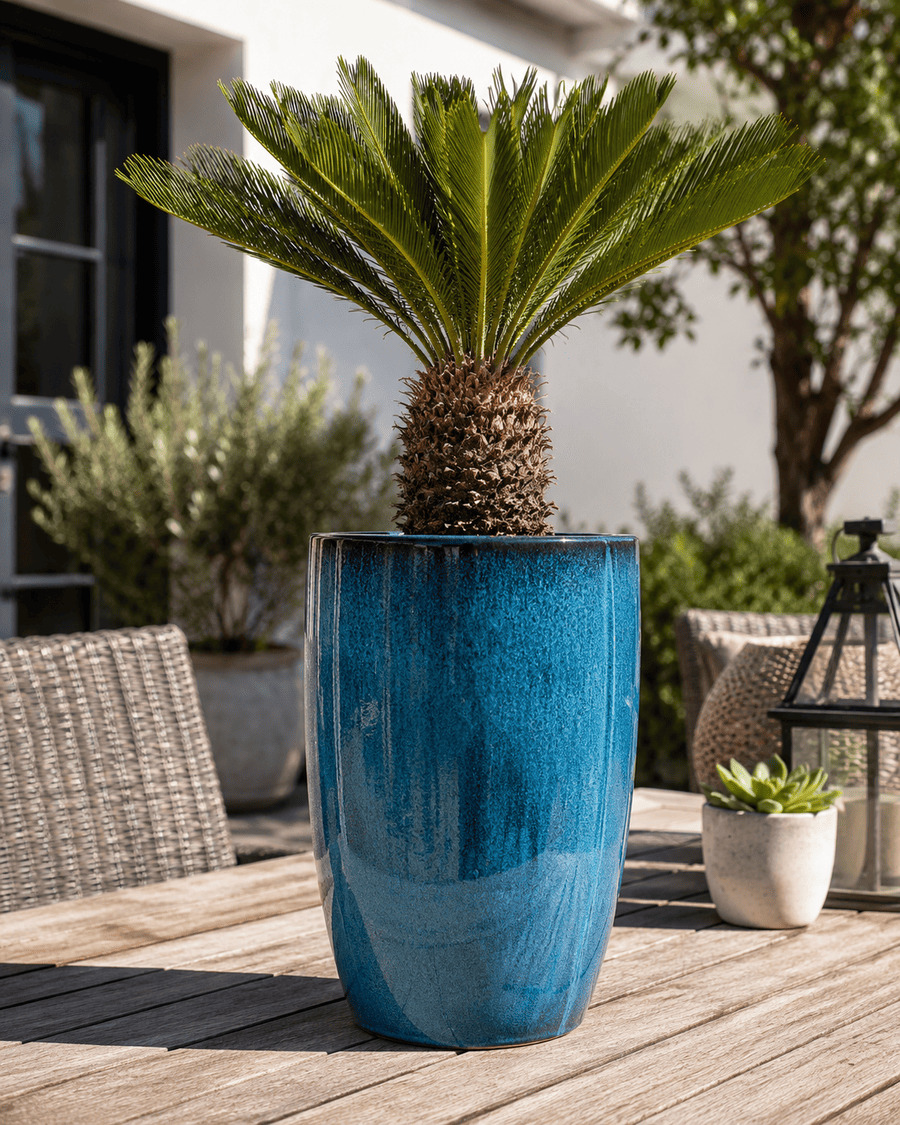
The colour on the outside of a pot actively shapes how the planting inside is perceived, and blue is particularly responsive to this. Deep cobalt and navy blue pots intensify warm-toned flowers — orange, amber, red and yellow — creating a sharp, high-contrast pairing that works well in contemporary gardens and on sun-facing terraces.
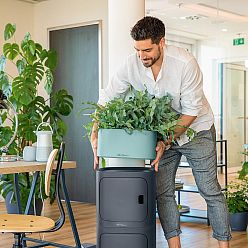
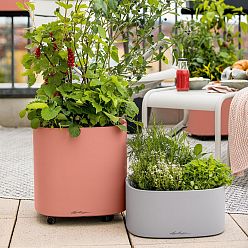
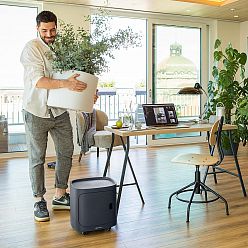
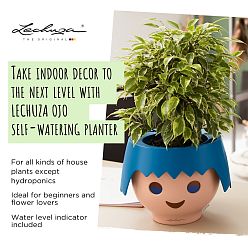
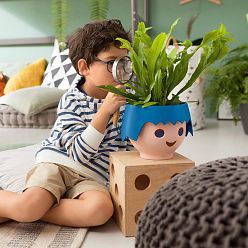
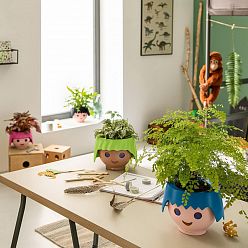
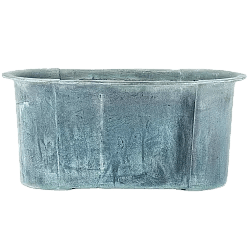
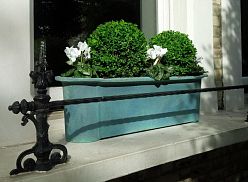
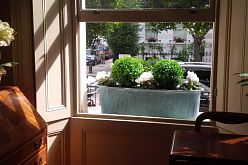
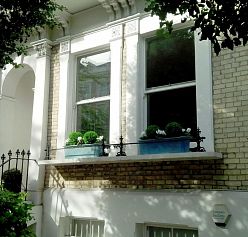
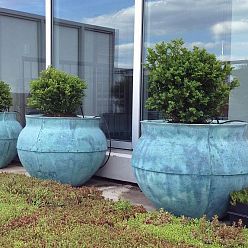
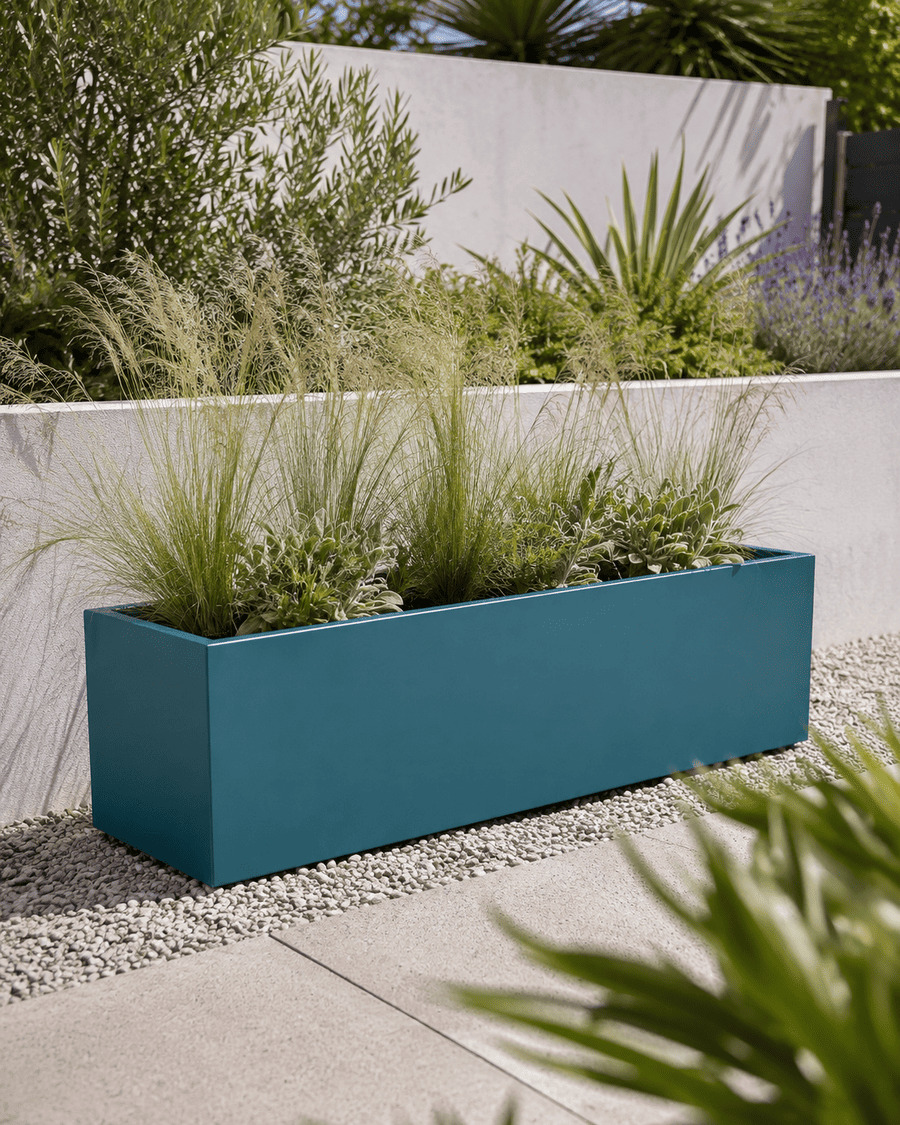
Soft blues and teals complement white flowers, silver-leaved plants and Mediterranean herbs, reinforcing the cool, airy quality of the colour without overpowering it. Indoors, lush green foliage plants — monstera, ferns, trailing pothos — contrast cleanly against almost any shade of blue and let the pot's colour do the decorative work.
Blue Planters as a Focal Point
Why Getpotted?
Colour is one of the hardest things to judge from a screen, and a blue planter that arrives looking different from the product image is a frustrating experience. At Getpotted, product photography is handled carefully and descriptions are written by people who handle the stock directly — what you see is what you get. Our customer service team in Dunstable is available by phone, not a chatbot, if you want to ask about a specific shade before ordering. With a 4.7-star rating on Trustpilot from over 2,700 verified customers — many of whom specifically mention how well products are described and packaged — you can buy with confidence that your blue planter will arrive exactly as expected.

Why Getpotted?
Will a blue planter fade outdoors over time?
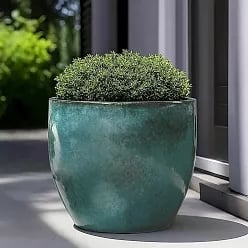
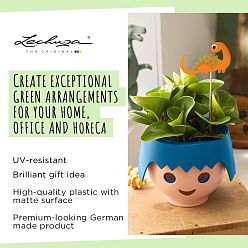
It depends on the material and finish. Glazed ceramic blue planters are highly colour-stable but should be checked for frost resistance before leaving outdoors year-round in the UK. Fiberglass blue planters with UV-stabilised finishes retain their colour well across seasons. Avoid unglazed or painted finishes for exposed positions — these fade more quickly. UV resistance is noted on each individual product page.
Which plants look best in a blue planter?
Warm-toned flowers — orange marigolds, red geraniums, yellow rudbeckia — create a striking contrast with deep cobalt or navy blue. Soft blue and teal planters suit white flowers, silver-leaved plants and Mediterranean herbs. Indoors, most green foliage plants complement blue tones naturally — monstera, ferns and trailing pothos all work well against virtually any shade of blue.
Can blue planters be used indoors, and do they suit modern interiors?
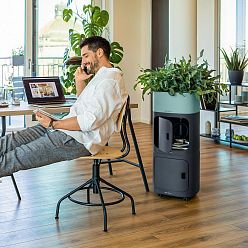
Yes — blue planters work very well indoors. Vivid cobalt and turquoise glazed ceramics make an immediate impact against white or pale neutral walls. Muted blue-grey tones sit quietly within Scandi, coastal and contemporary schemes without dominating. For indoor use, check whether a drainage hole is present and whether a saucer is needed to protect floors.
Are glazed ceramic blue planters frost-proof?
Not all ceramic planters are frost-proof — this varies by product. Glazed ceramics can be vulnerable to cracking in freeze-thaw cycles if water penetrates the base or rim. Always check the frost resistance rating on the product page before placing a glazed ceramic blue planter outdoors for winter. For reliably frost-safe outdoor blue planters, fiberglass options are the more robust choice.
How do I choose between a bold blue and a muted blue-grey?
Bold blues — cobalt, turquoise, electric — work best as a deliberate statement: a single eye-catching piece against a neutral backdrop indoors, or a vivid accent in a planted outdoor arrangement. Muted blue-greys integrate more easily into existing schemes and are more forgiving in UK outdoor light, which can dull saturated colours on overcast days. If you're unsure, a blue-grey is the safer starting point.
Can I order a blue planter if I'm unsure about the exact shade?
Yes — and if you're uncertain, our team in Dunstable is available by phone during business hours to talk through specific shades before you order. Product descriptions on each page include a detailed colour note, and photography is done against consistent backgrounds to give an accurate sense of tone. If a planter arrives and the colour isn't right, our returns process is handled directly by our own team.