

















How to Choose a Trough or Rectangular Planter
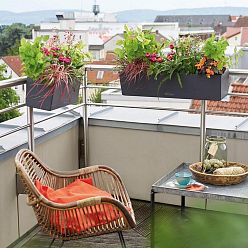
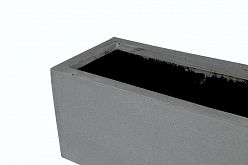
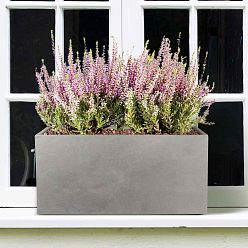
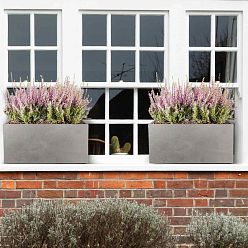
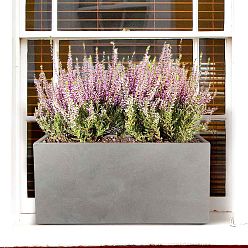
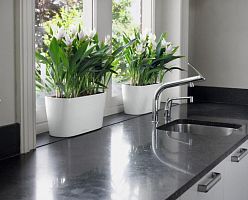
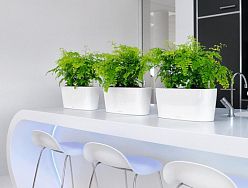
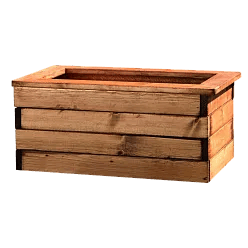
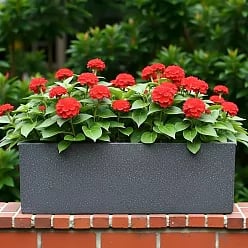
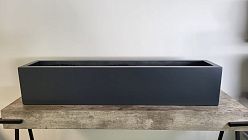
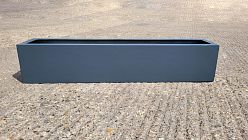
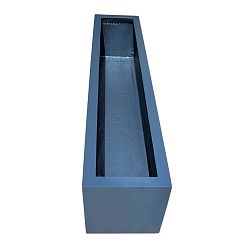
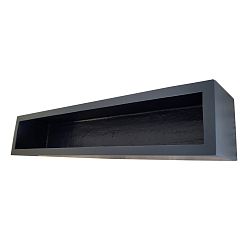
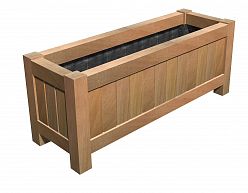
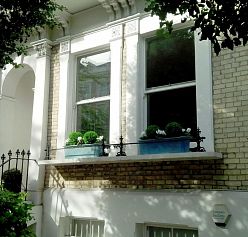
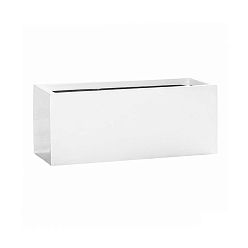
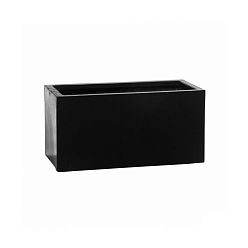
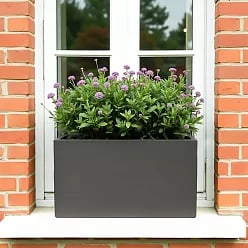
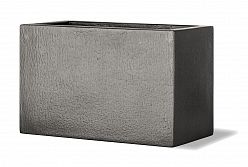
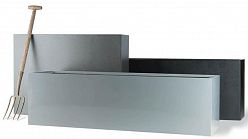
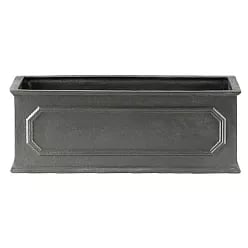
The trough and rectangular planter is one of the most spatially useful forms in the garden. Its linear shape works with built environments in a way that round and square pots rarely do — running along walls, edging pathways, creating planted boundaries and organising outdoor space without any permanent structure. Here's what to consider before buying.
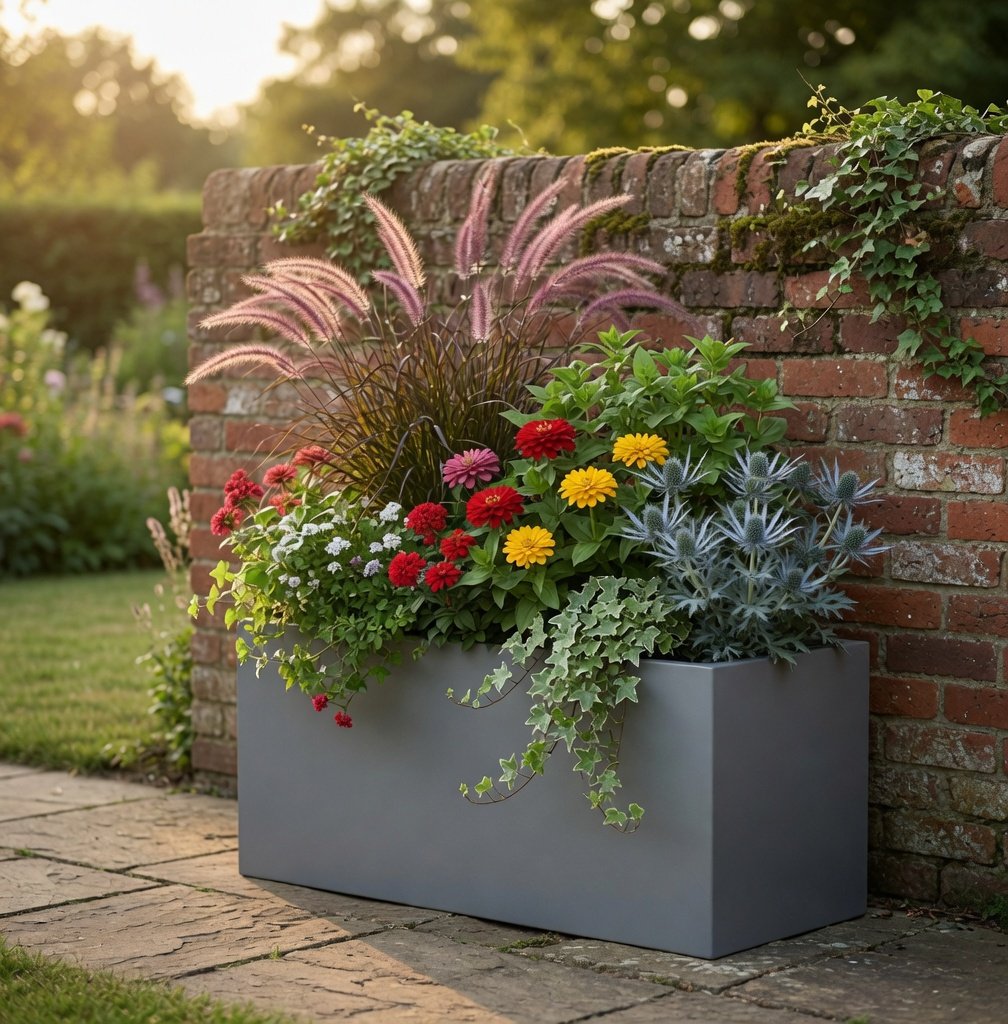
The Trough as a Design Tool
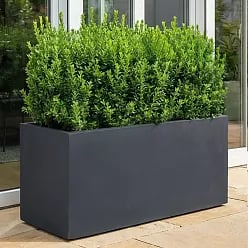
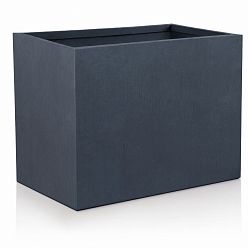
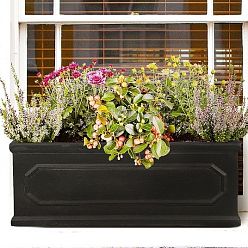
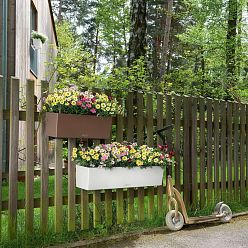
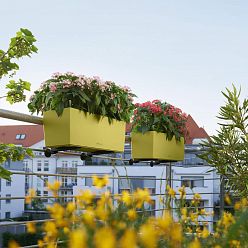
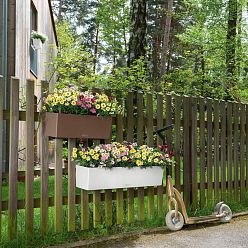
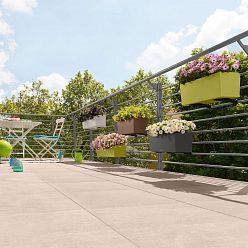
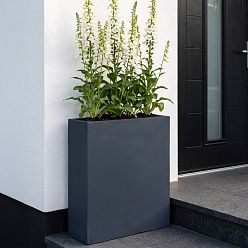
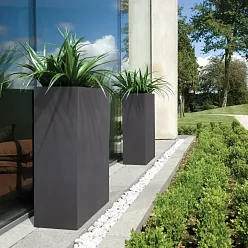
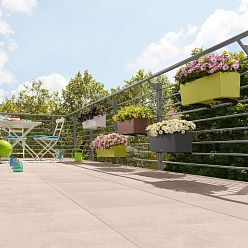
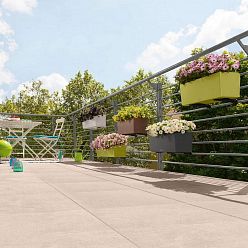
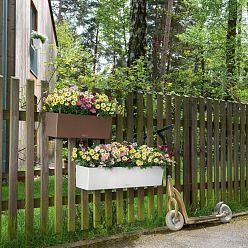
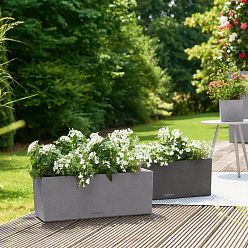
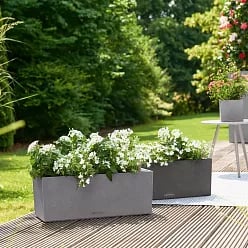
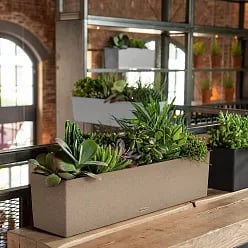
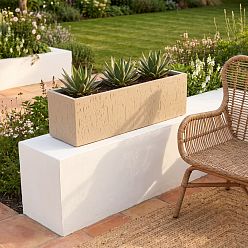
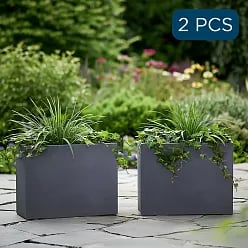
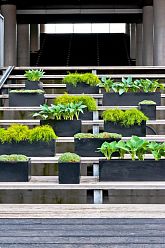
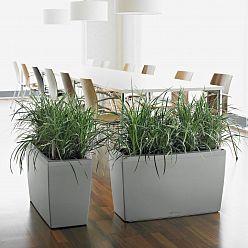
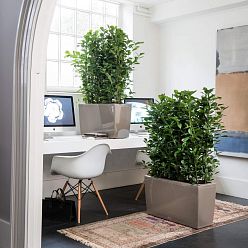
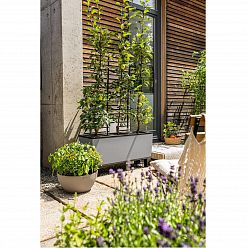
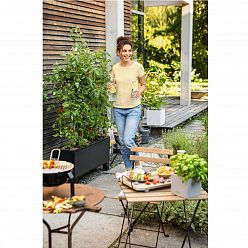
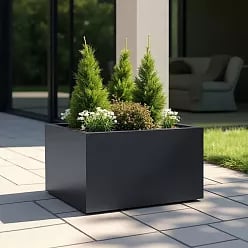
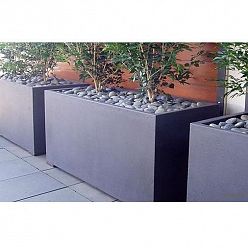
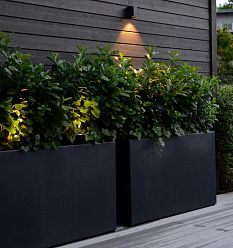
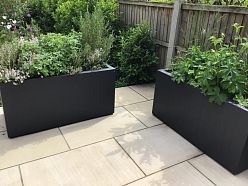
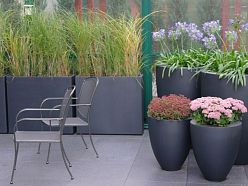
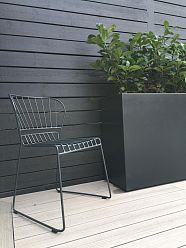
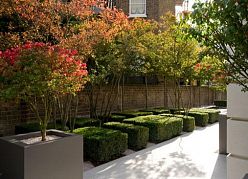
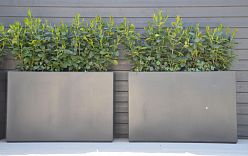
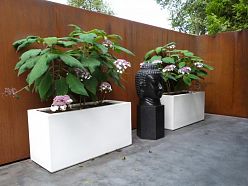
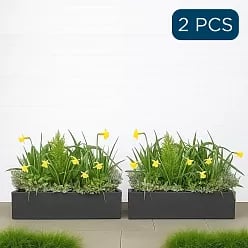
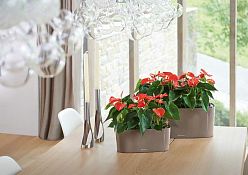
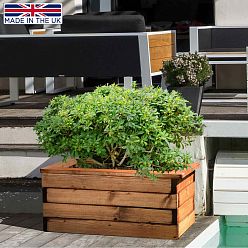
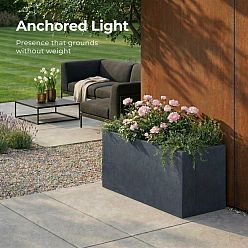
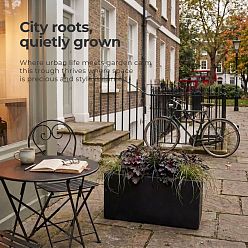
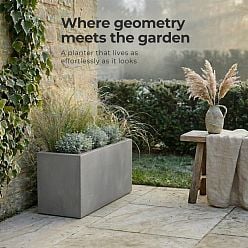
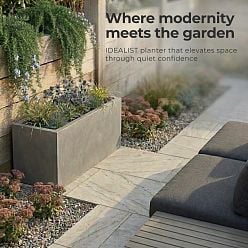
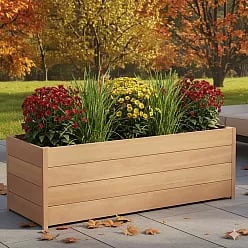
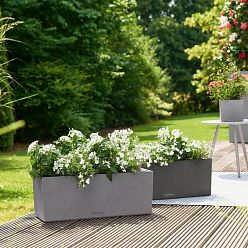
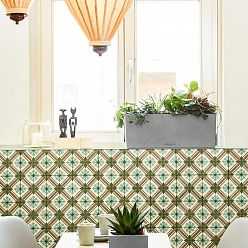
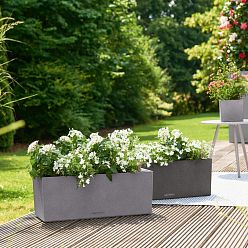
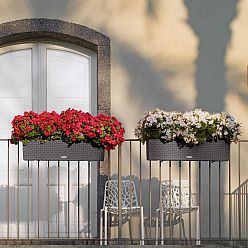
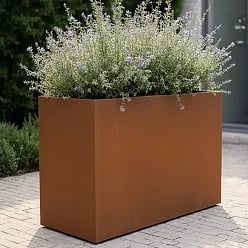
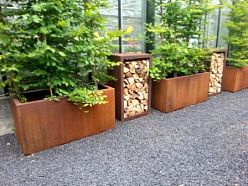
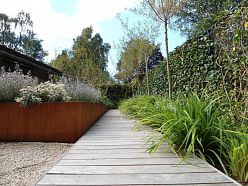
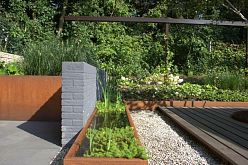
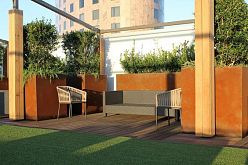
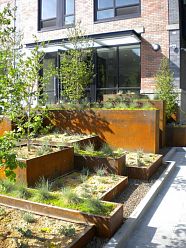
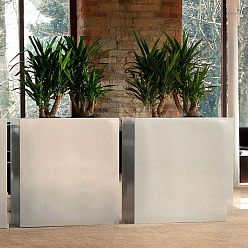
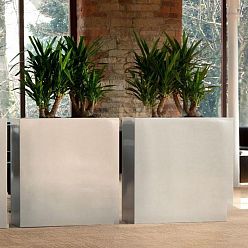
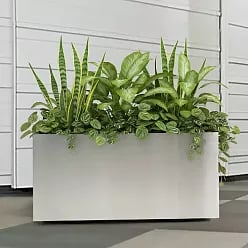
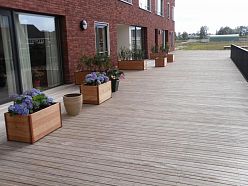
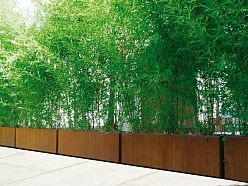
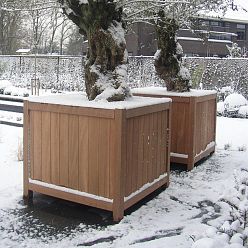
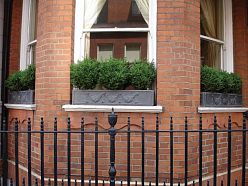
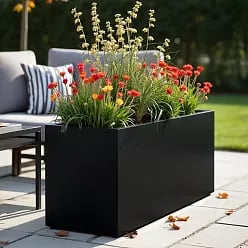
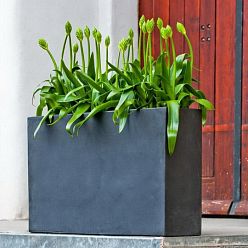
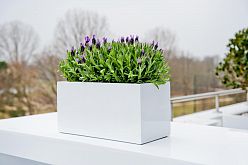
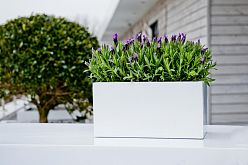
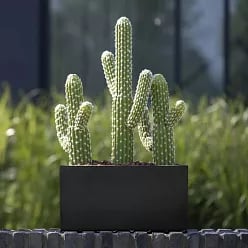
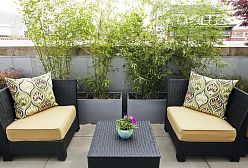
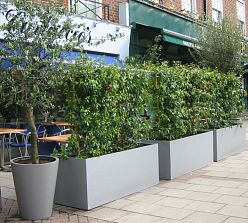
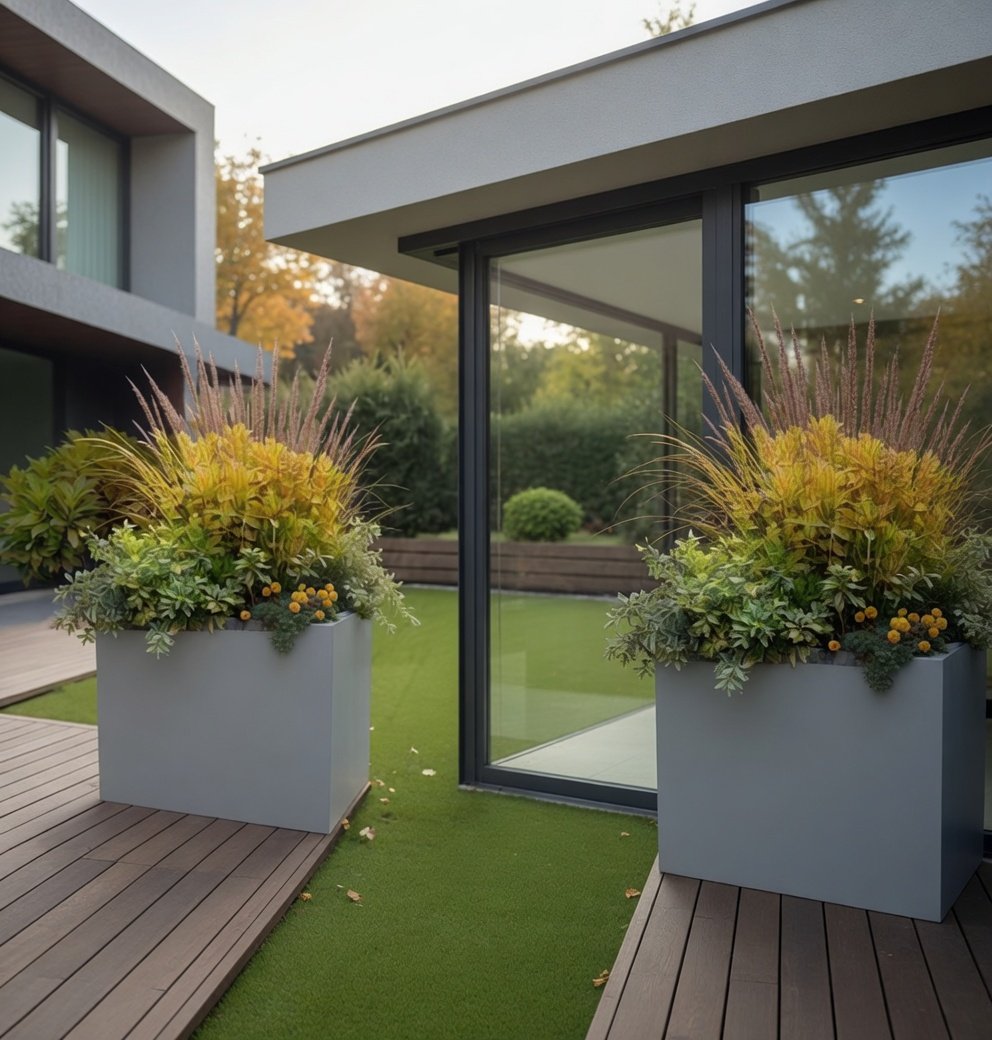
More than almost any other planter form, the trough is an instrument of spatial organisation. Used thoughtfully, a row of matching trough planters can divide a terrace into distinct zones — dining from lounging, seating from planting — without any permanent structure. A single long trough positioned along the base of a garden fence creates the impression of a planted border even in a paved courtyard with no soil at all. A pair of raised high troughs flanking a pathway or gate creates an entrance that feels considered and complete.
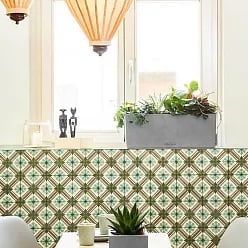
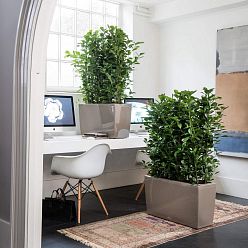
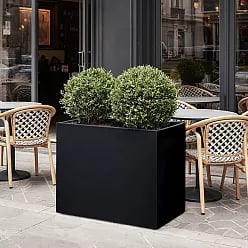
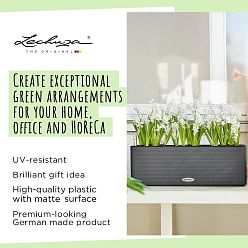
This quality makes trough planters particularly popular in commercial and hospitality settings — restaurants, hotel entrances, office courtyards — where clean lines, durability and adaptability to change are priorities. But the same principles apply equally to domestic gardens: a terrace that feels bare or unresolved often only needs one or two well-chosen trough planters to give it shape and purpose.
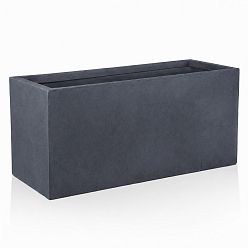
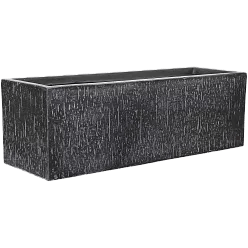
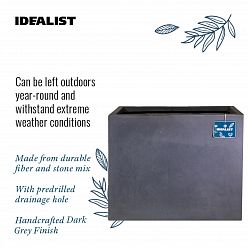
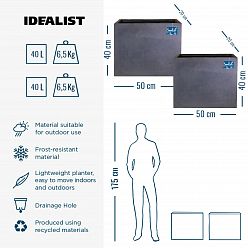
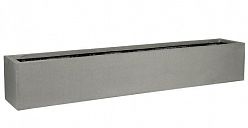
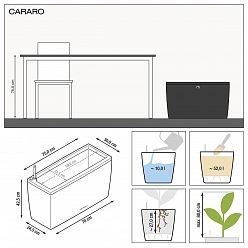
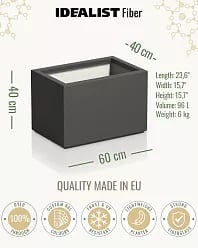
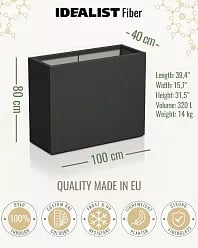
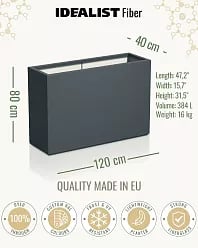
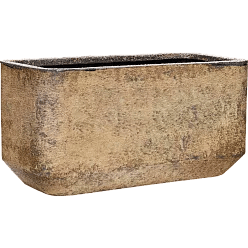
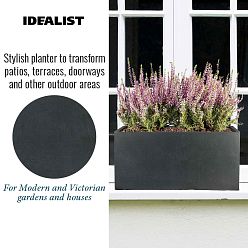
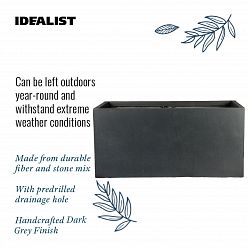
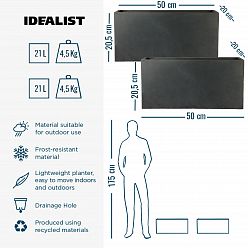
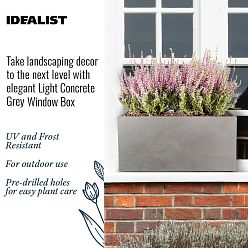
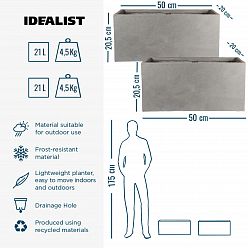
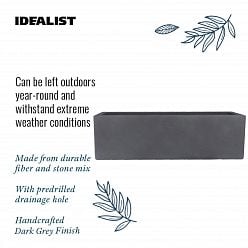
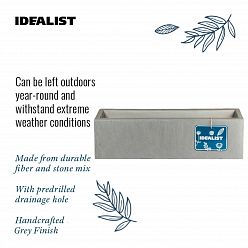
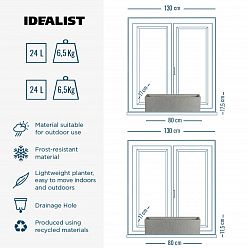
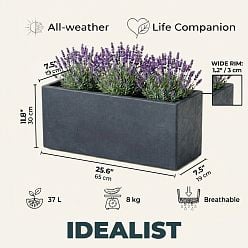
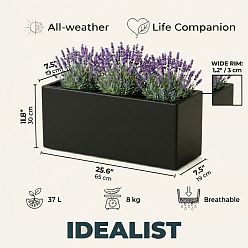
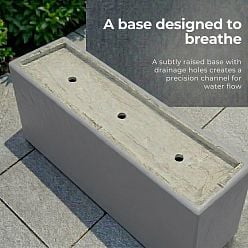
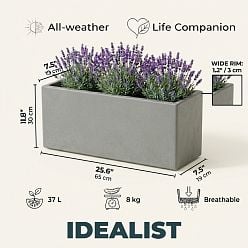
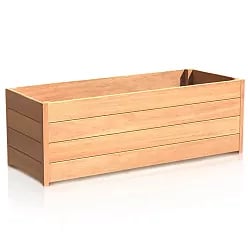
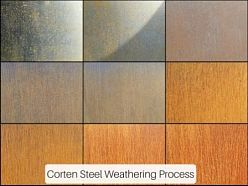
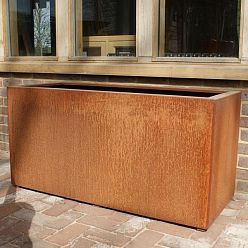
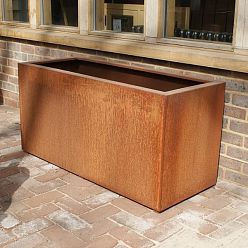
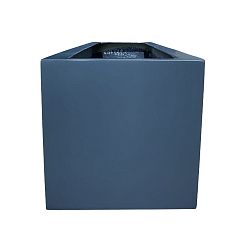
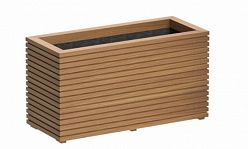
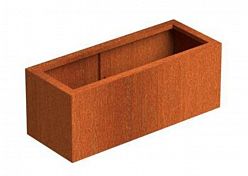
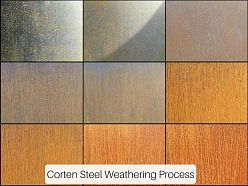
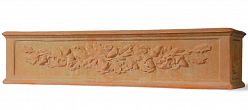
The Getpotted trough range spans from accessible IDEALIST Lite light concrete-effect designs starting from under £50 through to commercial-grade GRP, aluminium and corten steel troughs at the premium end — across lengths from 40 cm to 200 cm and capacities from 10 litres to 600 litres and beyond.
Planting Ideas for Trough Planters
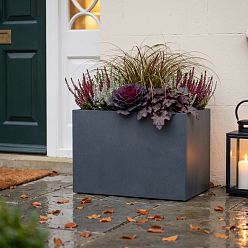
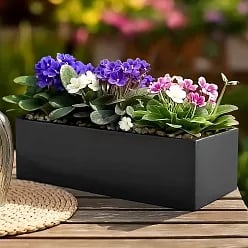
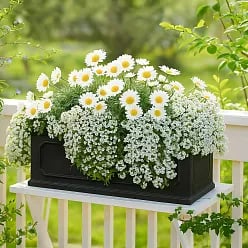
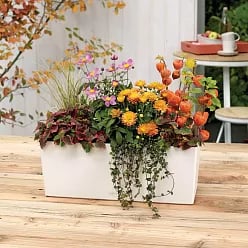
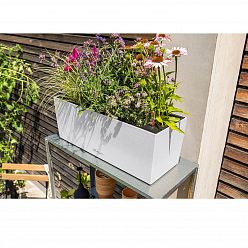
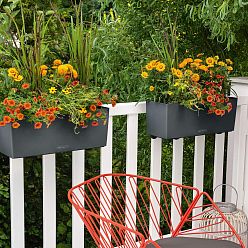
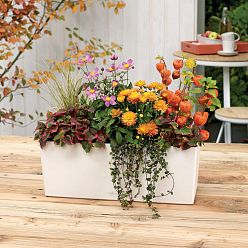
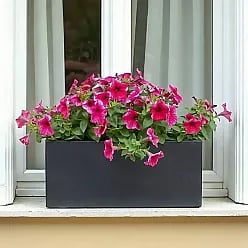
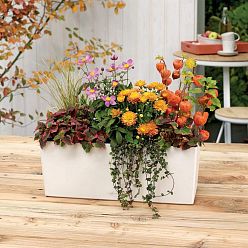
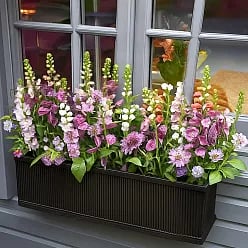
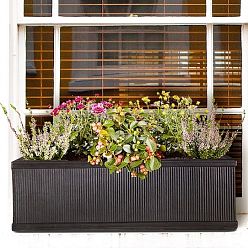
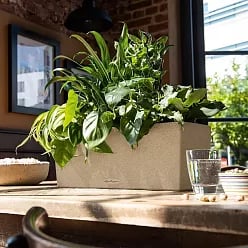
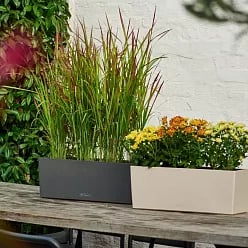
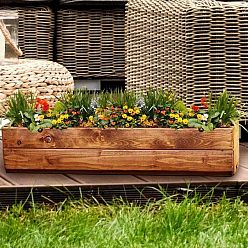
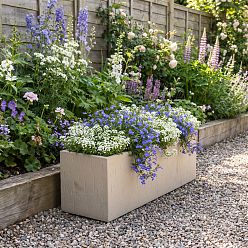
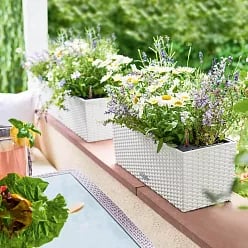
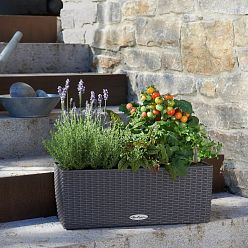
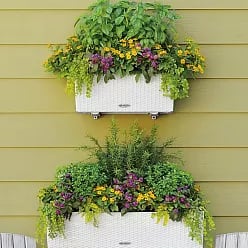
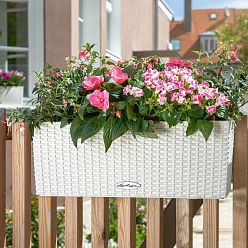
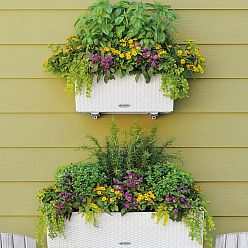
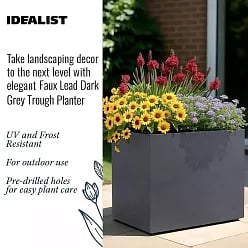
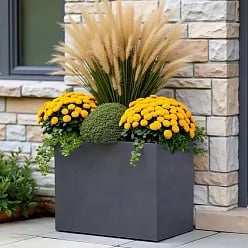
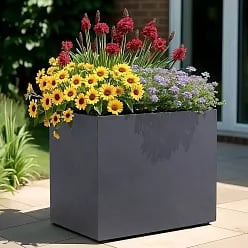
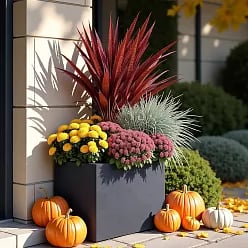
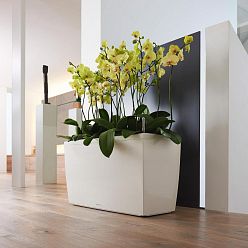
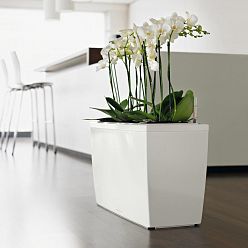
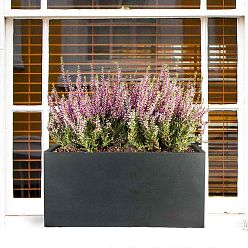
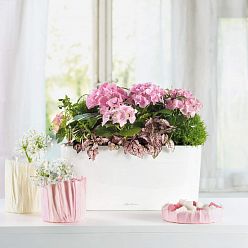
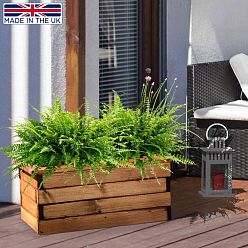
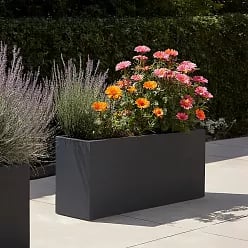
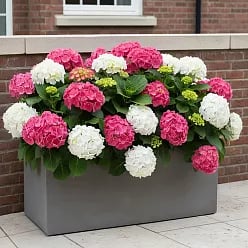
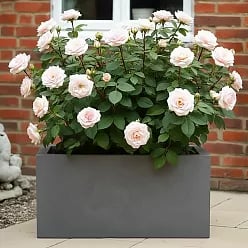
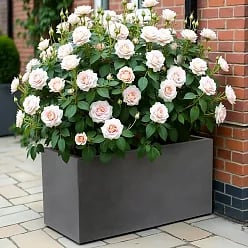
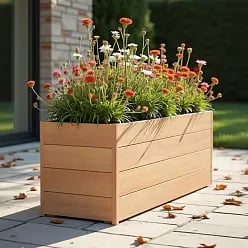
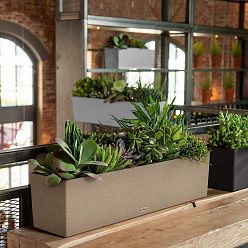
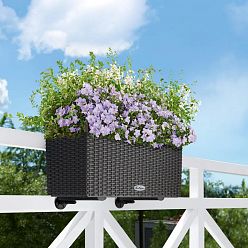
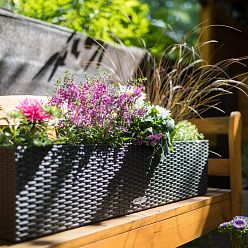
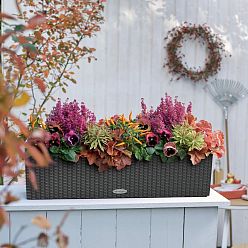
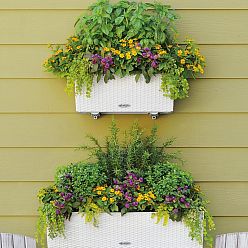
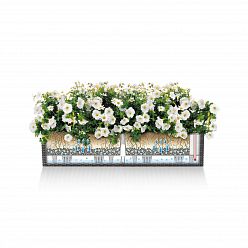
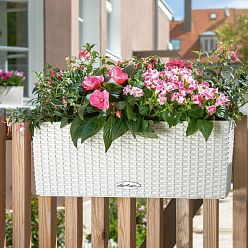
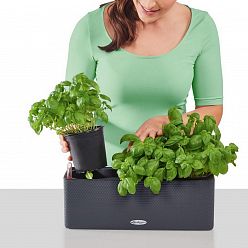
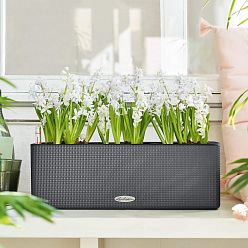
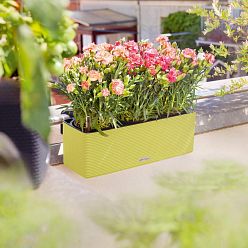
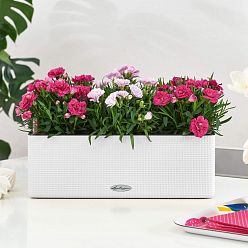
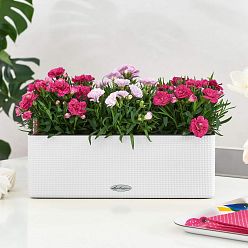
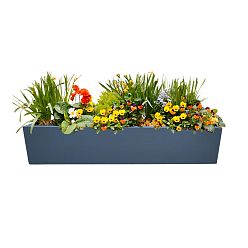
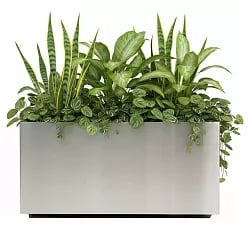
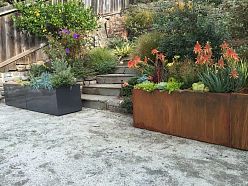
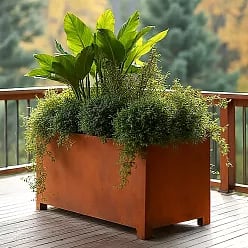
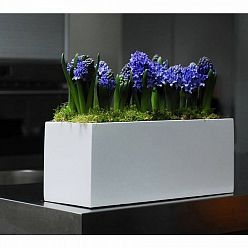
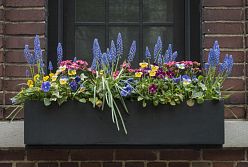
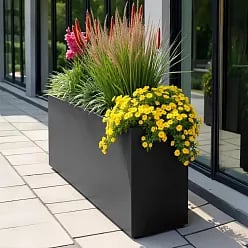
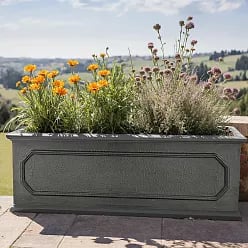
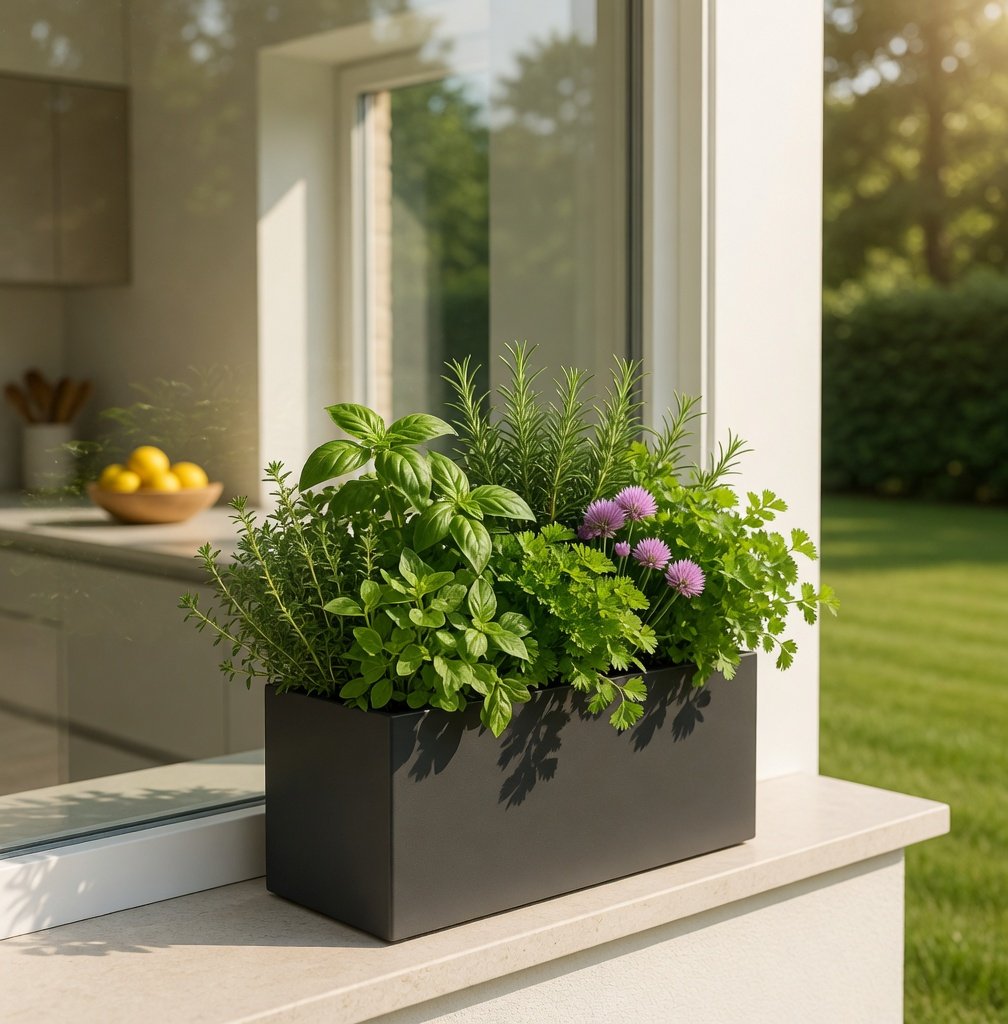
The elongated shape of a trough naturally encourages mixed planting — combining plants at different heights, textures and flowering times to create a layered, border-like display within a single container. A reliable approach is to work in threes across the length of the trough: a taller upright plant at each end, a mid-height feature plant or grass in the centre, and trailing or spreading plants at the front to soften the edge of the pot.
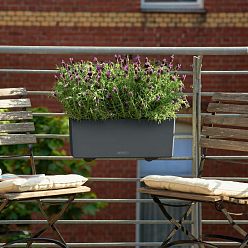
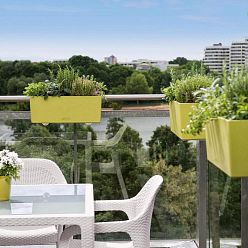
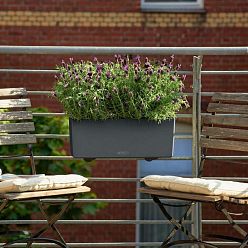
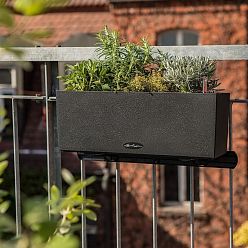
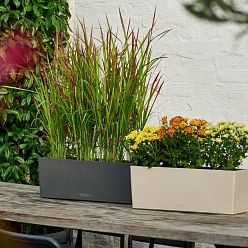
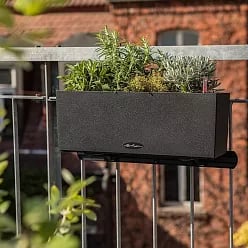
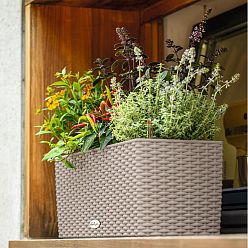
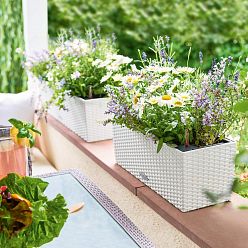
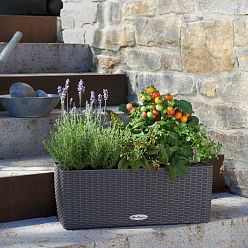
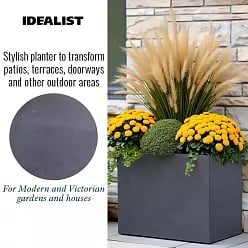
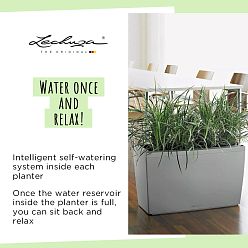
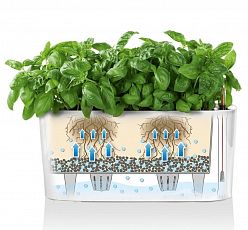
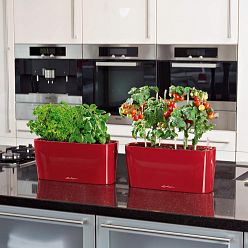
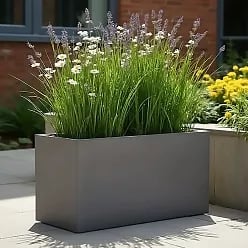
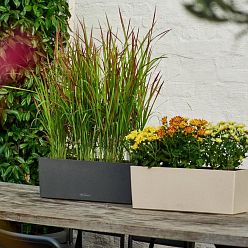
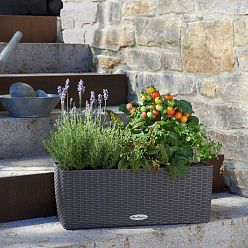
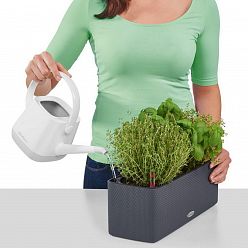
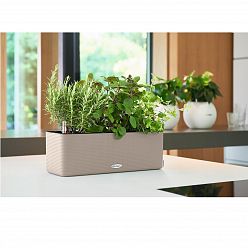
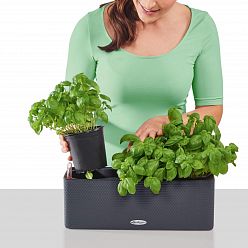
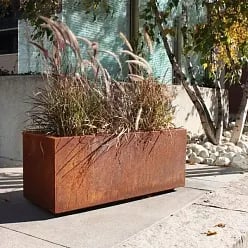
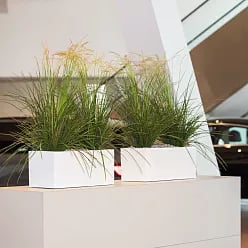
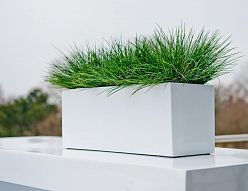
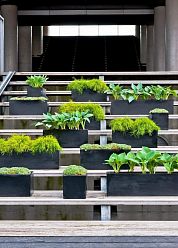
For a contemporary look, ornamental grasses — particularly festuca, stipa or carex — planted in a row within a single long trough create a clean, textural rhythm that looks equally good through winter. For a more traditional display, seasonal bedding mixed with trailing ivy or perennial geraniums provides colour across spring and summer and holds well into autumn. Herbs — rosemary, thyme, lavender and sage — are ideal for trough planters on sunny terraces and patios, combining practical use with structural, aromatic planting that looks good year-round.
Why Getpotted?
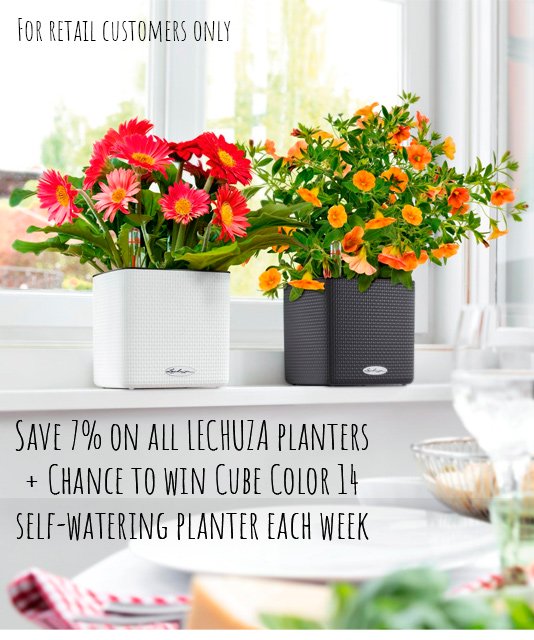
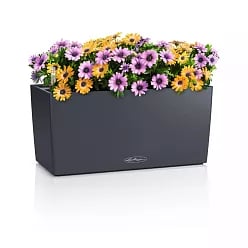
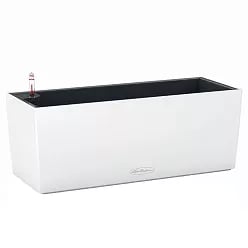
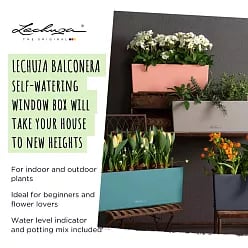
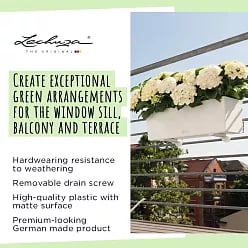
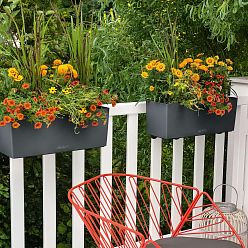
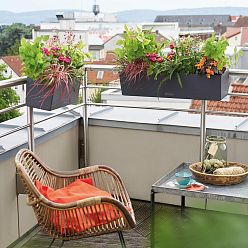
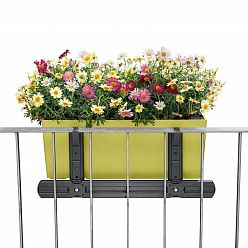
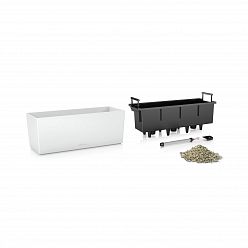
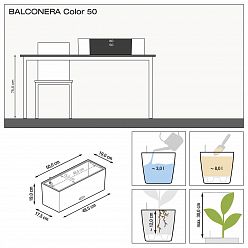
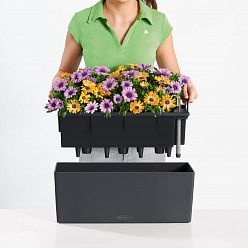
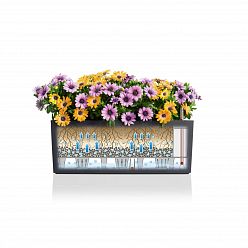
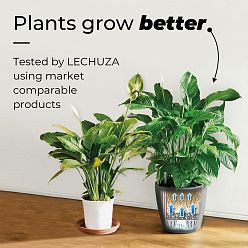
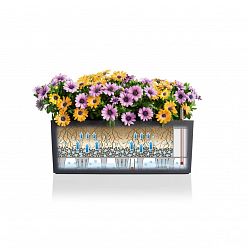
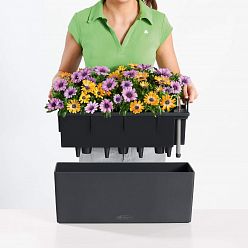
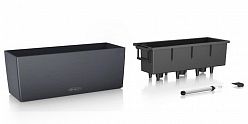
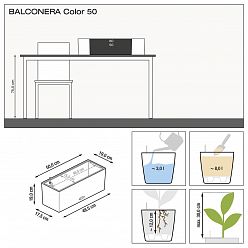
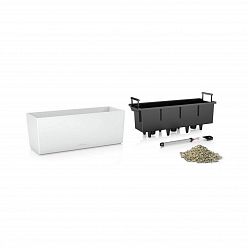
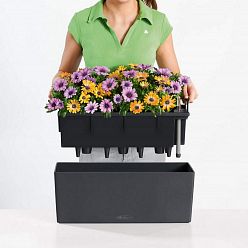
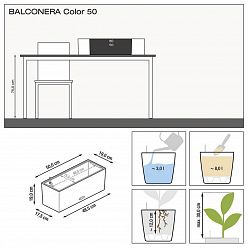
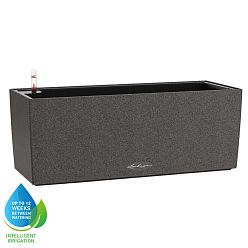
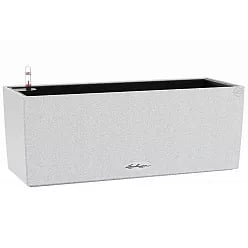
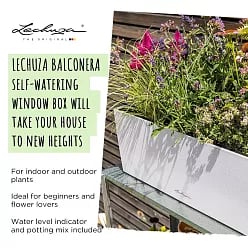
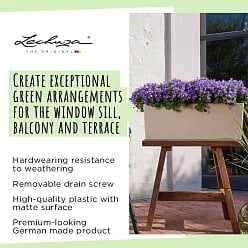
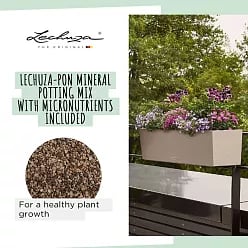
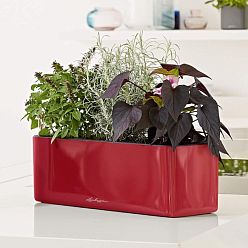
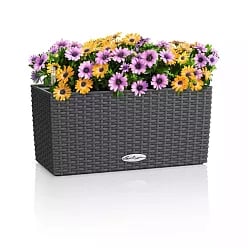
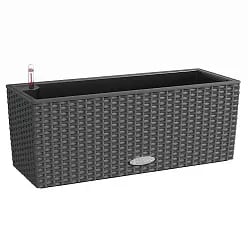
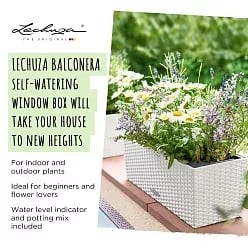
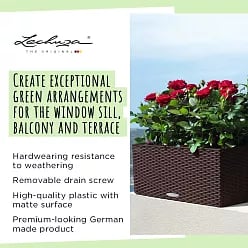
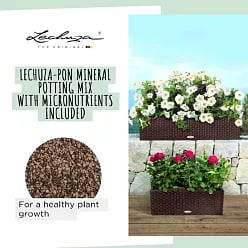
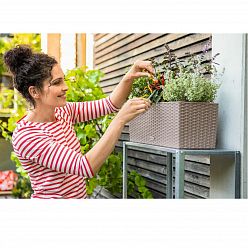
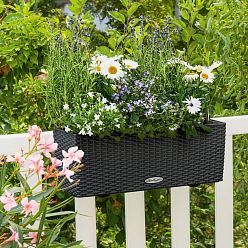
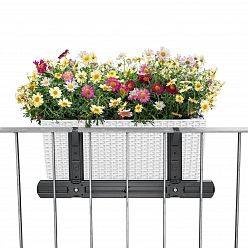
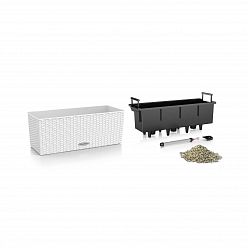
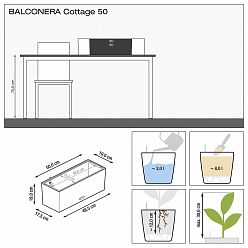
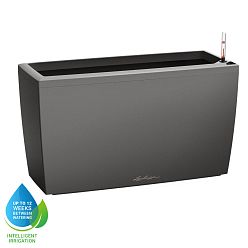
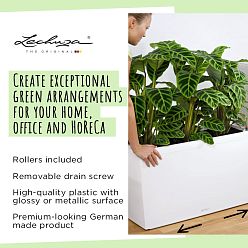
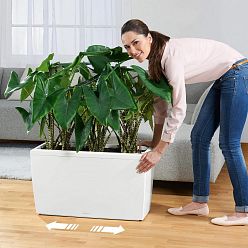
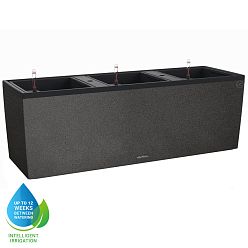
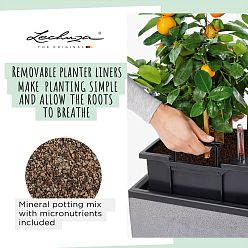
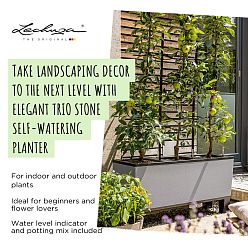
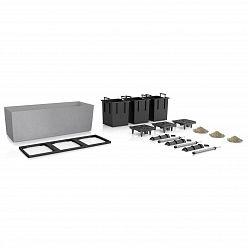
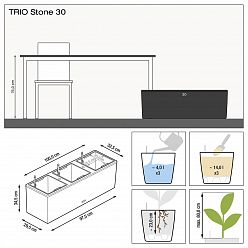
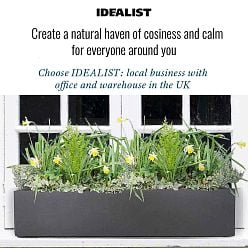
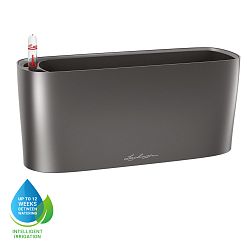
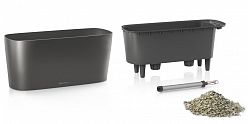
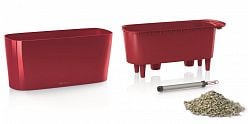
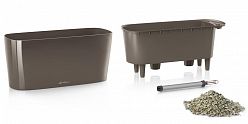
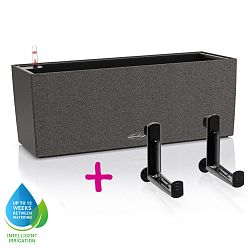
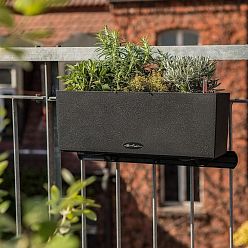
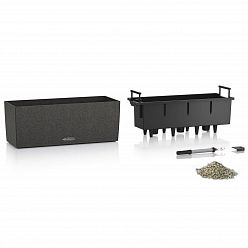
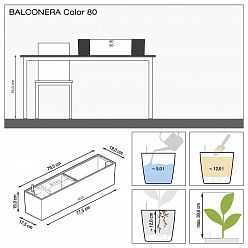
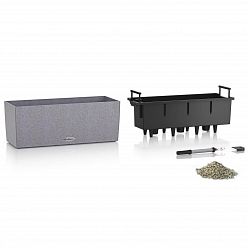
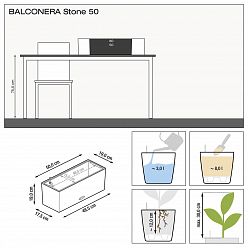
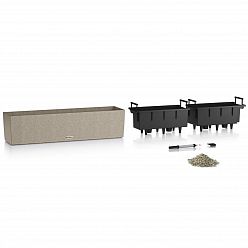
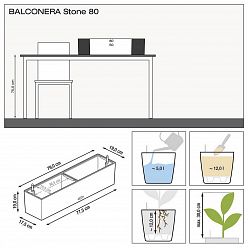
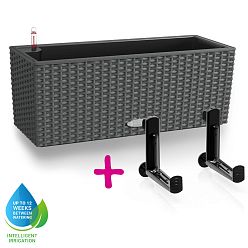
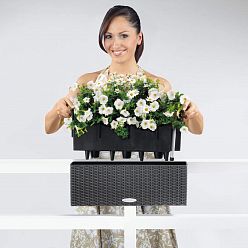
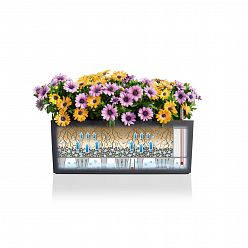
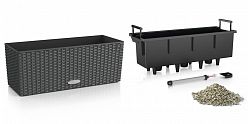
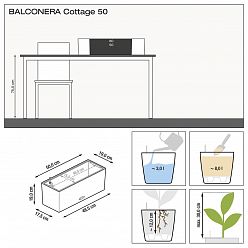
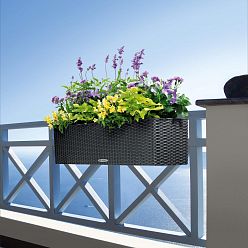
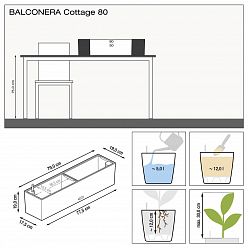
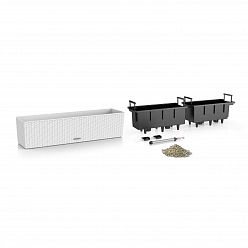
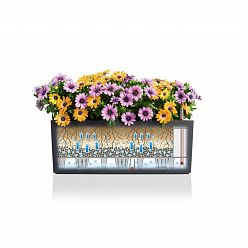
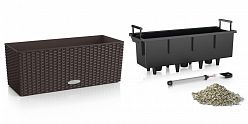
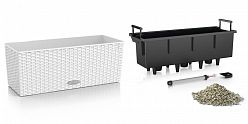
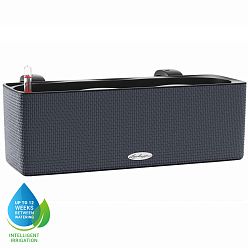
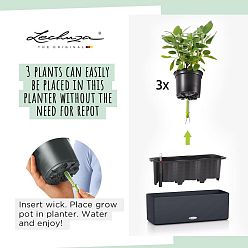
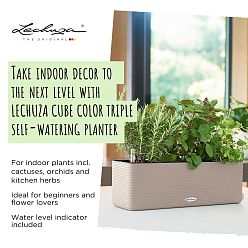
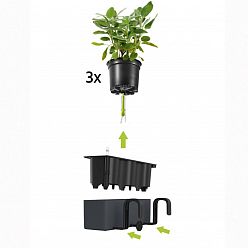
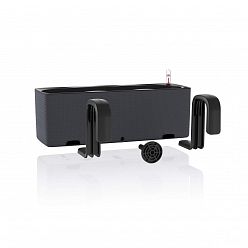
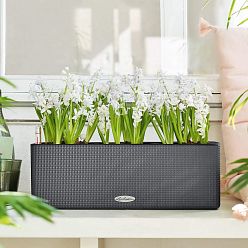
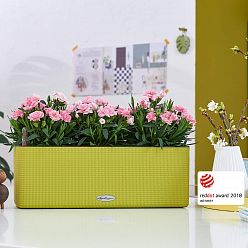
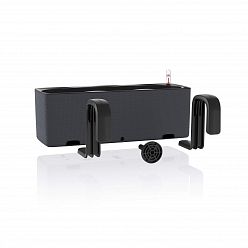
A trough planter is often a considered, longer-term purchase — something that will define how a terrace, balcony or garden border looks season after season. At Getpotted, the trough range is built with that expectation in mind. Our IDEALIST and IDEALIST Lite trough designs are developed and quality-checked in-house. We're the official UK distributor for LECHUZA, whose BALCONERA and TRIO self-watering troughs set the standard for balcony and interior planting. Packaging for larger trough orders is handled carefully by our Dunstable team — something customers regularly single out in their reviews. With a 4.7-star rating on Trustpilot from over 2,700 verified buyers, including many purchasing troughs and window boxes, you can order knowing your planter will arrive exactly as it should.

FAQ — Trough & Rectangular Planters
What's the difference between a trough planter and a window box?
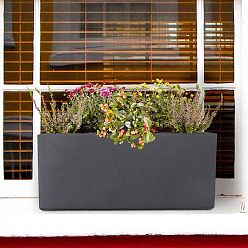
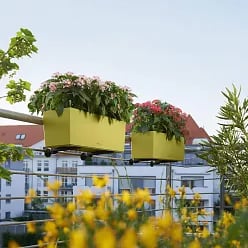
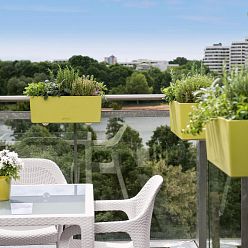
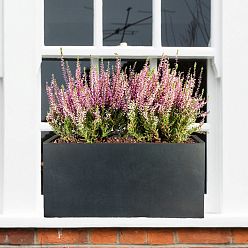
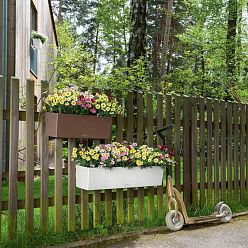
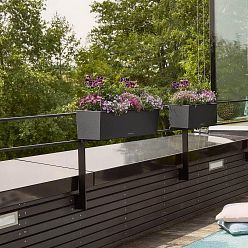
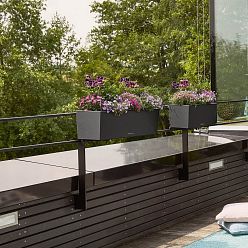
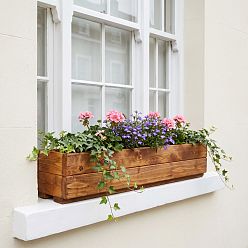
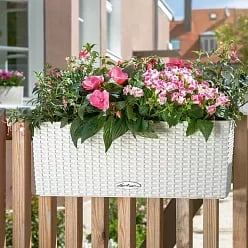
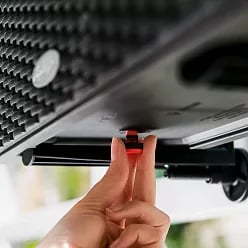
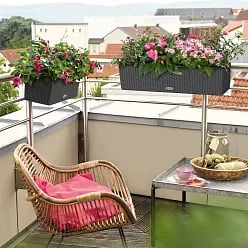
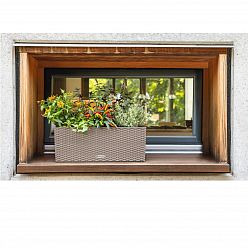
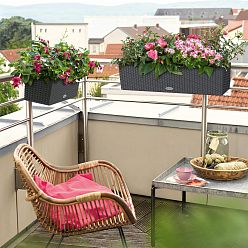
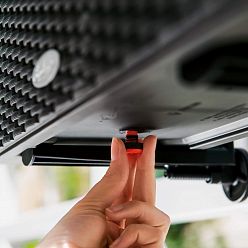
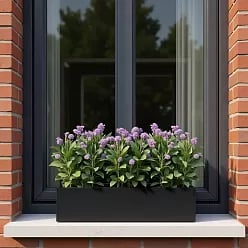
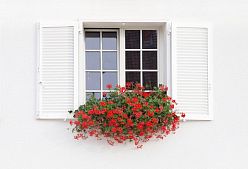
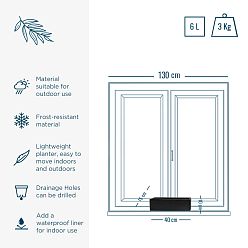
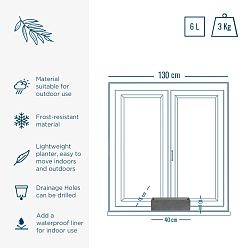
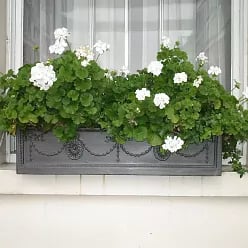
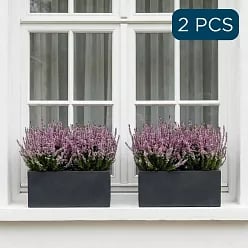
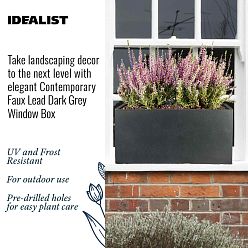
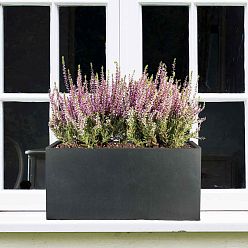
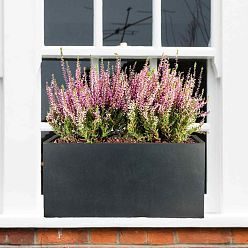
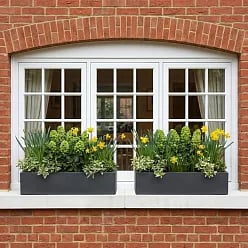
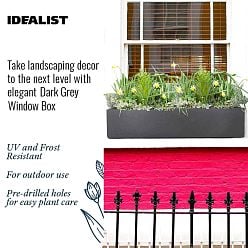
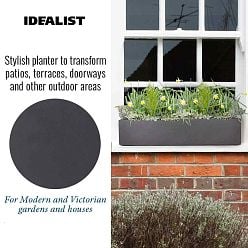
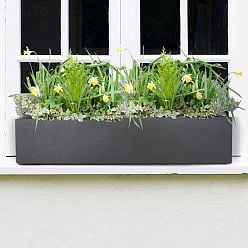
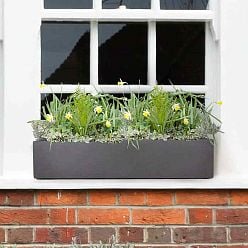
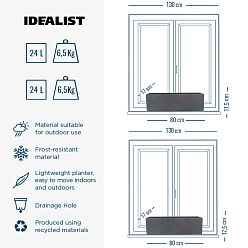
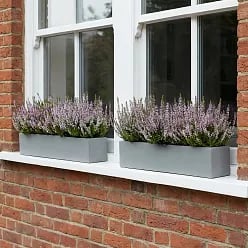
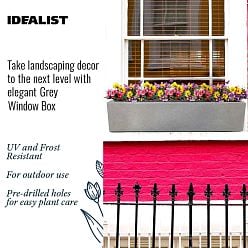
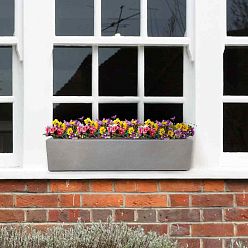
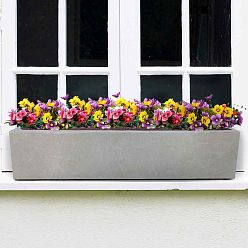
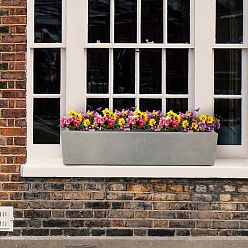
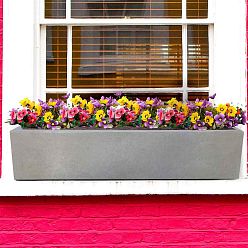
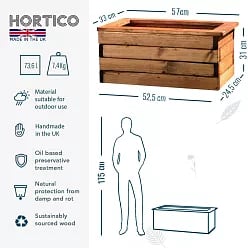
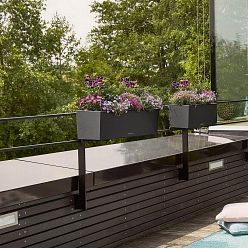
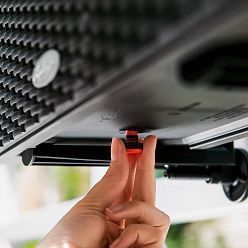
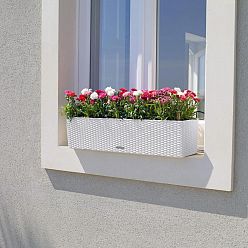
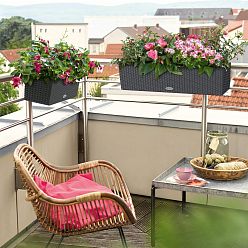
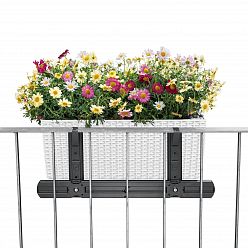
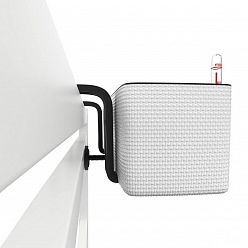
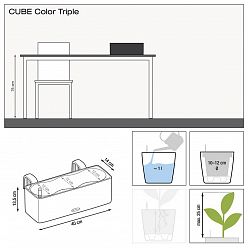
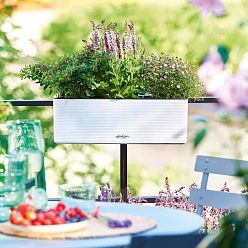
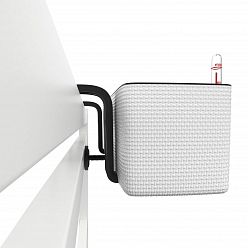
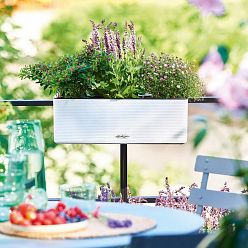
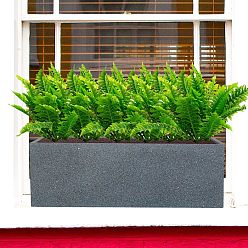
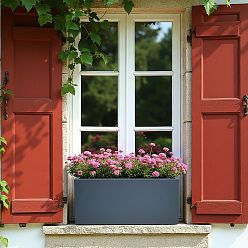
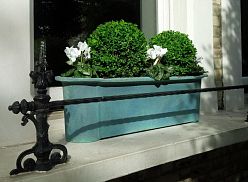
Window boxes are typically compact — 40 to 80 cm — and designed specifically for windowsills or railings, often with fixing options. Trough planter is a broader term covering the same rectangular form at all scales, from balcony-sized pieces up to 200 cm garden statement planters. Many products suit both applications — check dimensions and fixing notes on the individual product page.
How often do trough planters need watering?
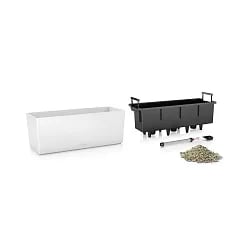
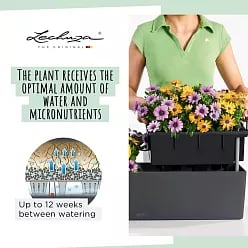
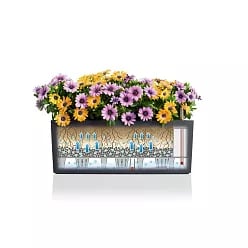
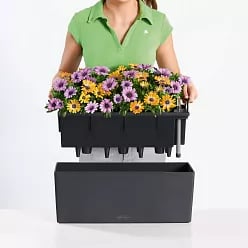
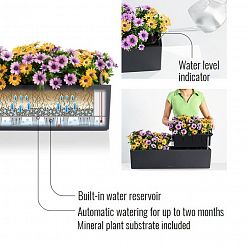
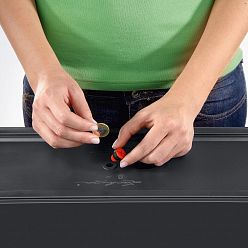
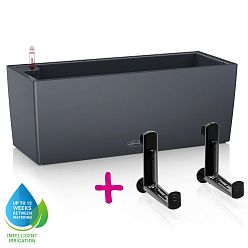
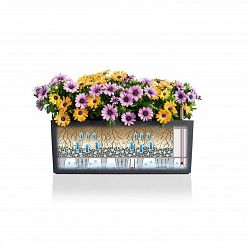
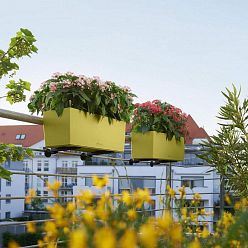
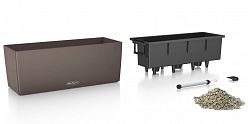
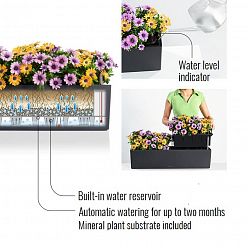
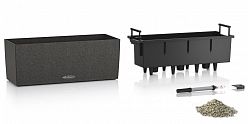
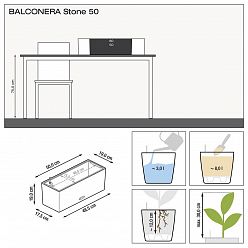
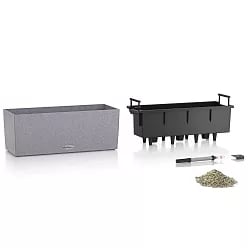
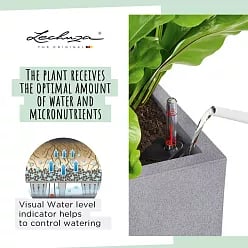
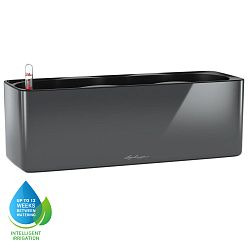
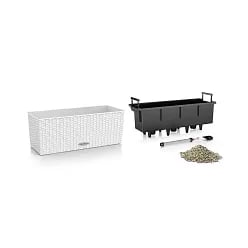
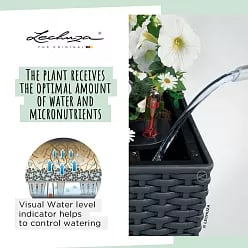
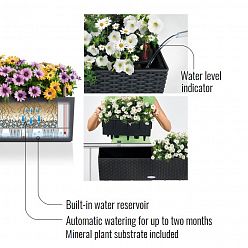
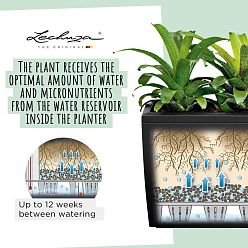
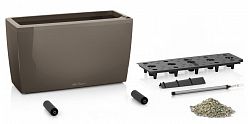
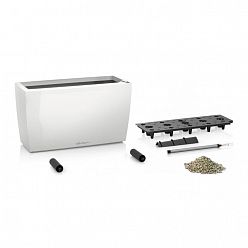
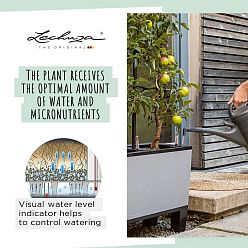
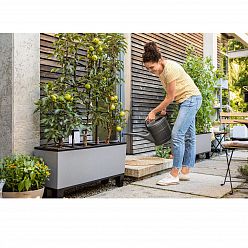
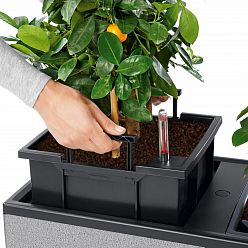
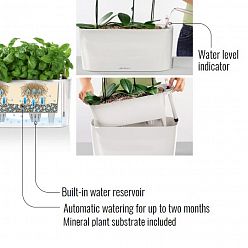
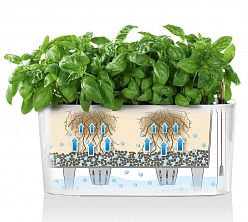
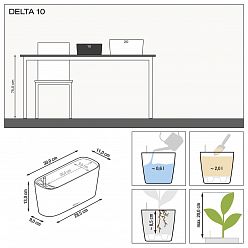
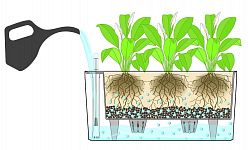
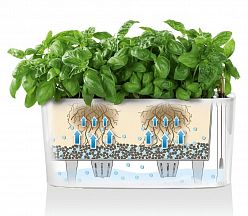
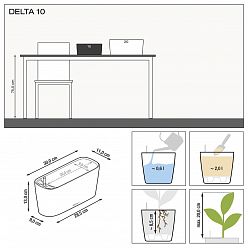
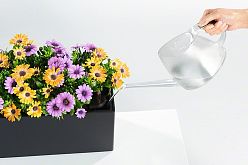
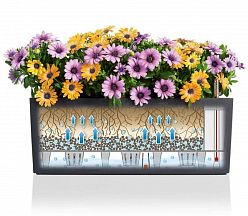
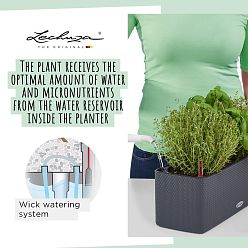
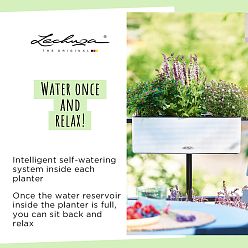
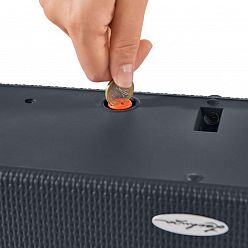
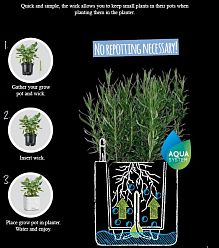
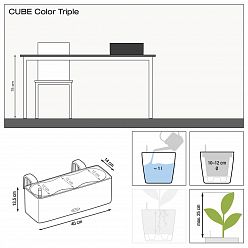
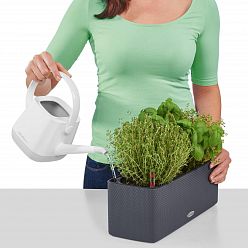
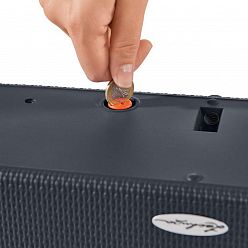
Smaller, shallower troughs dry out faster — in warm weather, daily watering is not unusual for compact designs. Larger deep troughs typically need watering every two to three days once plants are established. Self-watering trough planters with integrated reservoirs — such as the LECHUZA BALCONERA — extend this significantly, often requiring a refill only every one to two weeks.
Can trough planters create a privacy screen outdoors?
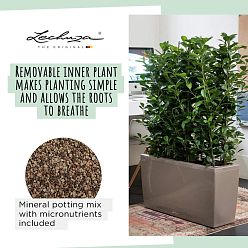
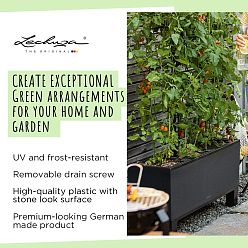
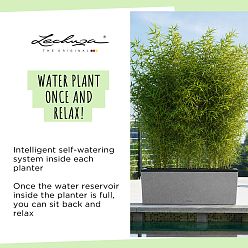
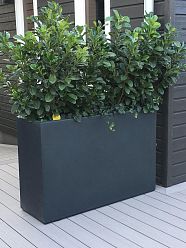
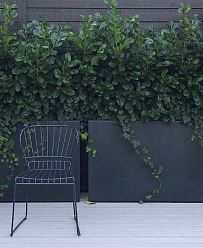
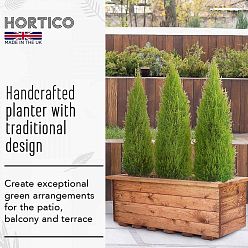
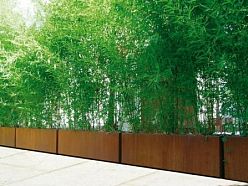
Yes — this is one of the most effective uses, particularly with raised high trough designs. A row of deep troughs planted with tall grasses, bamboo or laurel creates a soft planted screen that divides a terrace or provides privacy without permanent construction. For a quicker result, architectural plants like phormium establish fast and hold structure well year-round.
Are trough planters frost-resistant for UK outdoor use year-round?
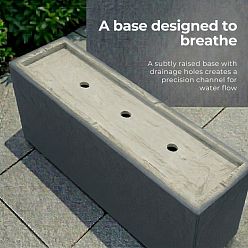
Most outdoor-rated troughs in the Getpotted range are frost-resistant, but the specific rating varies by material. Always check the individual product specification page before buying for a fully exposed position. GRP, fiberglass and quality poly resin troughs perform well year-round in UK conditions.
What plants work best in a long deep trough outdoors?
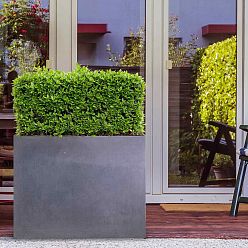
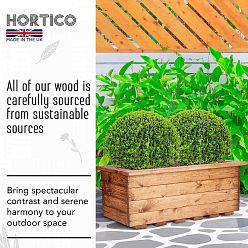
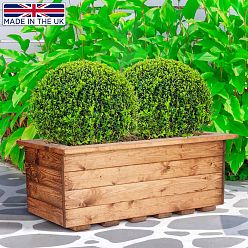
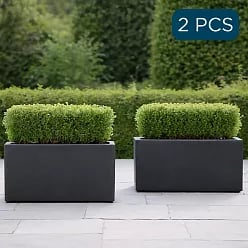
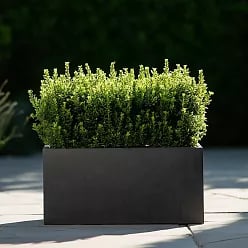
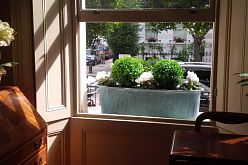
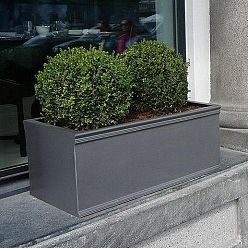
For year-round structure, ornamental grasses, evergreen shrubs and lavender are reliable low-maintenance choices. For seasonal displays, mixing taller upright plants with trailing varieties at the front edge creates a border-like effect. For a contemporary scheme, repeating a single variety along the full length — identical box balls or grasses — creates a clean, cohesive look.
Can I use a trough planter indoors without a liner?
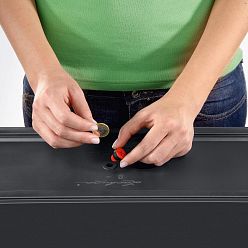
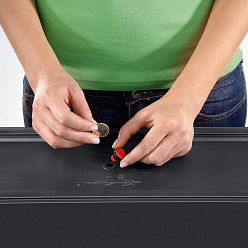
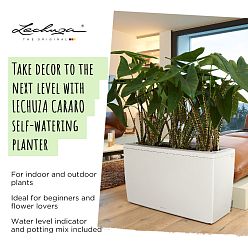
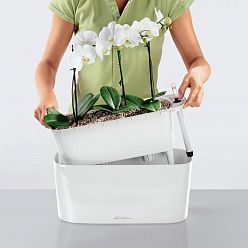
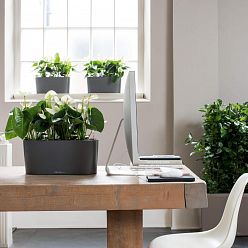
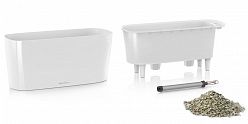
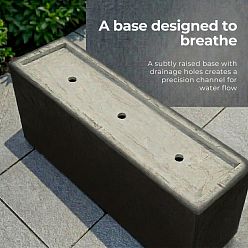
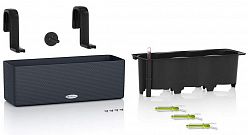
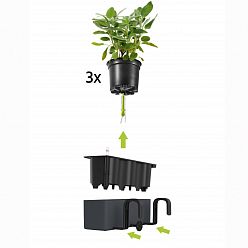
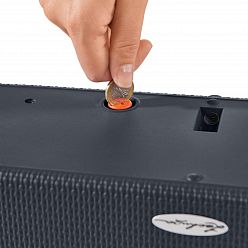
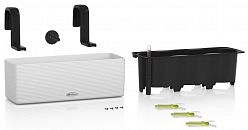
If the pot has a drainage hole, a saucer or liner is needed to protect floors. For hard surfaces, felt pads under the pot also prevent scratching. LECHUZA BALCONERA and TRIO self-watering troughs have a closed-base reservoir and require no drainage hole at all — the simplest option for indoor and office use.