
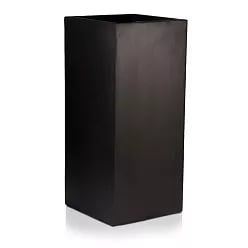
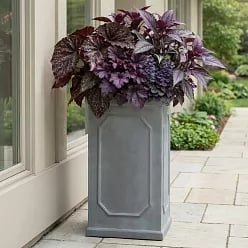
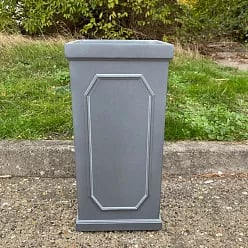
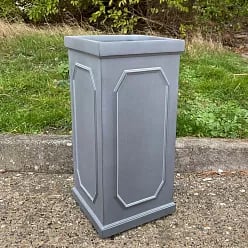
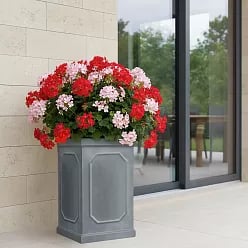
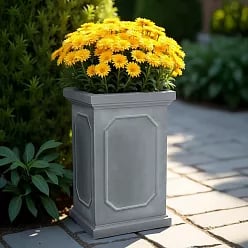
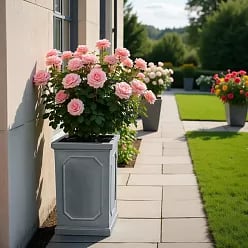

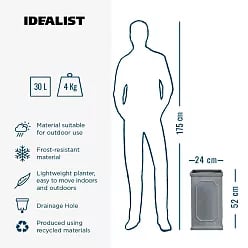
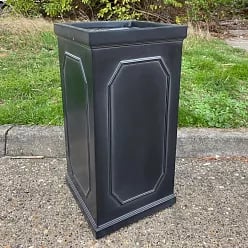
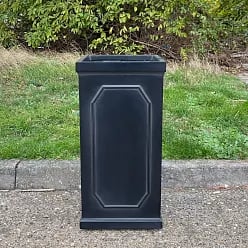
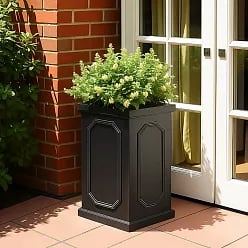
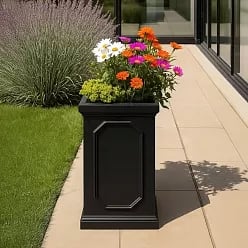
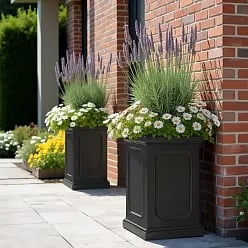
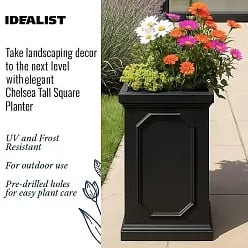
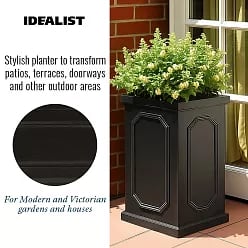


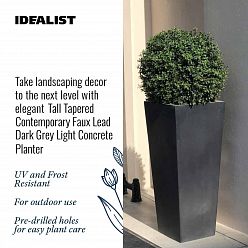
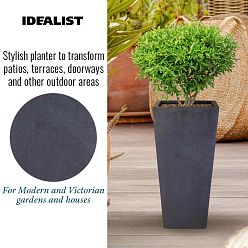
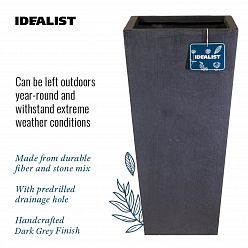
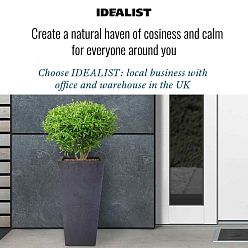



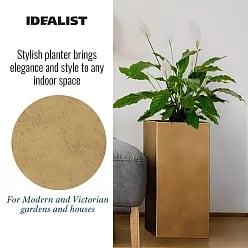
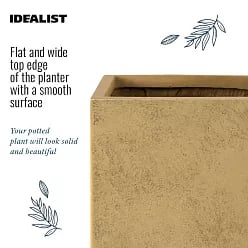
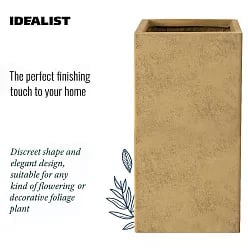

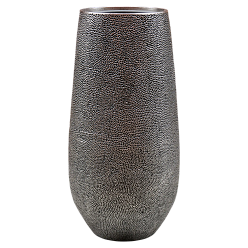
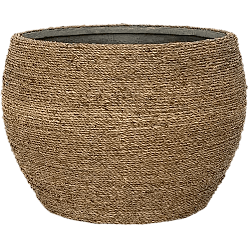
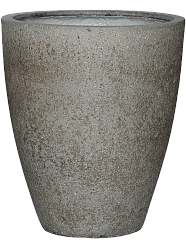
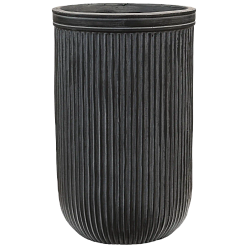
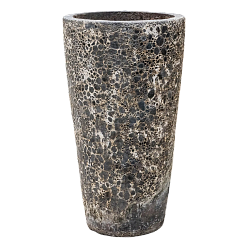
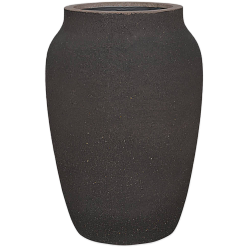
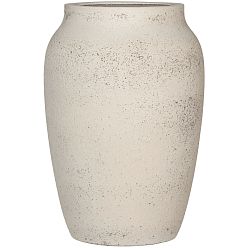
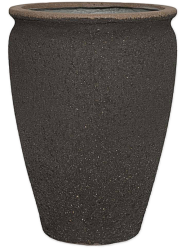

How to Choose a Tall Planter
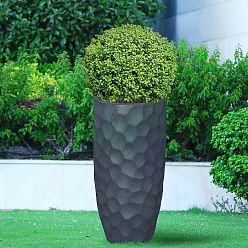
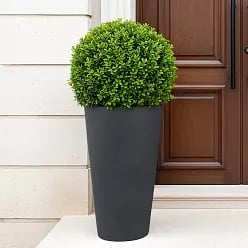
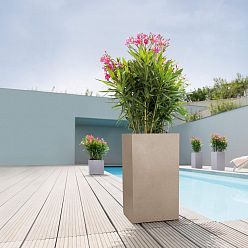
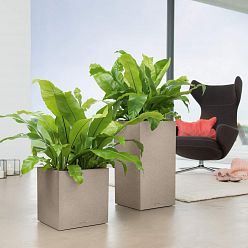
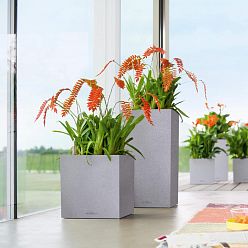
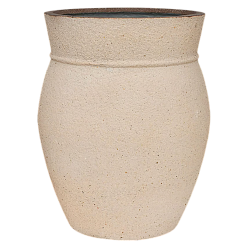
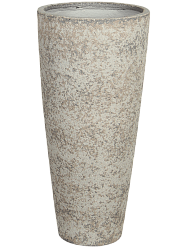
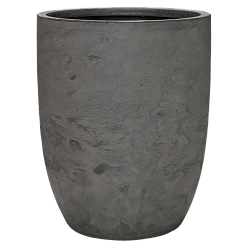
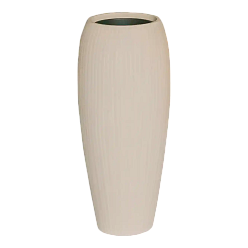
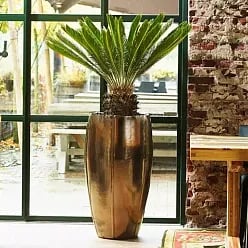
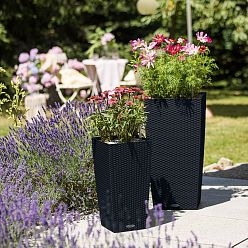
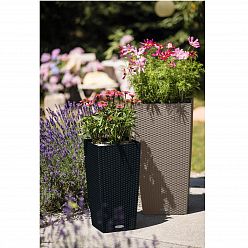
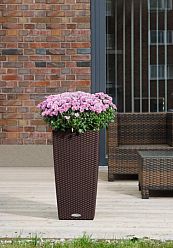
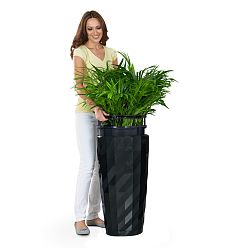
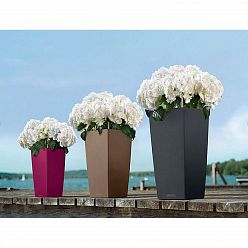
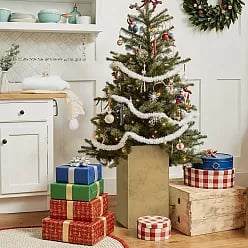
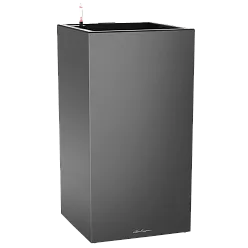
A tall planter does something no other shape quite manages — it adds genuine vertical presence to a space without requiring additional footprint. A single well-chosen tall planter beside a front door, at the end of a garden path or in a bare interior corner immediately changes the feel of a space. Here's what to think about before you buy.
Vertical Impact: Making Tall Planters Work in Your Space
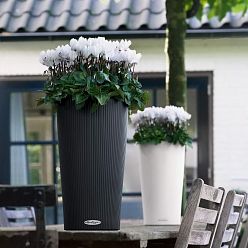
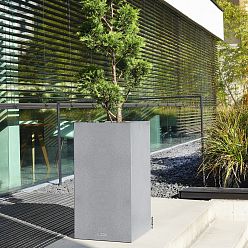
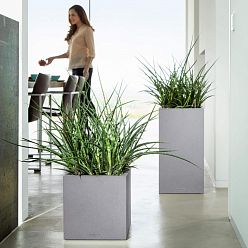
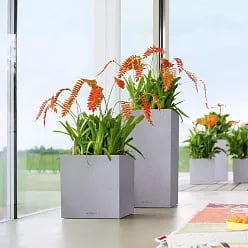
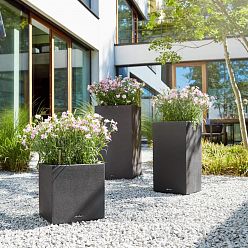
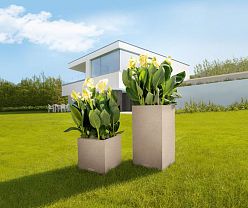
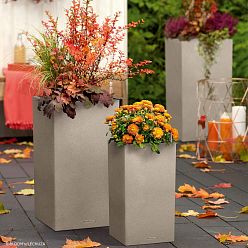
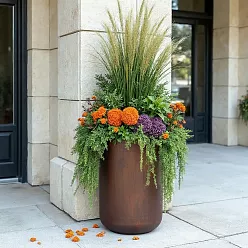
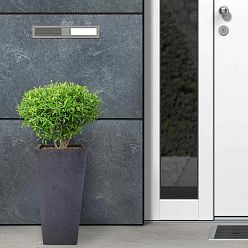
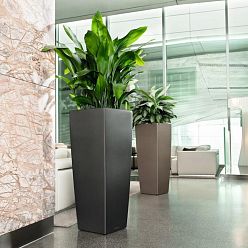
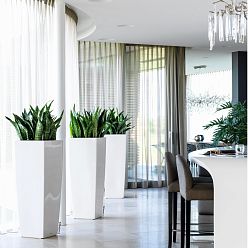
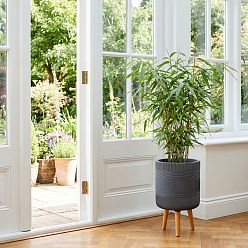
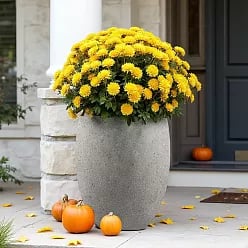
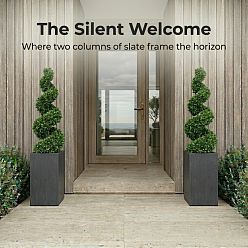
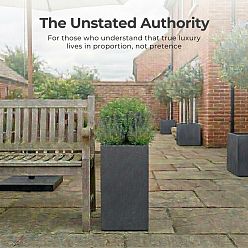
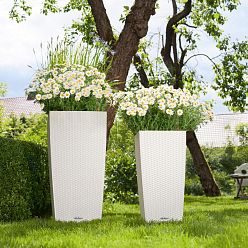
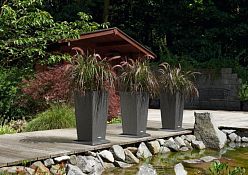
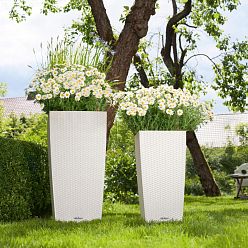
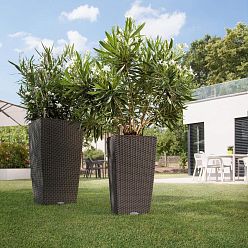
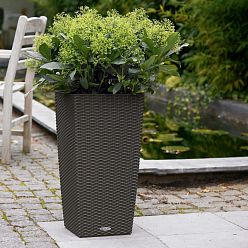
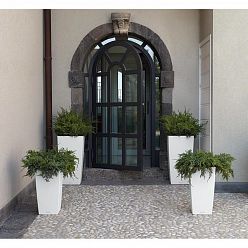
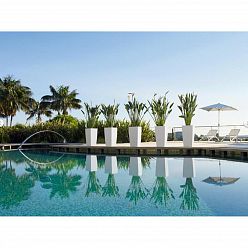
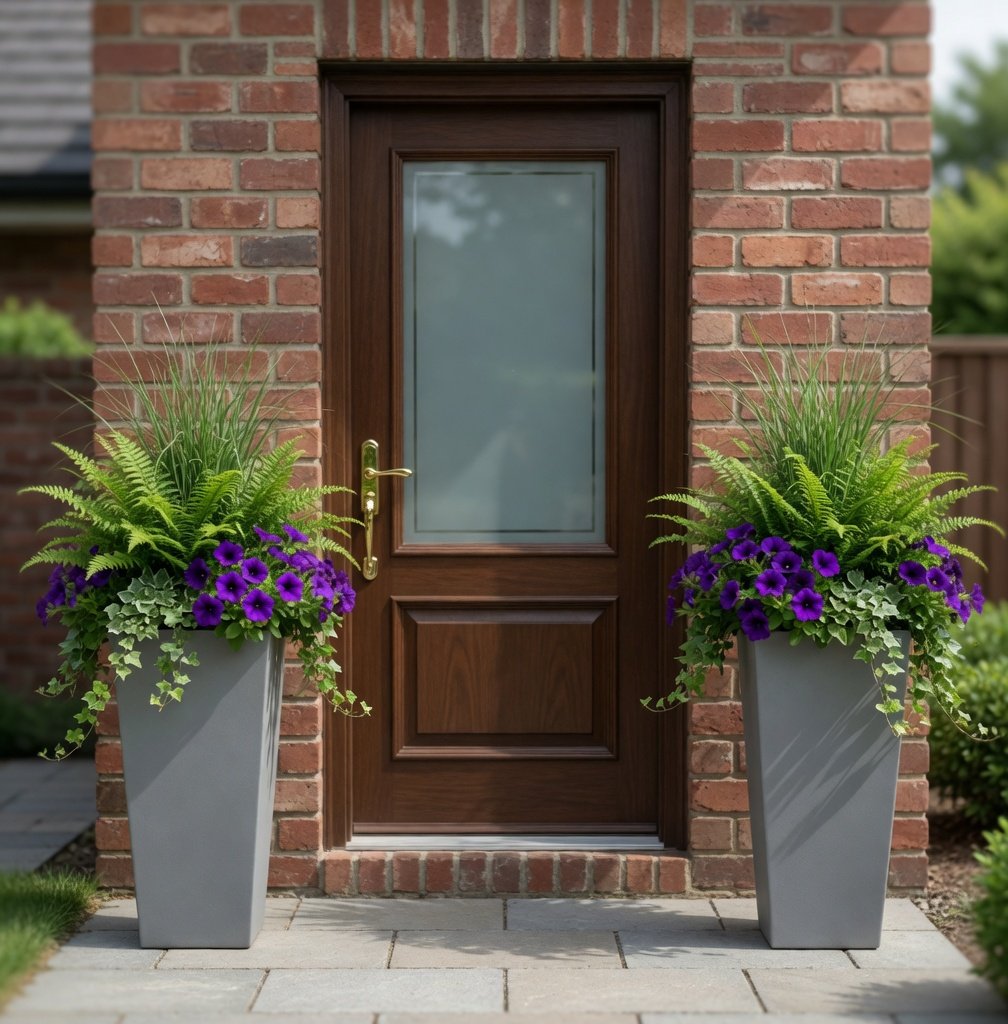
Few design moves are as effective — or as underused — as adding genuine vertical elements to a garden, terrace or interior. Most outdoor planting sits at ground level, which means the eye naturally travels across the space rather than through it. A pair of tall planters positioned at either side of a seating area, a gate or a front door immediately draws the eye upward and creates a sense of structure and enclosure that lower planting can't achieve.
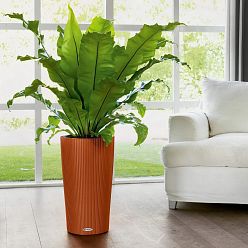
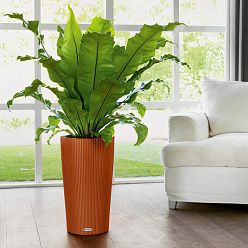
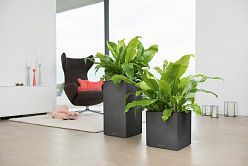
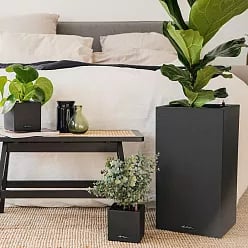
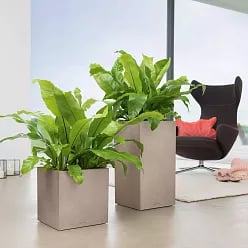
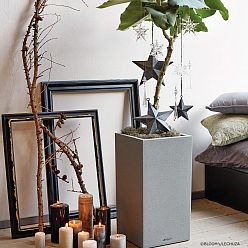
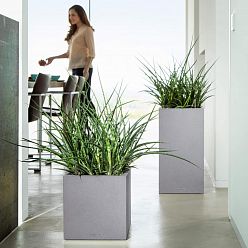
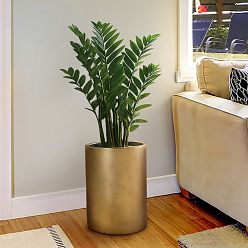
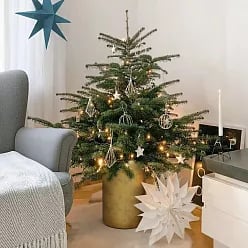
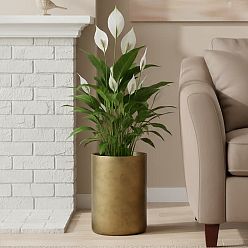
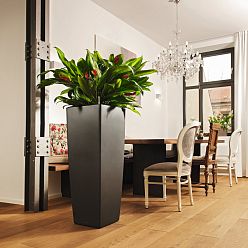
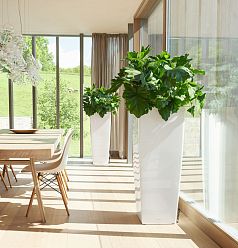
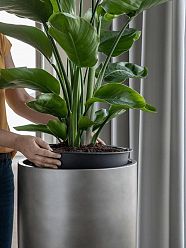
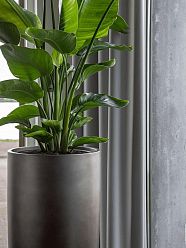
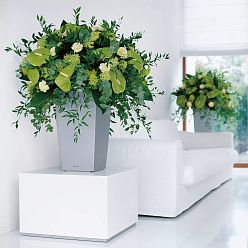
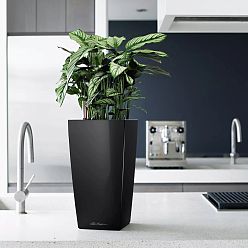
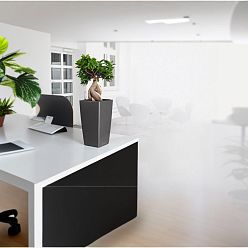
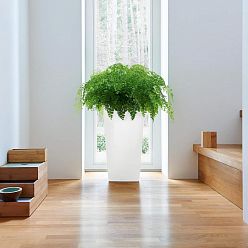
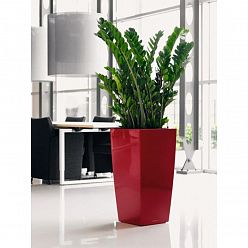
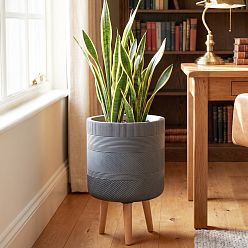
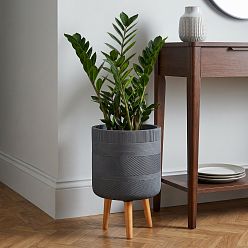
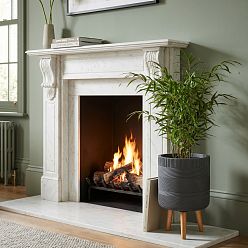
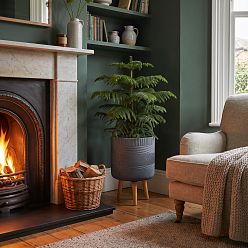
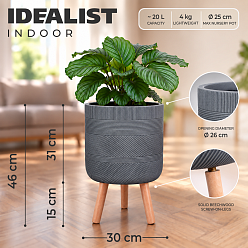
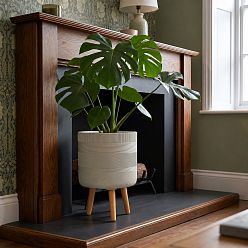
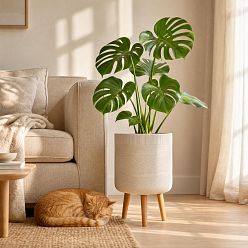
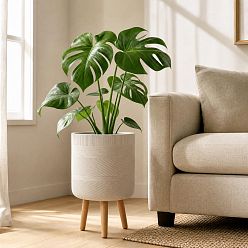
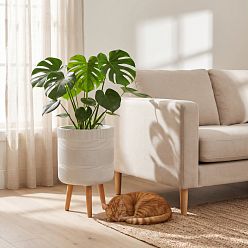
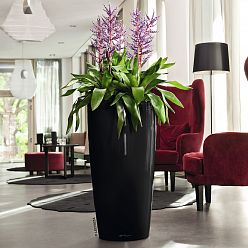
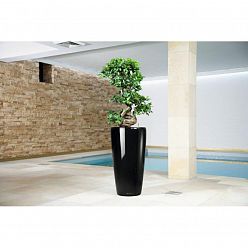
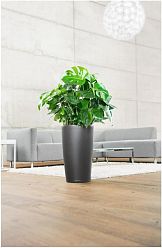
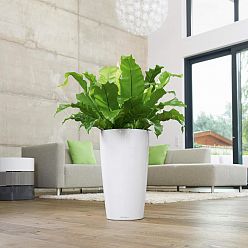
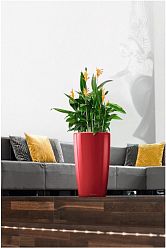
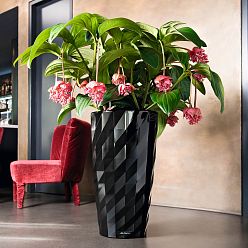
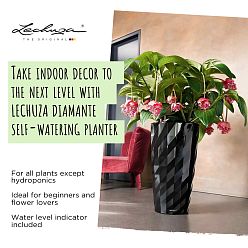
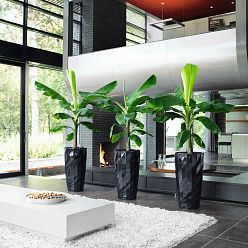
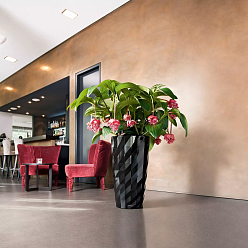
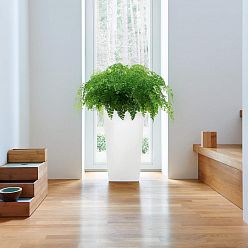
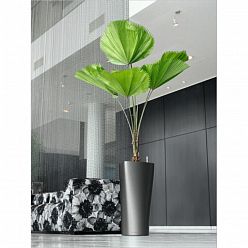
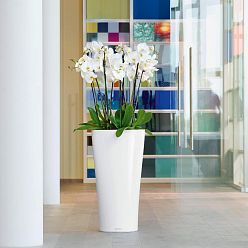
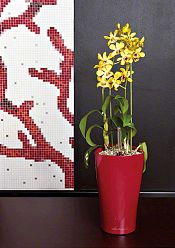
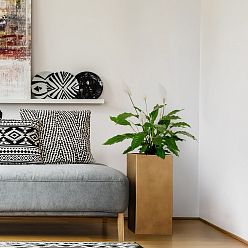
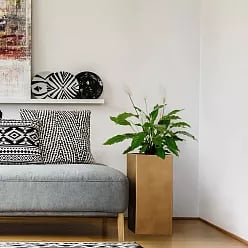
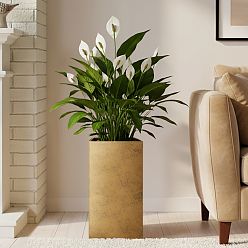
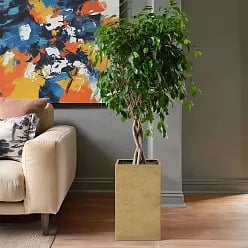
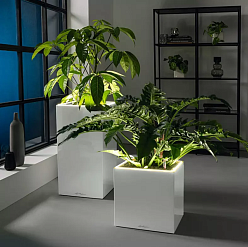
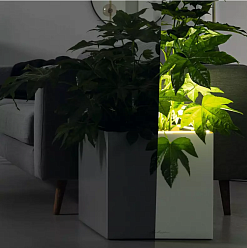
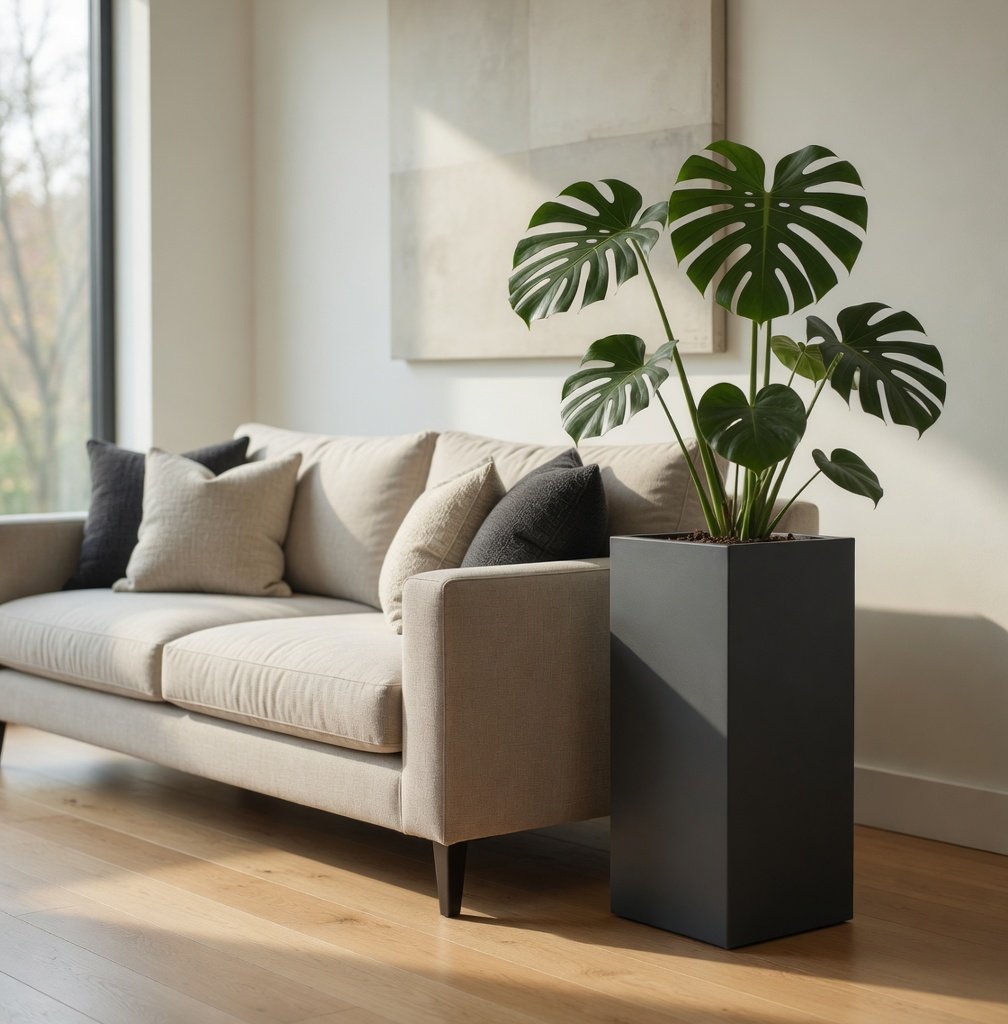
Indoors, a single tall floor planter in a corner — planted with a fiddle leaf fig, a large monstera or a striking snake plant — grounds a room in a way that a shelf plant or a small table pot simply cannot. The floor placement, the height of the plant and the visual weight of a well-chosen tall pot together create a genuinely architectural moment in a living room, hallway or office.
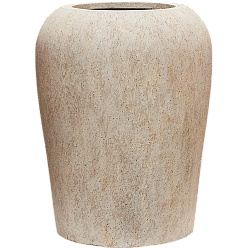
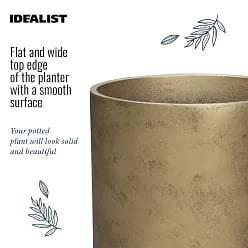
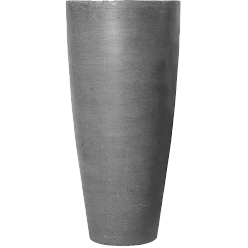
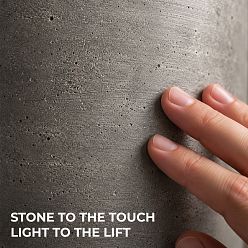
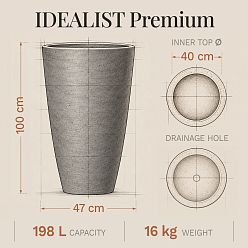
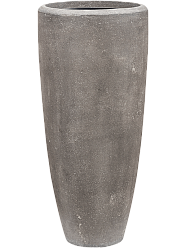
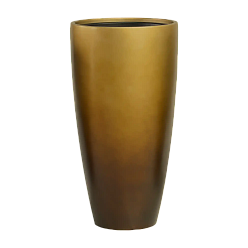
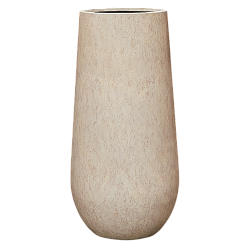
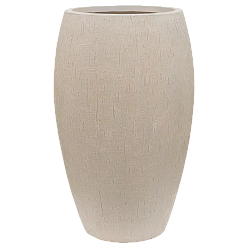
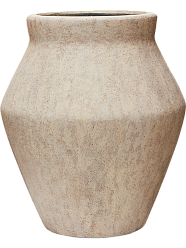
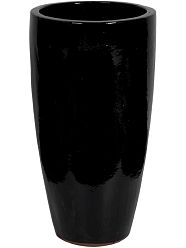
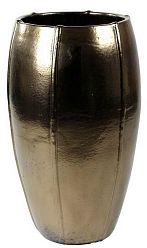
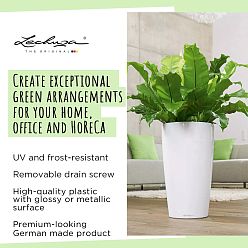
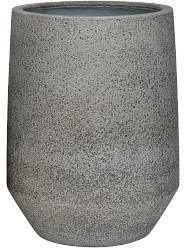
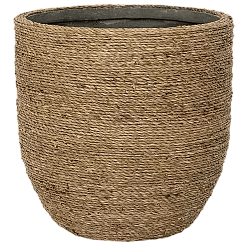
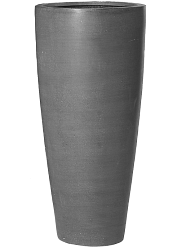
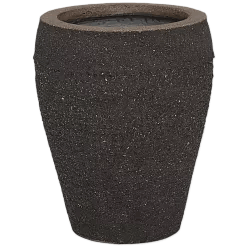
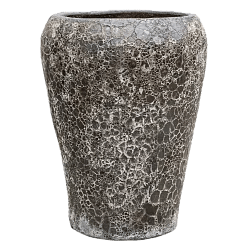
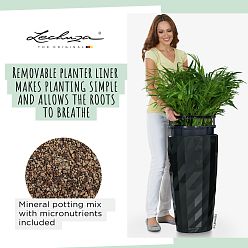
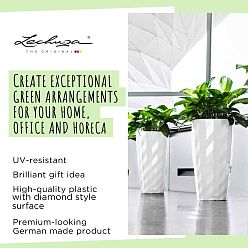
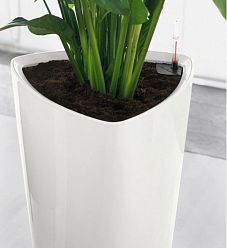
The Getpotted tall planter range spans everything from compact 40 cm statement pieces to floor-standing planters reaching 90 cm and beyond — across fibreclay, ficonstone, fiberglass, poly resin, premium plastic, ceramic and GRC materials — so there's a genuine option for every setting, style and budget.
How to Arrange Tall Planters
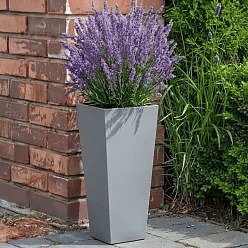
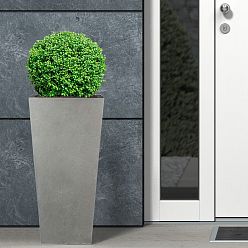
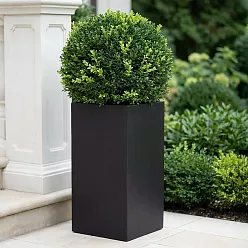
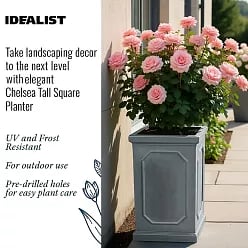
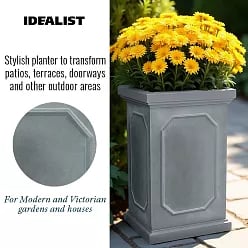
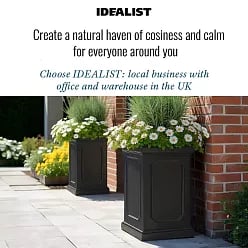
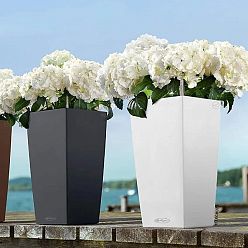
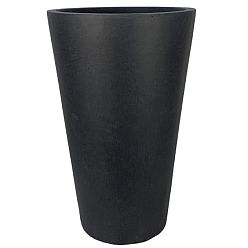
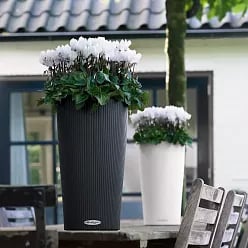
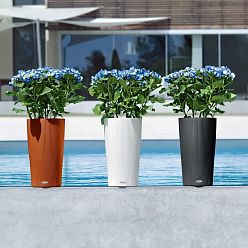
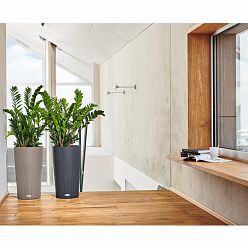
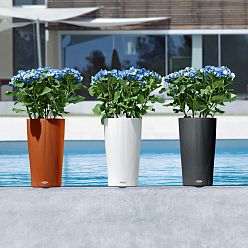
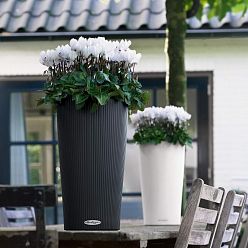
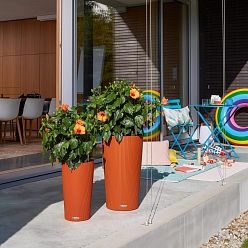
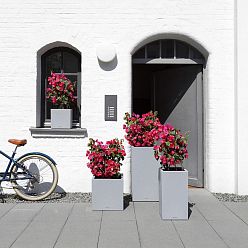
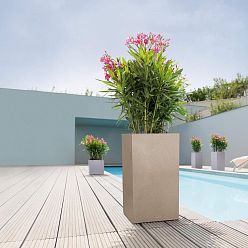
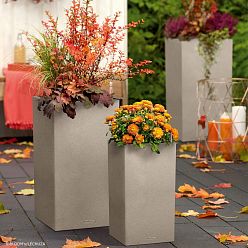
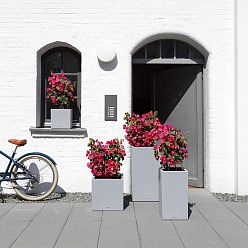
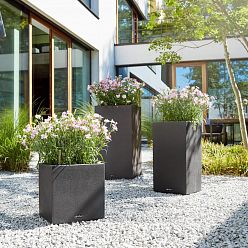
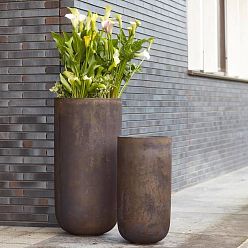
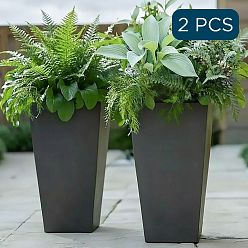
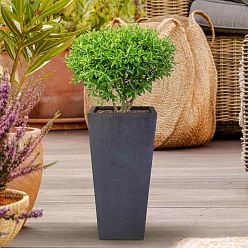
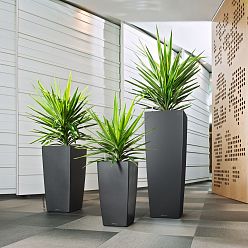
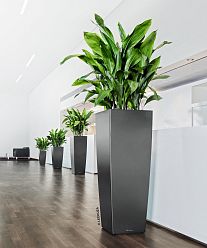
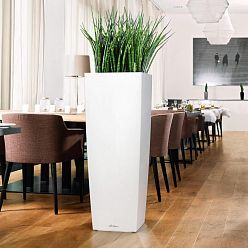
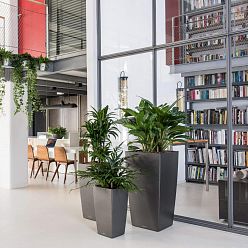
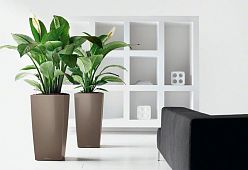
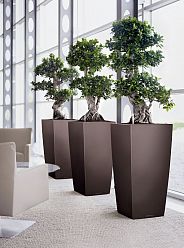
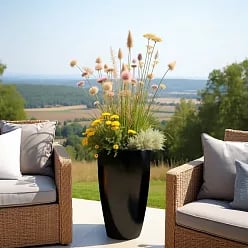
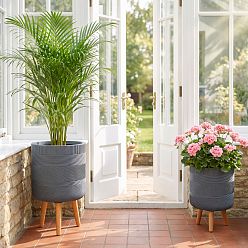
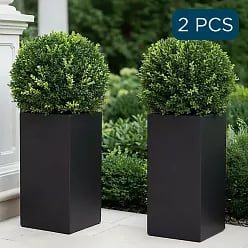
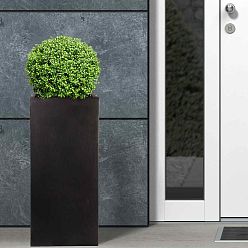
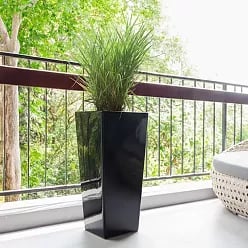
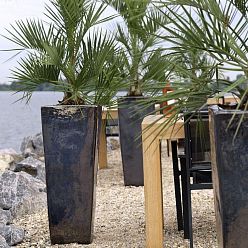
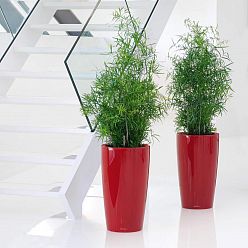
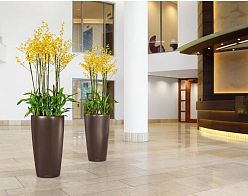
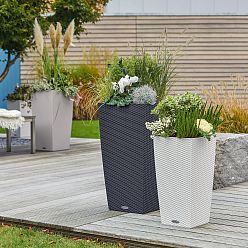
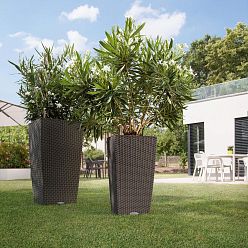
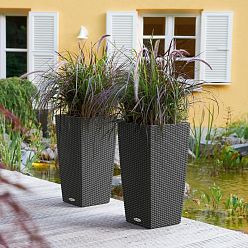
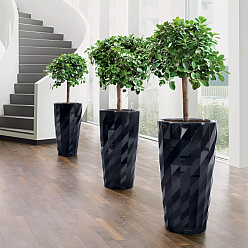
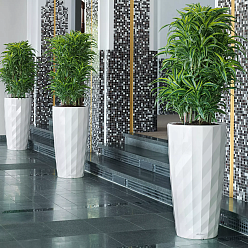
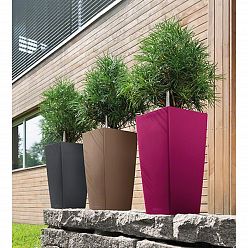
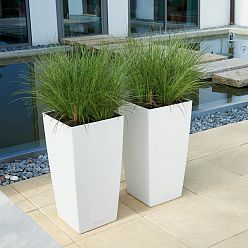
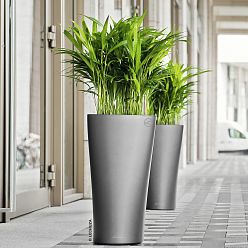
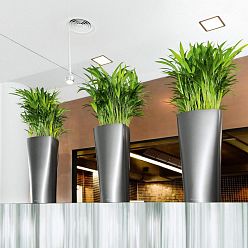
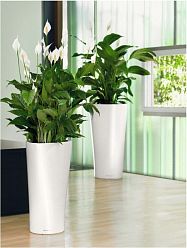
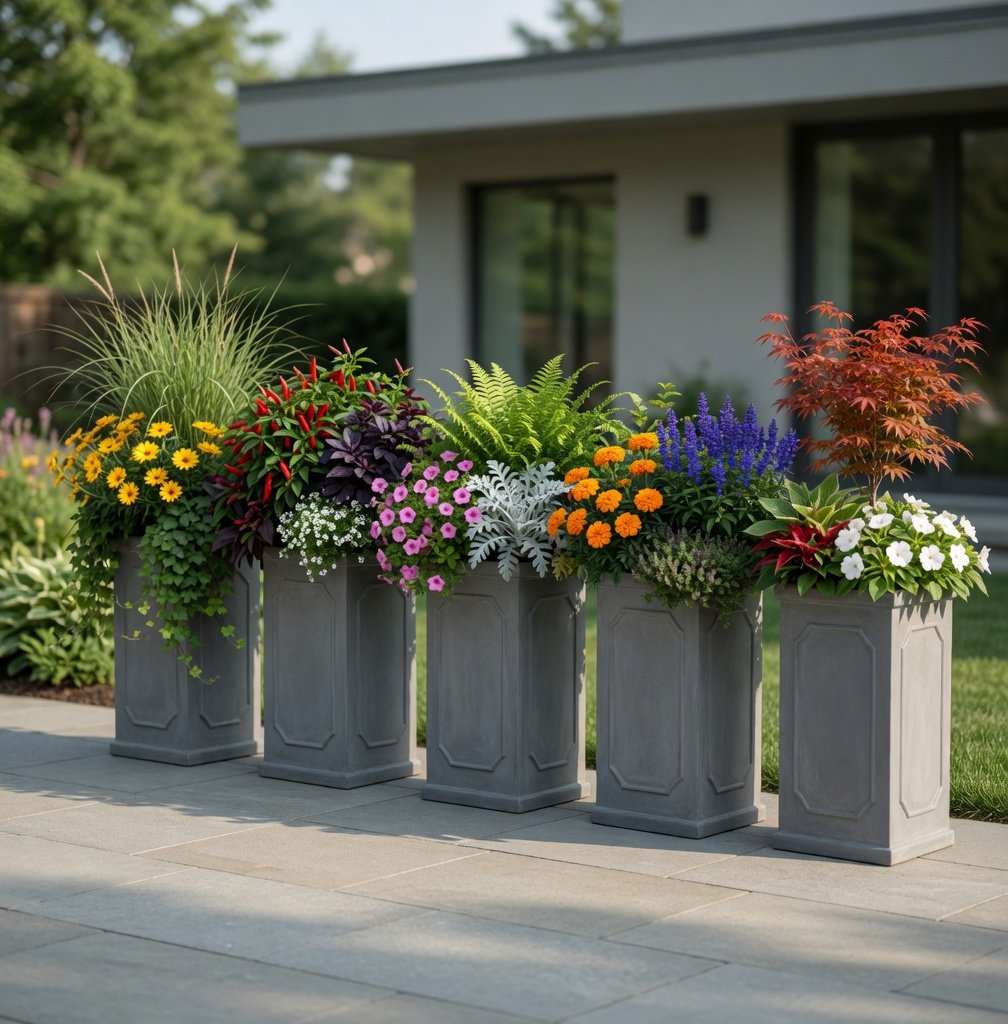
Tall planters reward confident placement. A single large tall planter positioned with intent — at the corner of a patio, beside a front door or at the end of a garden path — reads as a deliberate design choice. A pair of identical tall planters flanking a doorway or gate is one of the most classically effective uses of the form, and works equally well in contemporary and traditional settings. For a terrace or courtyard, a row of matching tall cylindrical planters along a wall or fence creates a strong, modern backdrop for seating. Vary the heights only if you're deliberately creating an asymmetric or naturalistic arrangement — for formal layouts, uniformity is almost always more effective.
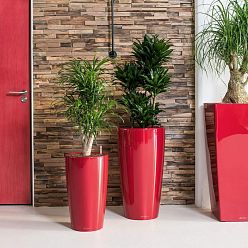
When mixing tall planters with other sizes in the same space, always place the tall pots first and build the arrangement outward from them. Position the largest piece where you want the eye to travel first, then bring in medium and smaller planters around it rather than trying to integrate tall pots into an arrangement after the fact.
Why Getpotted?
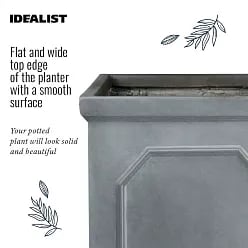
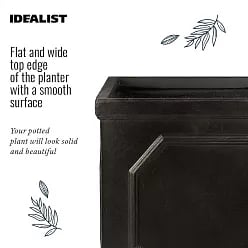
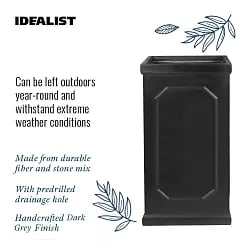
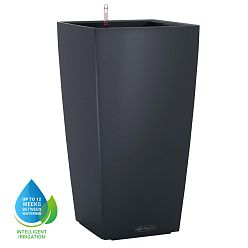
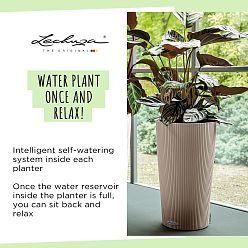
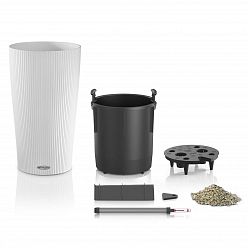
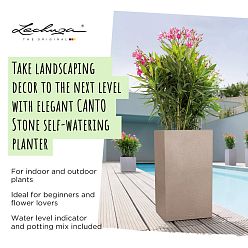
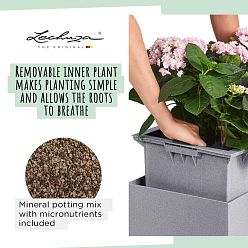
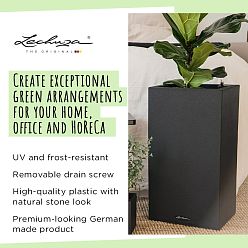
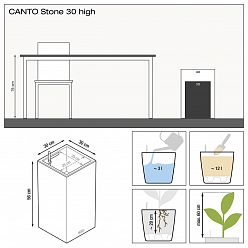
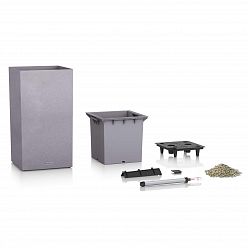
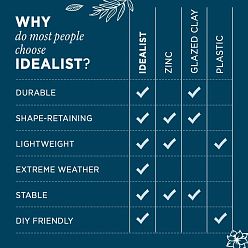
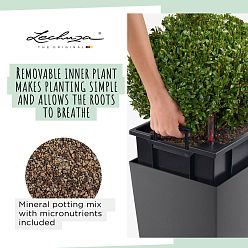
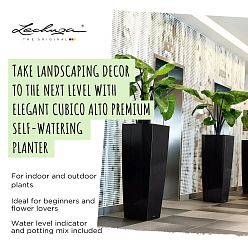
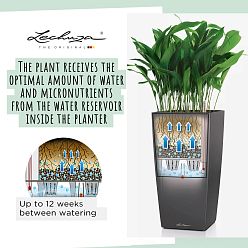
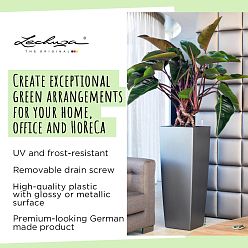
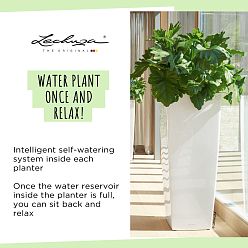
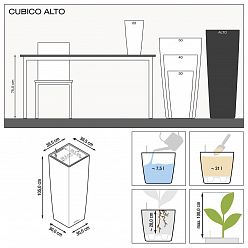
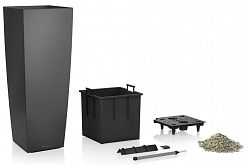
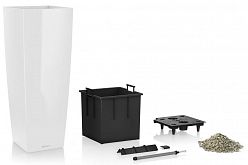
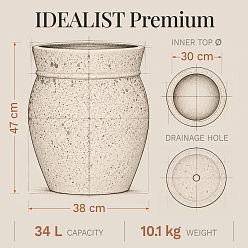
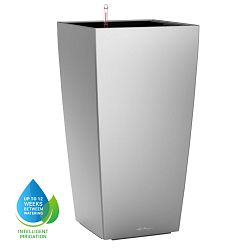
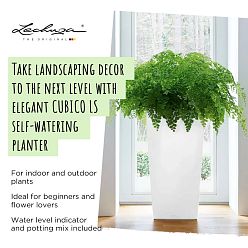
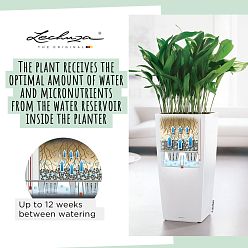
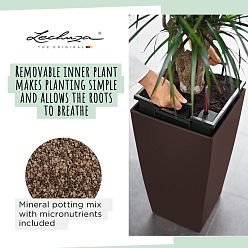
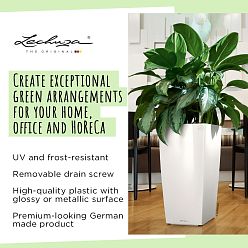
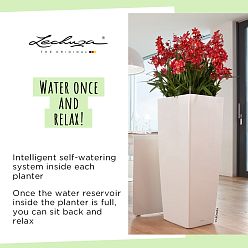
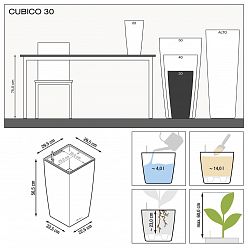
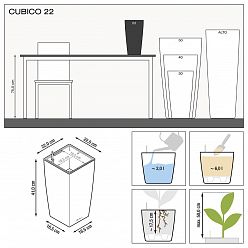
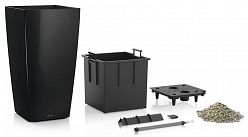
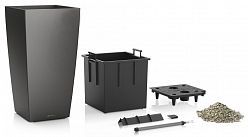
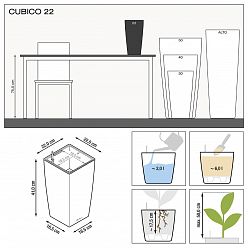
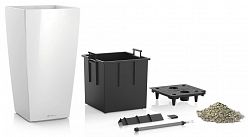
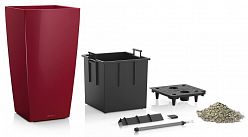
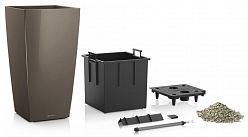
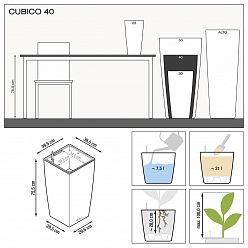
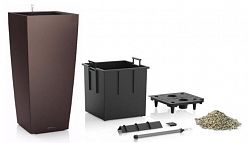
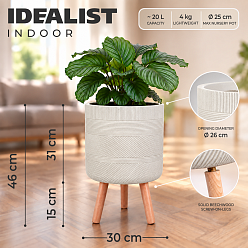
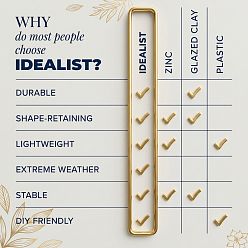
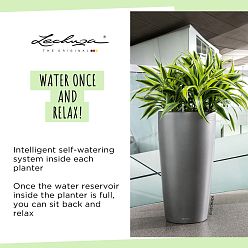
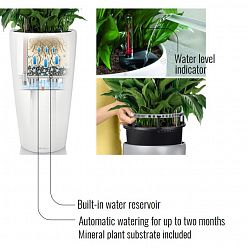
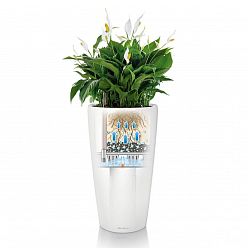
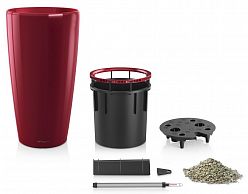
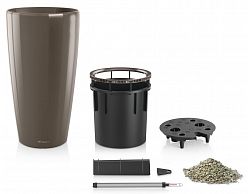
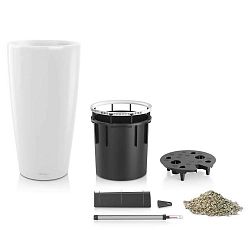
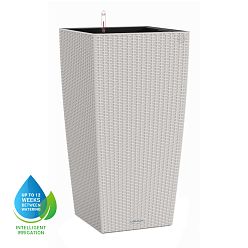
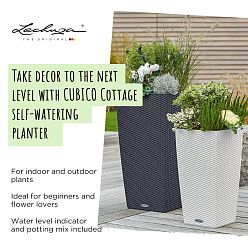
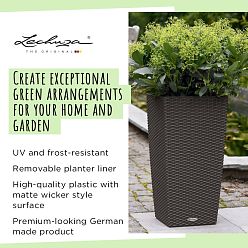
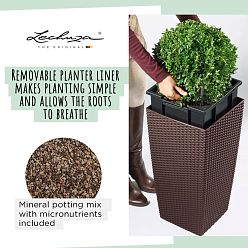
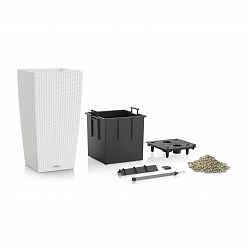
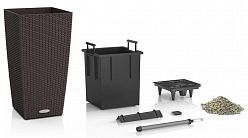
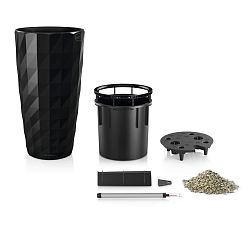
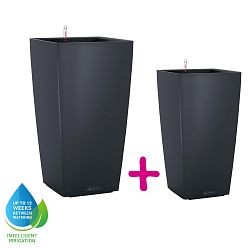
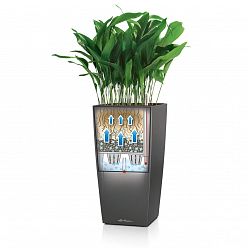
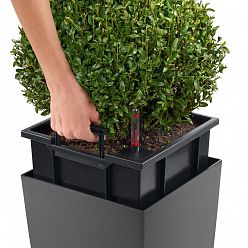
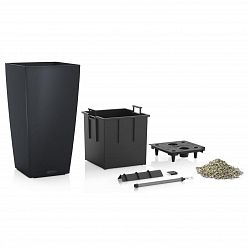
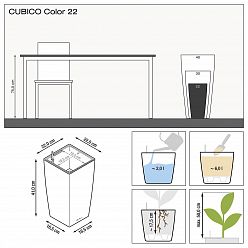
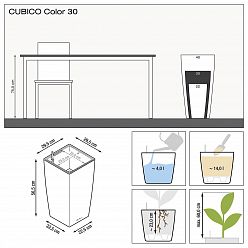
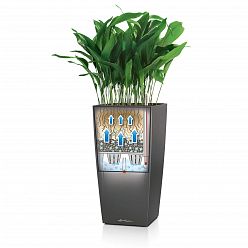
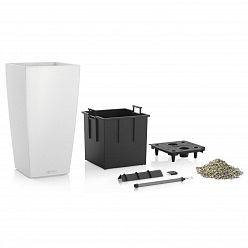
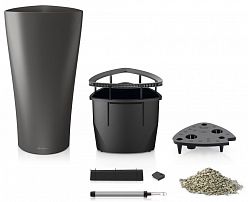
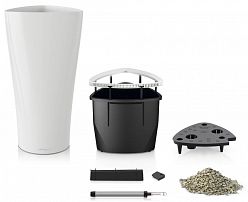
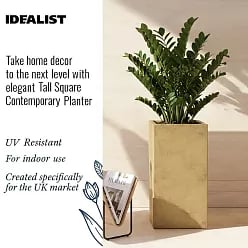
Tall planters need to be right — a poorly made pot at this scale, planted and positioned, is not easy to ignore. At Getpotted, the tall planter range is curated with that in mind. We're the official UK distributor for LECHUZA, whose CUBICO ALTO self-watering tall planters are widely regarded as the benchmark in precision-engineered tall planting. Our own IDEALIST and IDEALIST Lite brands are designed and quality-checked in-house, with returns and replacements handled directly by our team in Dunstable — no third-party runaround. Rated 4.7 stars on Trustpilot by over 2,700 verified customers, with reviewers regularly highlighting the care taken with packaging on larger items, we're a company that takes the responsibility of sending a premium product seriously.

FAQ — Tall Planters
What height qualifies as a "tall" planter?
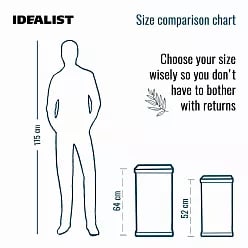
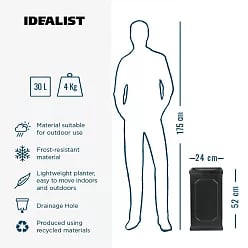
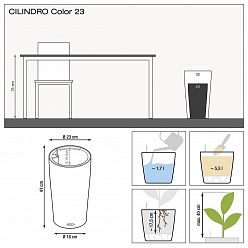
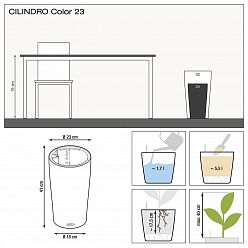
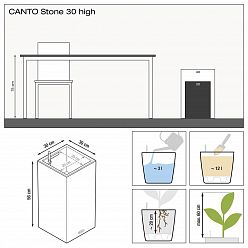
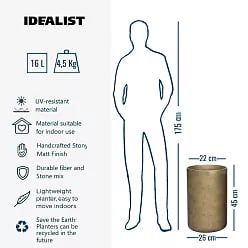
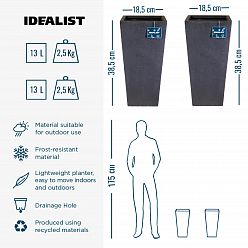
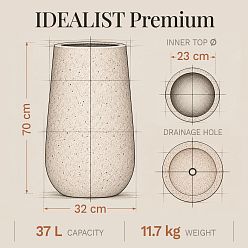
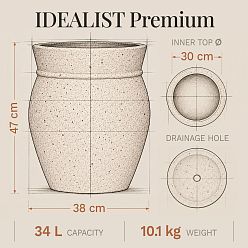
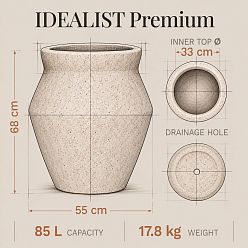
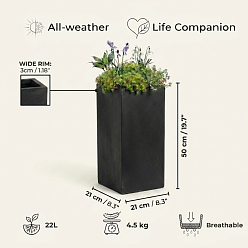
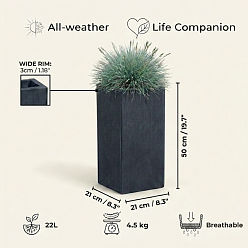
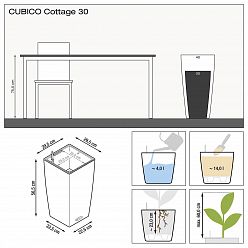
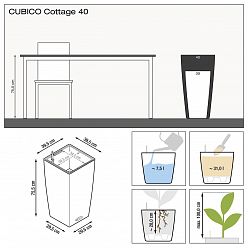
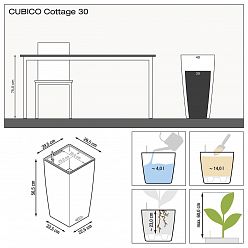
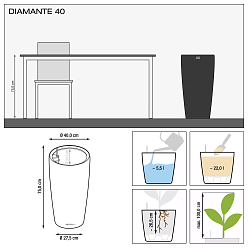
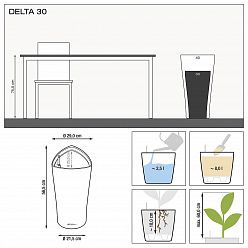
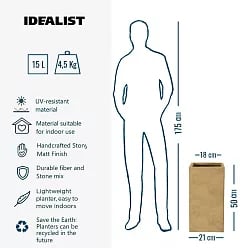
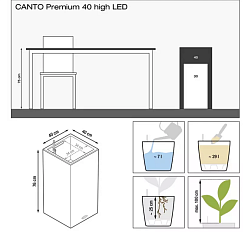
At Getpotted the tall category generally covers pots from around 40 cm upward, with most popular sizes falling between 50 and 90 cm. Heights and internal depths are listed on every product page — always check internal depth alongside overall height, as a narrow-based tall planter may have less root volume than it appears.
What plants suit tall planters best?
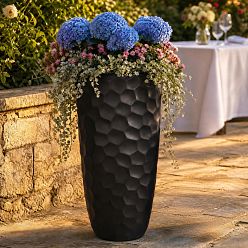
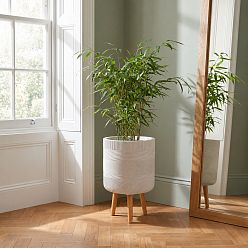
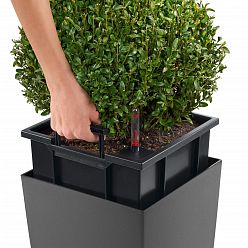
Standard bay, olive, box topiary and bamboo are classic outdoor choices. Indoors, snake plants, fiddle leaf figs, monstera and dracaena look excellent in tall cylindrical or square pots. Trailing plants — rosemary, ivy — also work well, spilling down the sides to soften the pot's hard edges.
Are tall planters stable enough in exposed outdoor positions?
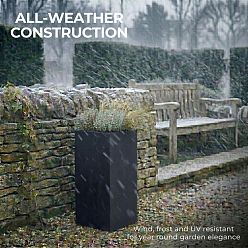
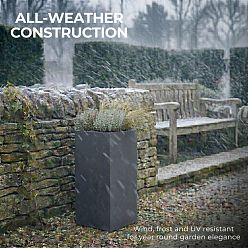
Stability depends on base width relative to height. Square cube designs are more stable than narrow cylinders. In exposed spots, heavier materials add wind resistance. For lighter tall planters in windy positions, add gravel or sand to the base before planting to lower the centre of gravity.
Can tall planters be used indoors without damaging floors?
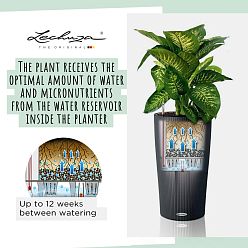
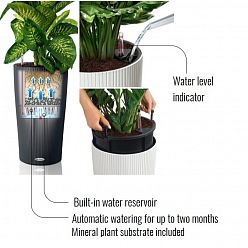
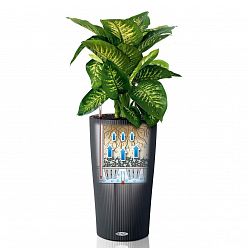
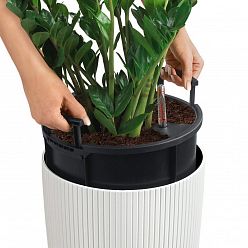
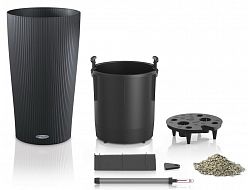
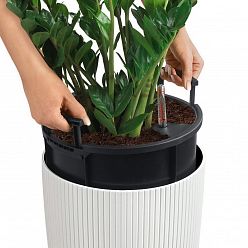
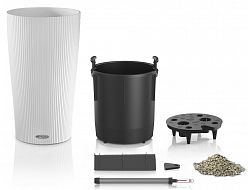
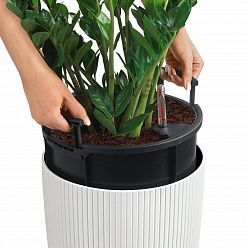
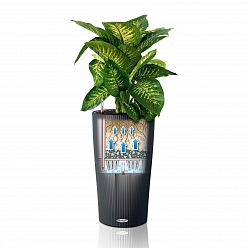
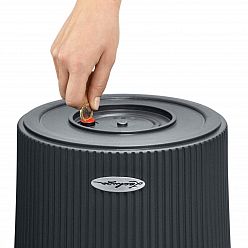
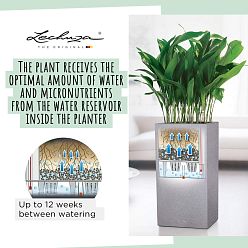
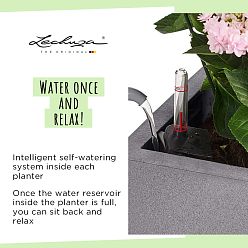
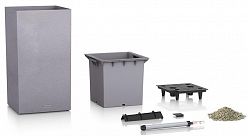
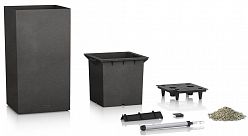
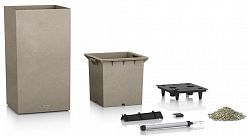
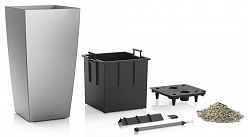
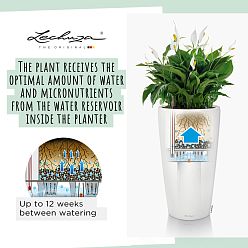
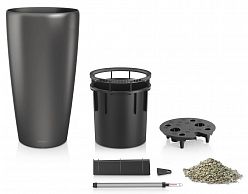
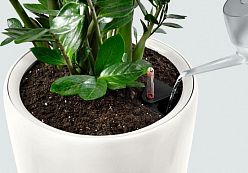
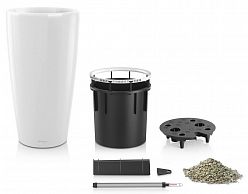
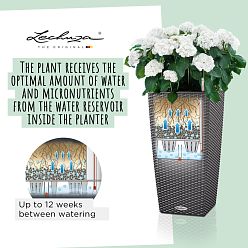
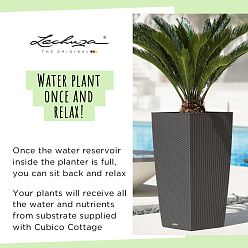
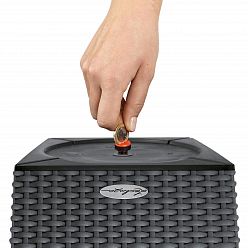
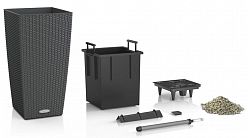
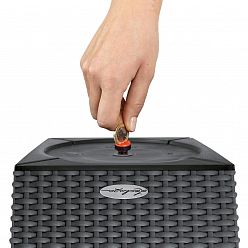
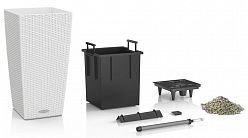
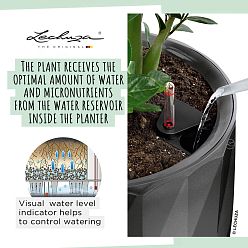
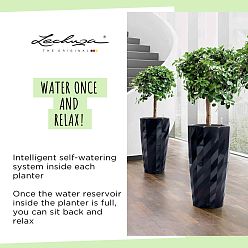
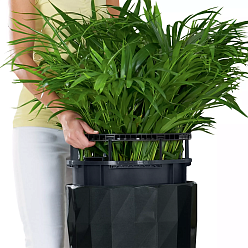
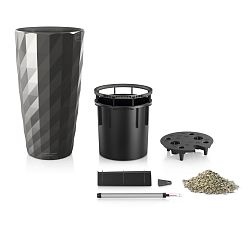
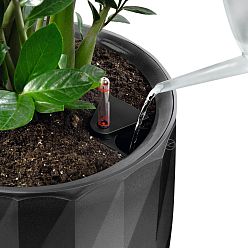
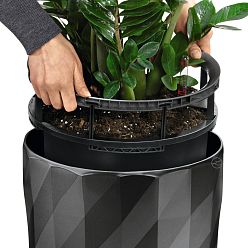
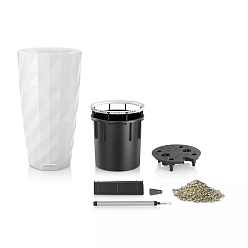
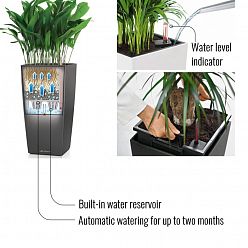
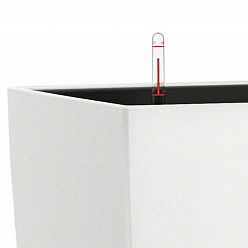
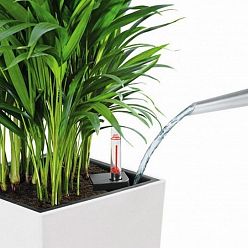
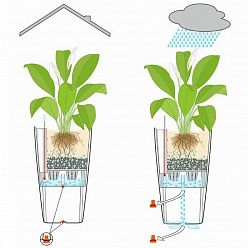
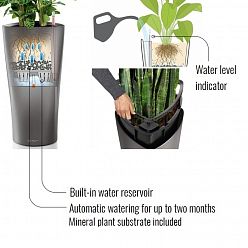
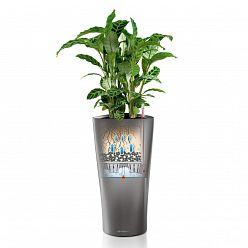
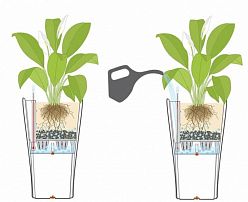
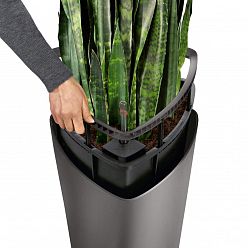
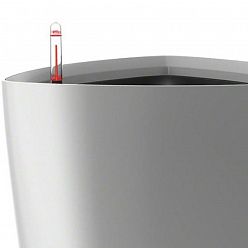
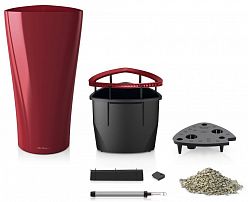
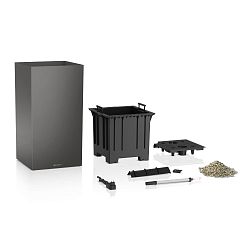
Yes, with preparation. Pots with drainage holes need a well-fitting saucer or a plastic liner. For hard floors, felt pads under the pot prevent scratching. LECHUZA self-watering tall planters have a closed-base reservoir — no drainage needed, genuinely floor-safe straight out of the box.
How do I avoid waterlogging in a deep tall planter?
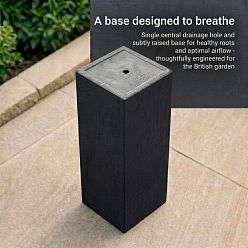
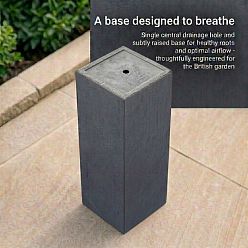
Add a 5–8 cm layer of gravel or crocks at the base before compost to keep the drainage hole clear. Use a free-draining compost mix and consider adding perlite. For very deep pots, filling the lower third with lightweight material — pumice or horticultural foam — reduces weight and improves drainage without cutting root space.
Do tall planters work well on balconies and roof terraces?
They can be very effective, but check load-bearing capacity first — a large fibreclay tall planter filled with compost and a mature plant is heavier than it looks. Lightweight materials such as fiberglass or poly resin are the better choice for elevated settings. Choose a design with a broad base, or add ballast at the base to reduce tipping risk in strong wind.