
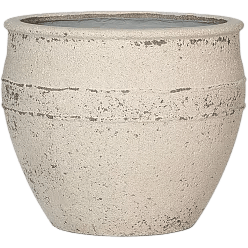
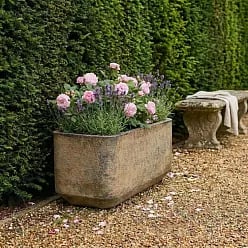
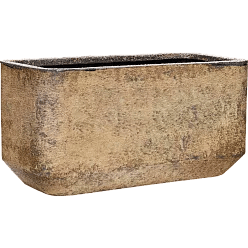
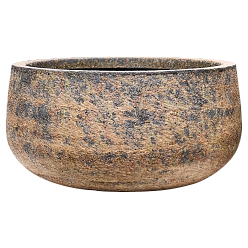
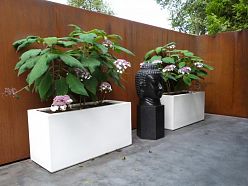
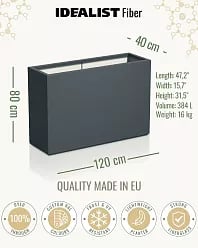
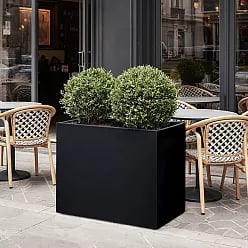
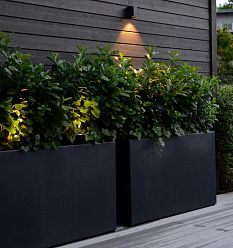
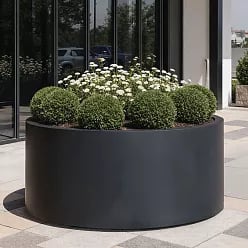
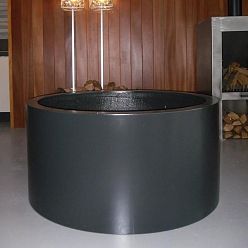
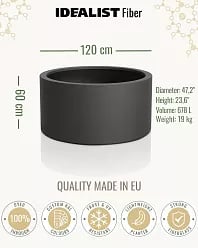
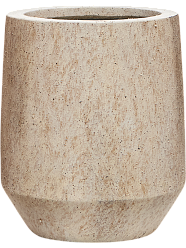
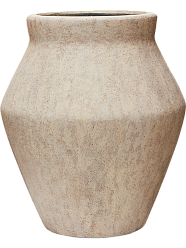
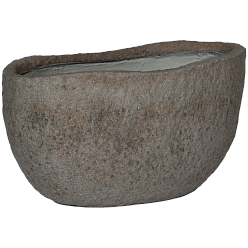
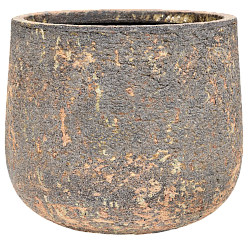
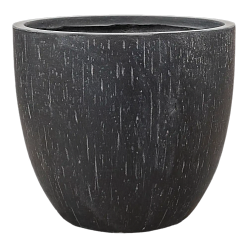
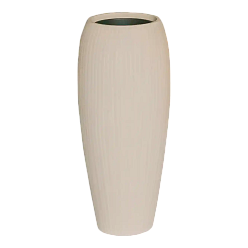
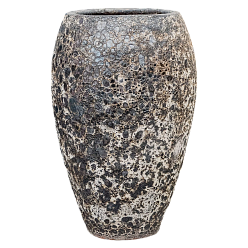
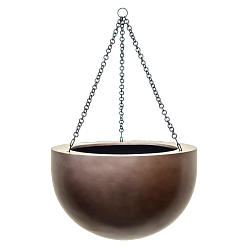
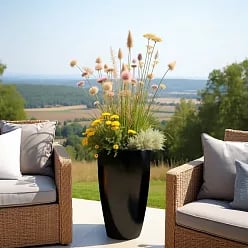
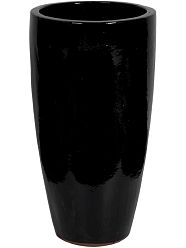
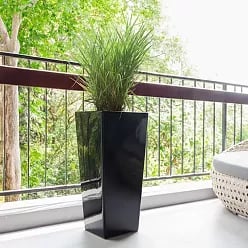
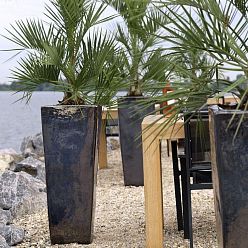
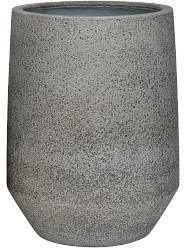
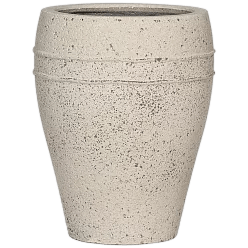
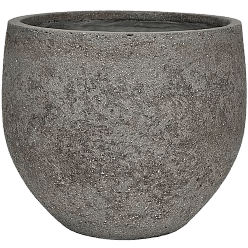
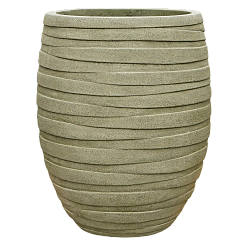

Why an Outdoor Planter Deserves Premium Construction
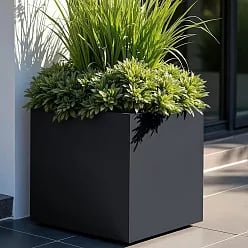
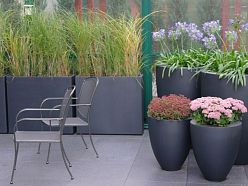
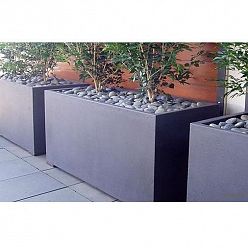
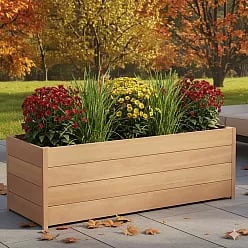
Outdoor planters do harder work than most people give them credit for. They handle rain, frost, UV, wind, root pressure from established plants, and years of temperature swings — all of which reveal any weakness in construction sooner rather than later. A cheap outdoor pot is a two-to-three-year purchase; a premium one is a fifteen-year one. That's the entire economic case for premium outdoor planters, and it's the case that matters most.
Frost resistance that actually holds up
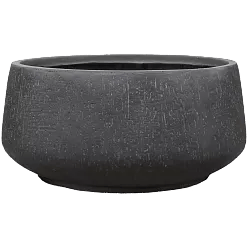
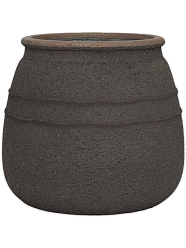
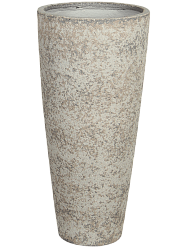
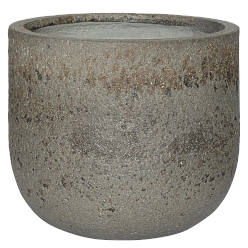
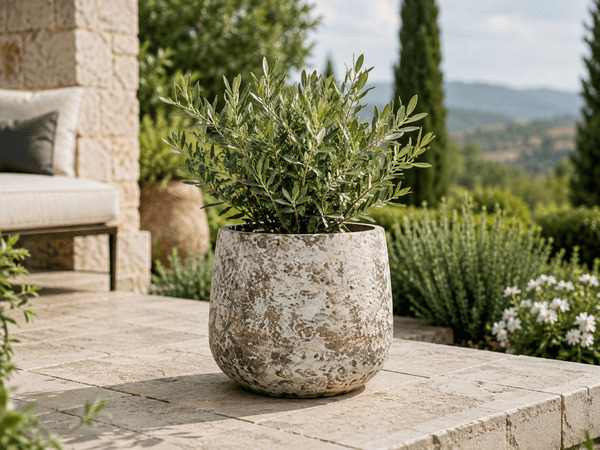
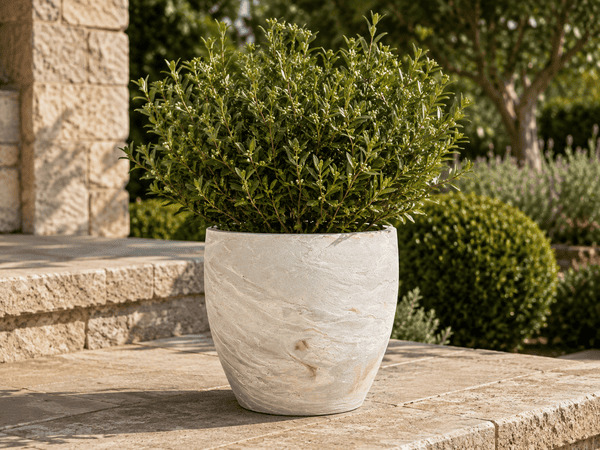
A UK winter delivers repeated freeze-thaw cycles that expose any porosity in a planter's material. Premium outdoor planters — LECHUZA poly resin, IDEALIST Premium fiberstone and fibreclay, quality fiberglass — are formulated and tested for sustained sub-zero exposure without cracking, spalling or delaminating. The frost rating on premium products is engineered, not nominal.
UV stability across years, not seasons
UK sunlight is milder than continental summer sun, but delivers enough UV over years to chalk, fade or yellow unprotected finishes. Premium outdoor planters use pigments and material formulations engineered for long-term UV exposure — the colour depth you see in year one is the colour depth you see in year ten. Cheaper outdoor pots often visibly age within two or three summers.
Structural weight & wind stability
Outdoor planters face wind that indoor pots never encounter. Premium fiberstone and fibreclay carry the base weight to stay planted through storms; LECHUZA poly resin and premium fiberglass use engineered base geometry to hold stable at lighter weights. Cheap outdoor planters often tip once the plant matures and starts catching wind — a small problem that becomes a routine one.
Load-bearing engineered for long-term planting
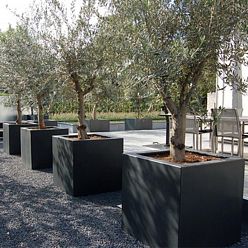
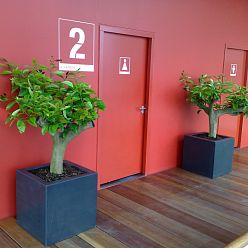
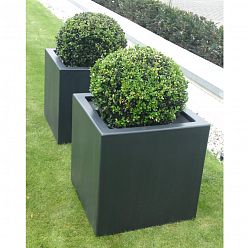
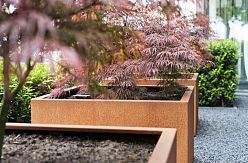
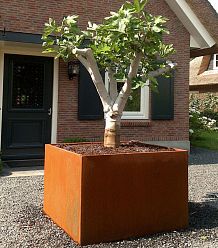
Outdoor planting often stays in the same pot for years. Olive trees, standard bays, Japanese maples, box balls and mature shrubs put steady structural pressure on a container from the roots outward. Premium outdoor planters are built to handle that pressure without bowing, splitting or losing rim geometry. This is what makes a premium outdoor pot a long-term investment rather than a running cost.
Where Premium Outdoor Planters Pay Back Most
What Cheaper Outdoor Planters Fail On
Why Getpotted?
A premium outdoor planter is the kind of purchase that needs to survive years of weather to justify its price — and the buying experience needs to reflect that same commitment to long-term reliability. At Getpotted we handle premium outdoor stock with the care it deserves. We're the official UK distributor for LECHUZA, whose weatherised poly resin planters are among the most trusted outdoor pieces in the category. Our own IDEALIST Premium fiberstone and fibreclay range is designed for UK conditions, quality-checked in-house, and packed for delivery by our team in Dunstable — with the extra protection larger outdoor pieces require. If anything arrives damaged from transit, returns and replacements go through us directly. With a 4.7-star rating on Trustpilot from over 2,700 verified customers, many highlighting how well large outdoor orders arrive, you can invest in a premium outdoor planter with the confidence that Getpotted stands behind it.

FAQ — Premium Outdoor Planters
How long do premium outdoor planters realistically last in UK conditions?
Properly rated premium outdoor planters routinely last ten to fifteen years or more in year-round UK use, with no significant deterioration in appearance or structural integrity. LECHUZA poly resin, IDEALIST Premium fiberstone and quality fiberglass all fall into this range. Cheaper alternatives at the same size typically need replacing every two to four years — meaning three or four cycles of replacement across the same period.
Are all premium outdoor planters truly frost-resistant?
The properly rated ones are, but always check the individual product page before committing to a fully exposed position. Frost resistance on premium products at Getpotted — LECHUZA, IDEALIST Premium, quality fiberglass — is engineered rather than nominal. Some premium glazed ceramics need to come indoors or under cover during severe frosts; the product page notes this where relevant.
Which premium outdoor materials handle wind and exposure best?
Hand-finished fiberstone and fibreclay carry substantial base weight, which naturally helps in windy positions. LECHUZA poly resin and premium fiberglass are lighter but use engineered base geometry to hold stable — particularly relevant for balconies and roof terraces where weight limits matter. For very exposed positions, combining a heavy premium pot with a lower centre of gravity is the most reliable approach.
Can premium outdoor planters be left planted through winter?
Yes — this is one of the main reasons for choosing premium construction. Frost-rated premium outdoor planters can be left in position with the plant intact through UK winters. Ensure drainage remains clear so water doesn't pool and freeze inside the pot; a layer of mulch on top of the compost provides additional protection for the root zone. For particularly severe forecast frosts, moving the pot against a wall gives some protection.
What plants suit premium outdoor planters best?
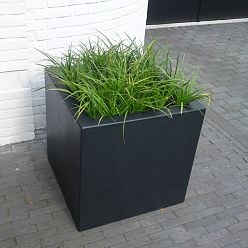
Anything you expect to keep in the same pot for years. Olive trees, standard bays, box topiary balls, Japanese maples, ornamental grasses and mature shrubs all pair well with premium outdoor construction. The pot outlasts the seasonal cycle and continues to look and function properly as the plant grows into it. Premium outdoor pots also suit long-term evergreen structural planting where year-round appearance matters.
Do premium outdoor planters need annual maintenance?
Very little. Once or twice a year, wiping down the exterior with a soft brush and mild soapy water keeps finishes clean; clearing any debris from the drainage holes prevents blockage. Fiberstone and fibreclay may benefit from an occasional sealant refresh after several years — this isn't essential but extends the life of the finish. LECHUZA self-watering planters used outdoors should have the reservoir drained before hard frosts if the pot is left in an exposed position.