


























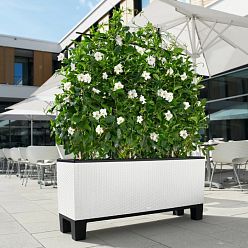

How to Choose a Plastic Planter
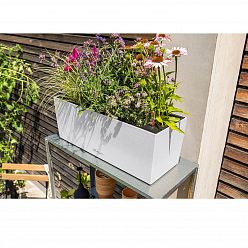
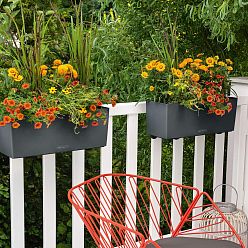
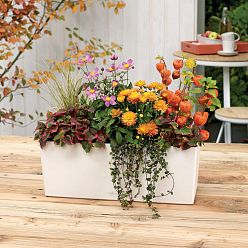
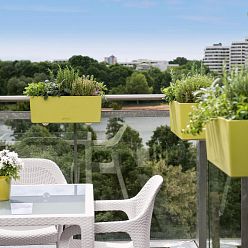
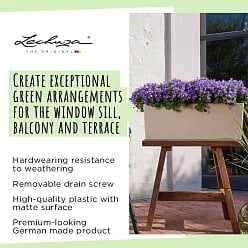
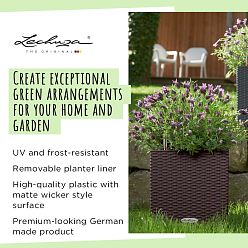
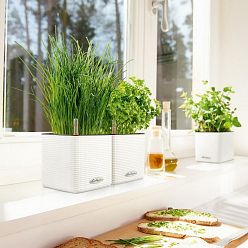
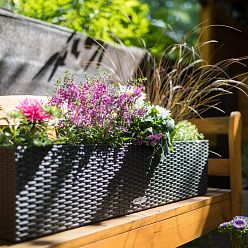
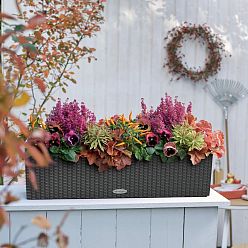
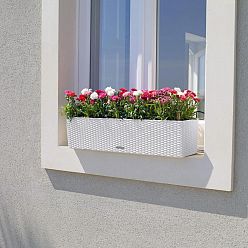
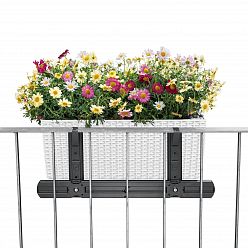
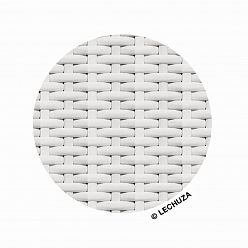
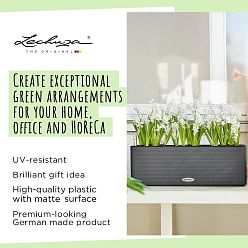
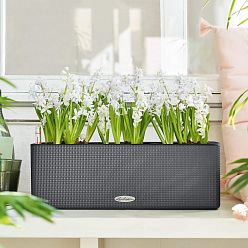
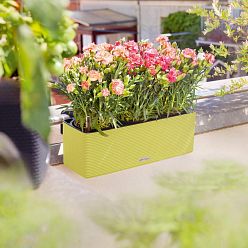
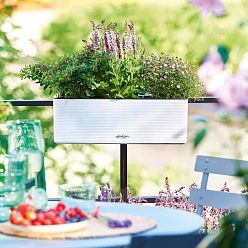
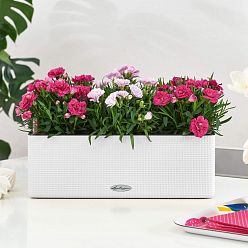
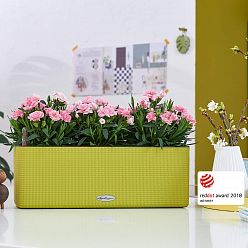
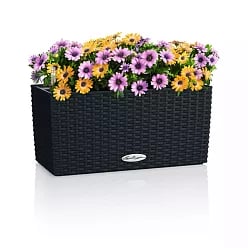
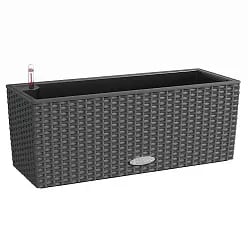
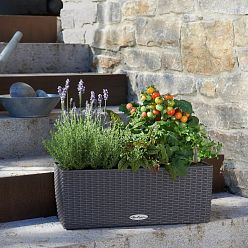
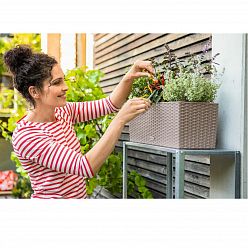
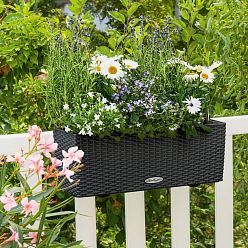
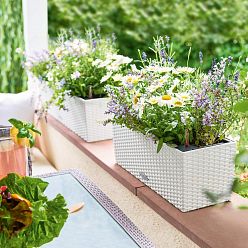
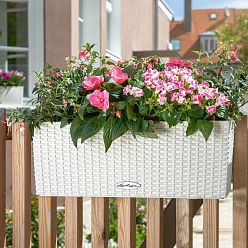
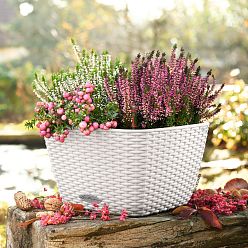
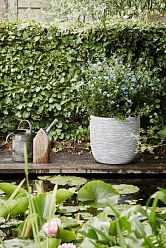
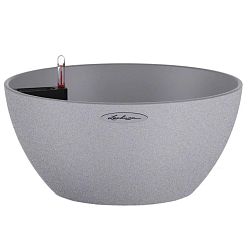
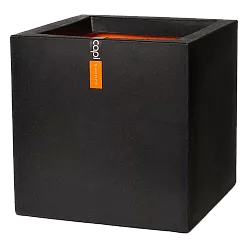
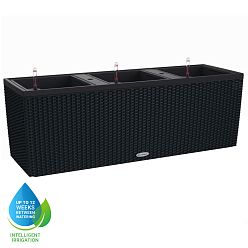
Plastic planters have come a long way from the basic nursery pots of twenty years ago. Today's options — UV-stabilised, frost-resistant, impact-proof — arrive in finishes that convincingly replicate concrete, rattan weave, ribbed stone and brushed surfaces, at a fraction of the weight and cost. If you're planting up a balcony, furnishing a terrace or looking for a reliable indoor pot that won't break the bank, plastic planters deliver real performance without compromise.
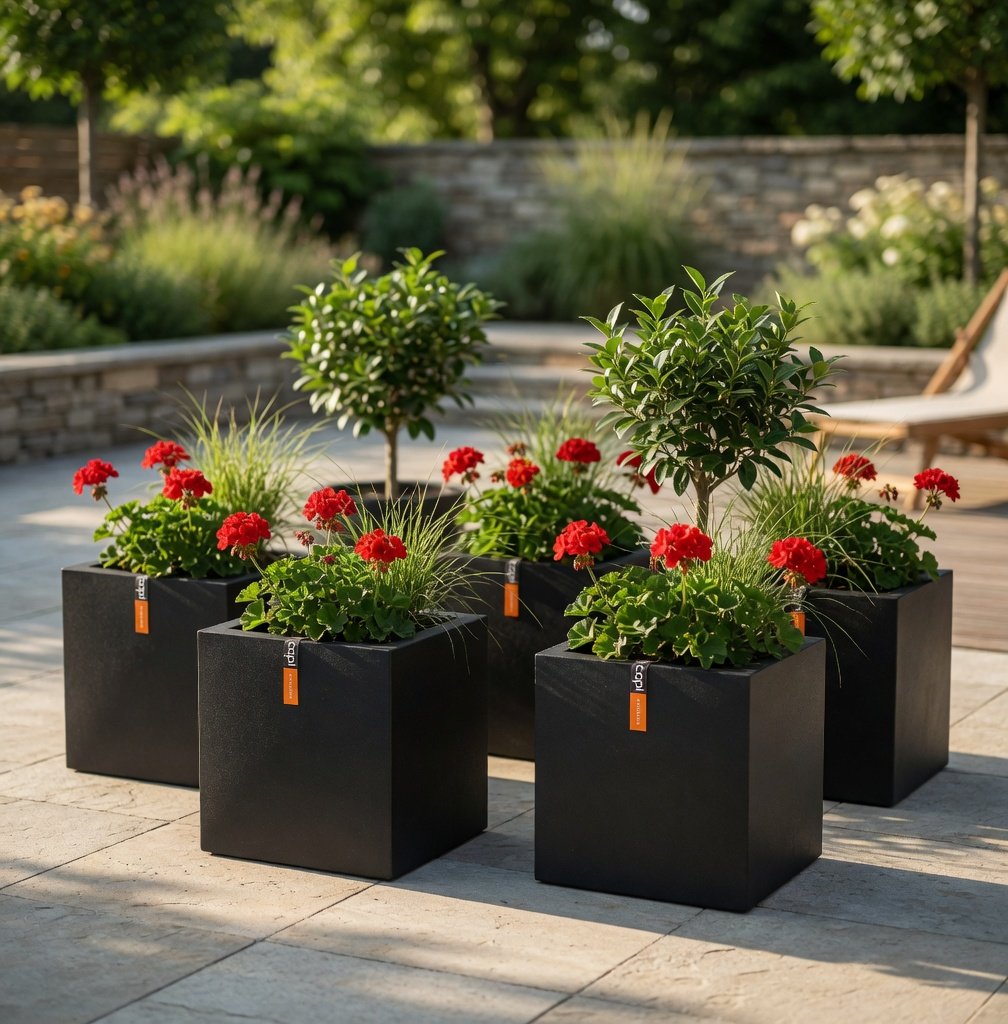
The Practical Case for Plastic
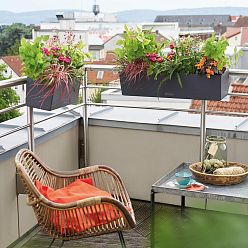
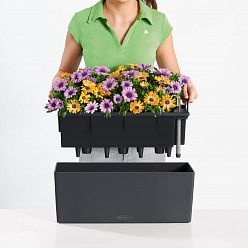
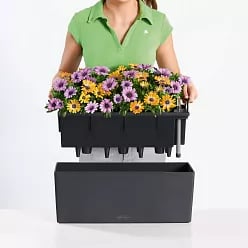
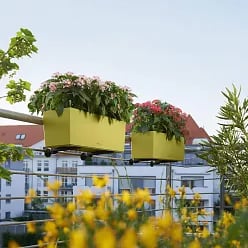
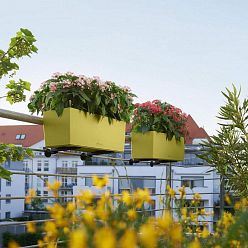
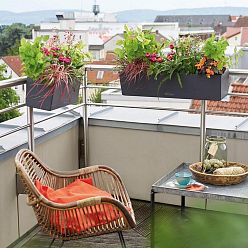
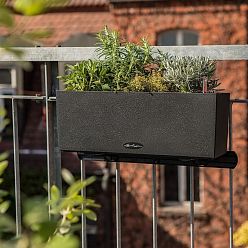
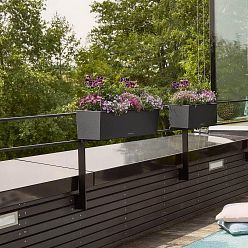
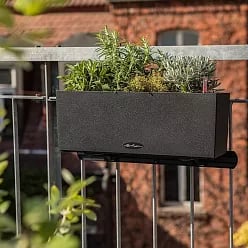
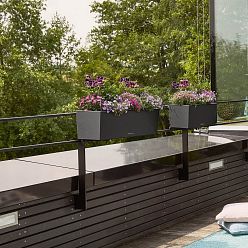
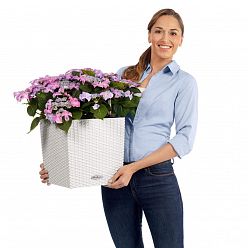
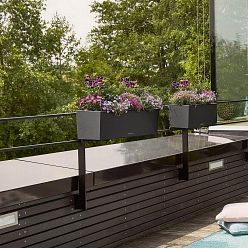
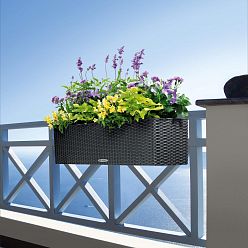
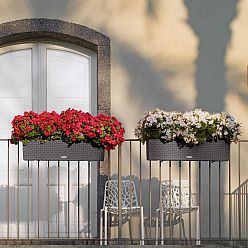
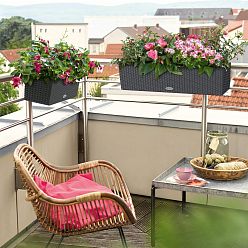
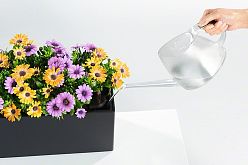
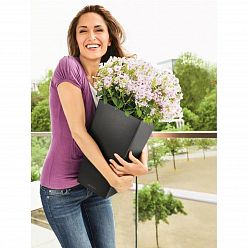
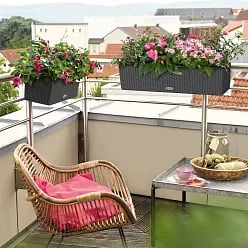
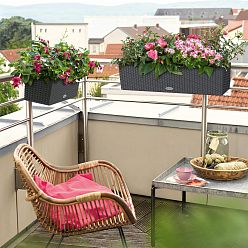
The practical advantages of plastic planters become most apparent once you start using them. They're substantially lighter than clay, stone-effect or GRP equivalents — which matters when you're arranging a balcony, moving pots between summer and winter positions, or furnishing an upper-floor terrace where weight is a genuine constraint. They retain moisture better than terracotta, which means less frequent watering for most plant types. And they're considerably easier to clean — a wipe down with a damp cloth is usually sufficient between seasonal plantings.
For anyone maintaining a larger collection of plants — indoors or out — plastic and premium resin planters offer a sensible combination of performance and value that makes it easy to refresh, expand or rearrange without significant expense.
How to Arrange Plastic Planters Well
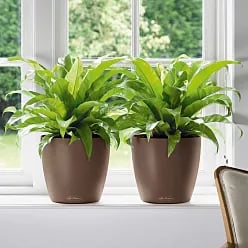
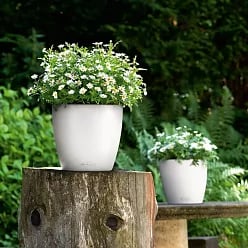
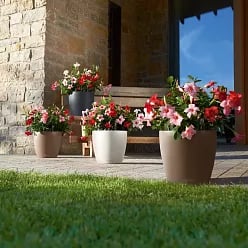
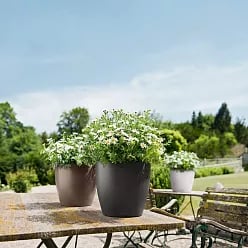
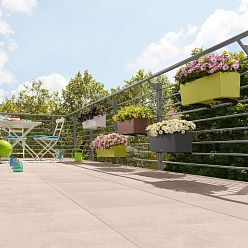
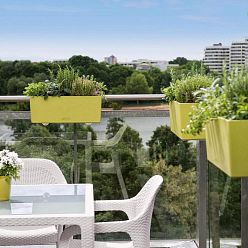
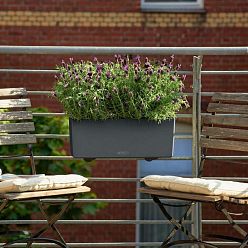
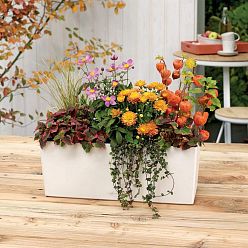
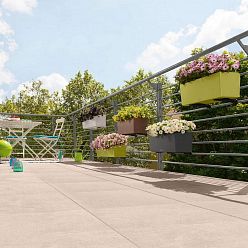
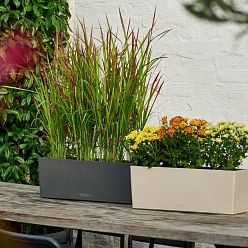
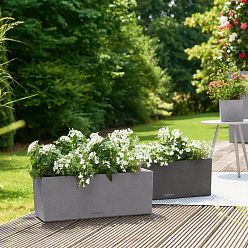
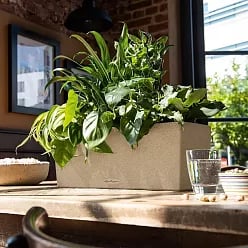
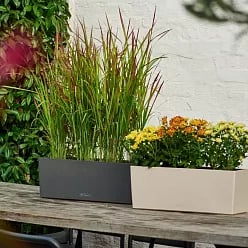
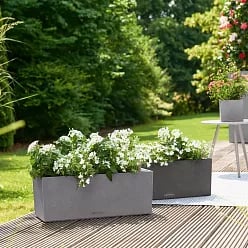
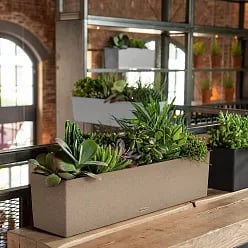
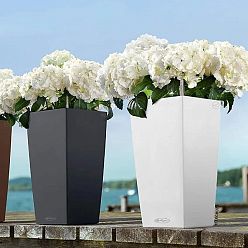
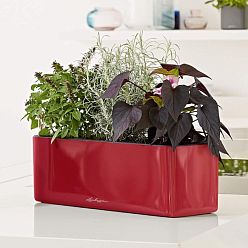
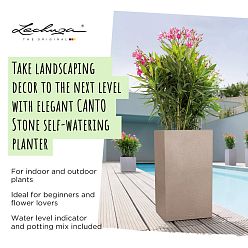
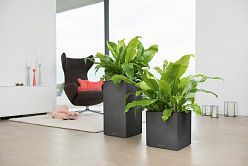
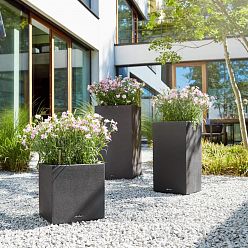
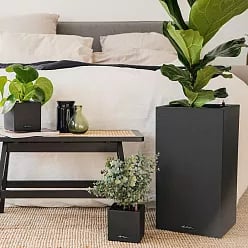
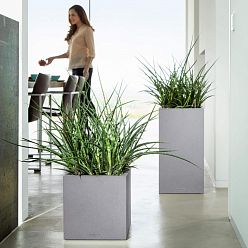
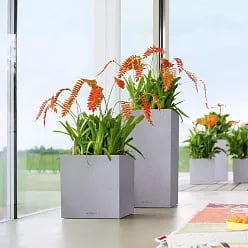
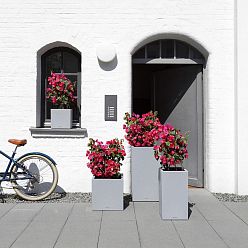
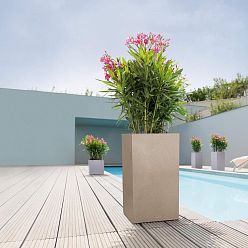
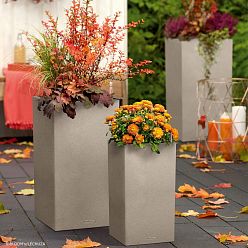
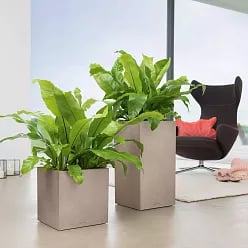
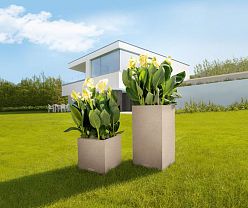
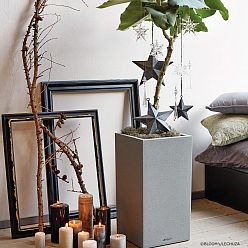
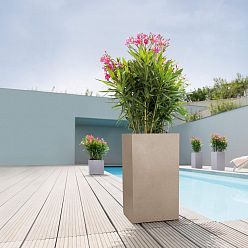
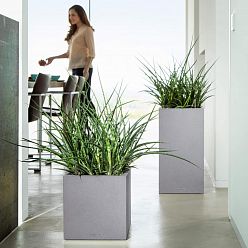
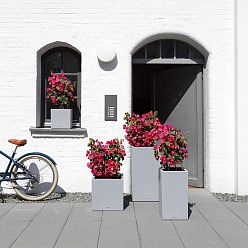
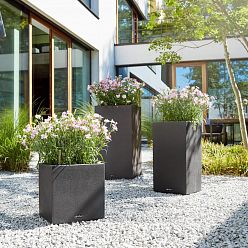
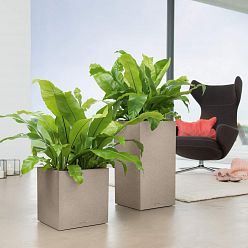
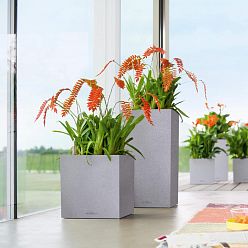
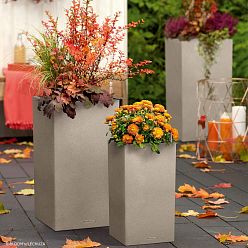
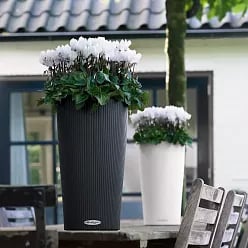
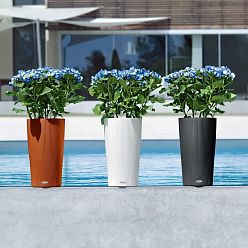
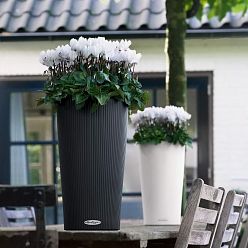
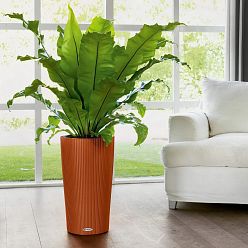
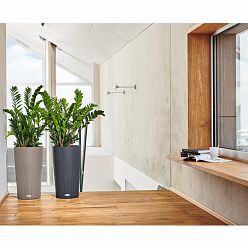
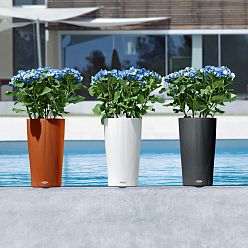
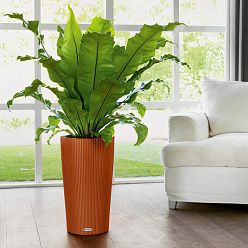
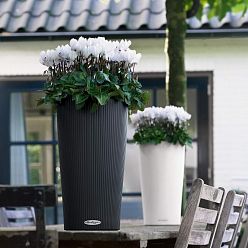
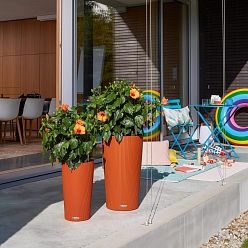
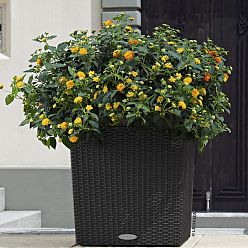
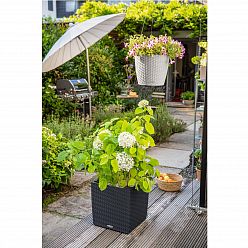
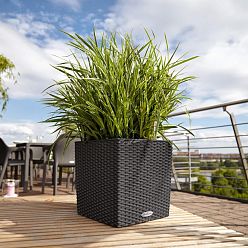
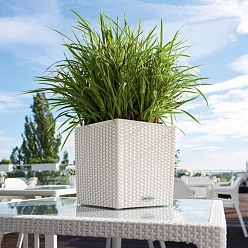
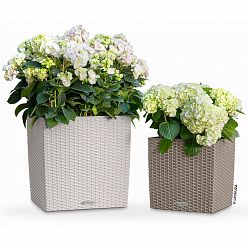
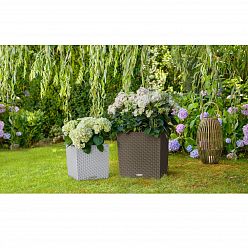
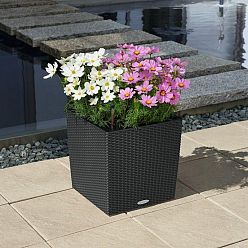
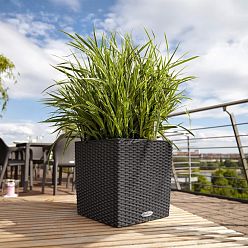
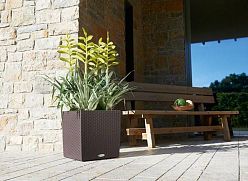
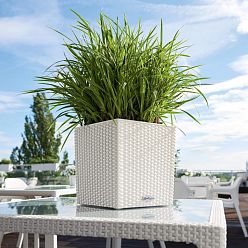
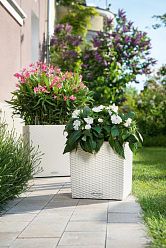
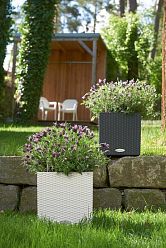
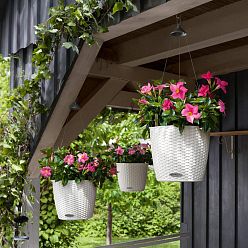
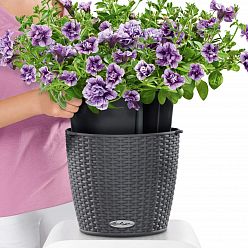
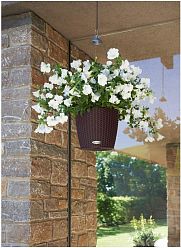
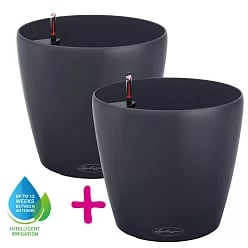
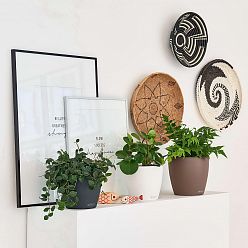
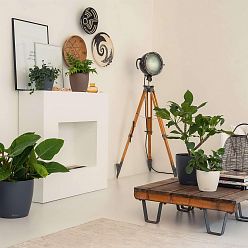
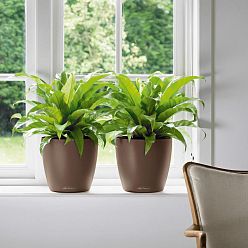
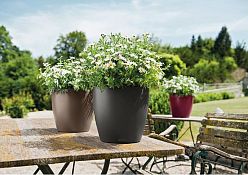
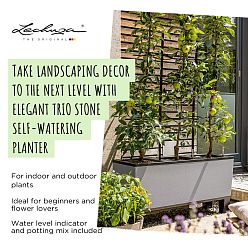
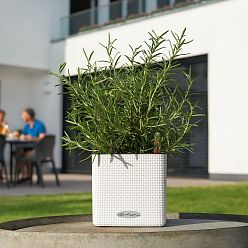
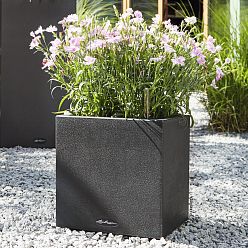
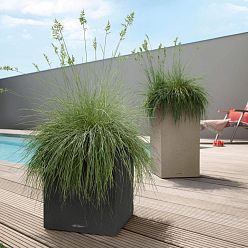
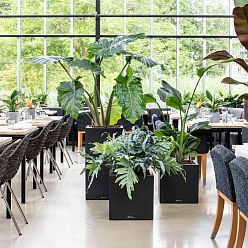
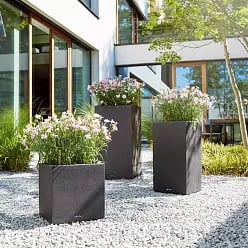
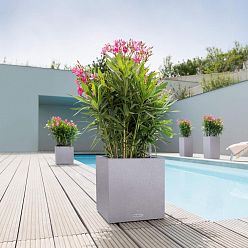
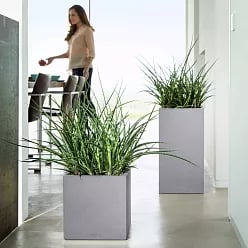
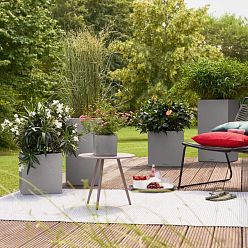
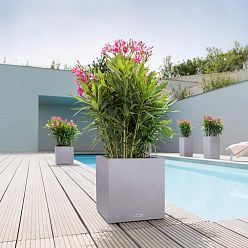
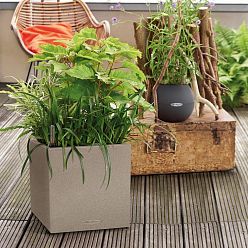
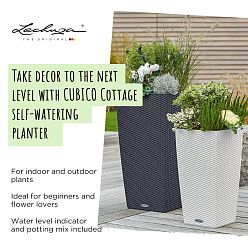
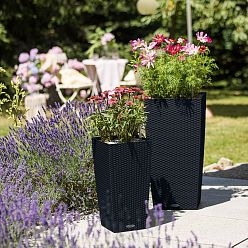
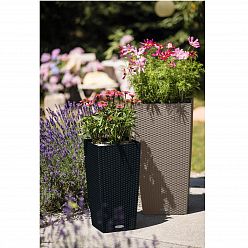
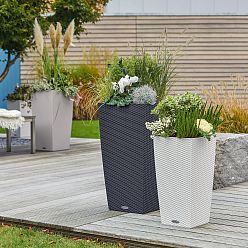
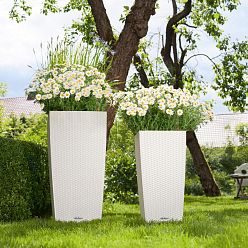
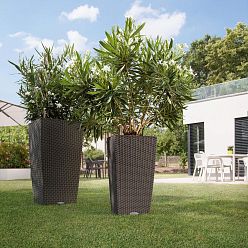
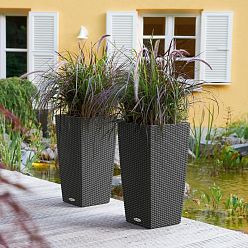
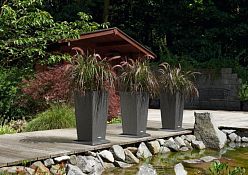
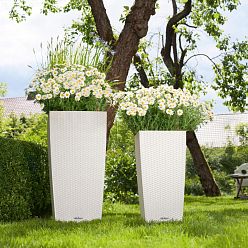
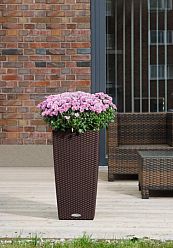
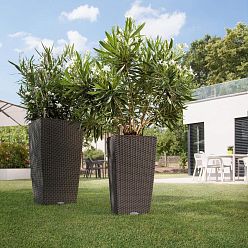
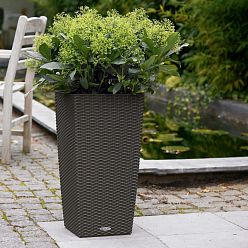
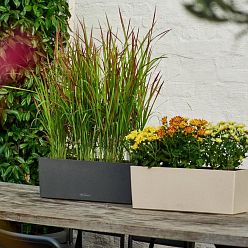
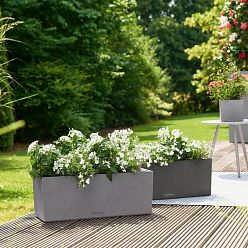
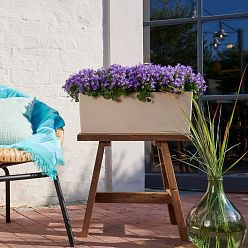
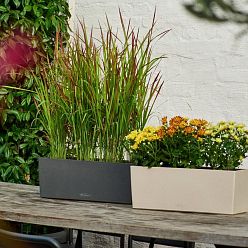
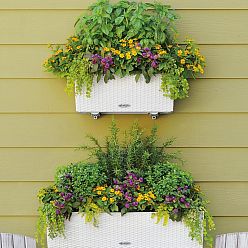
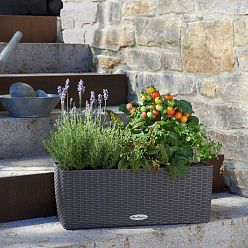
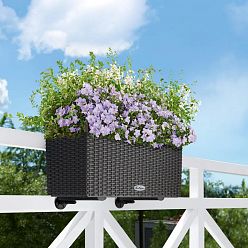
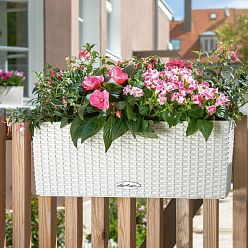
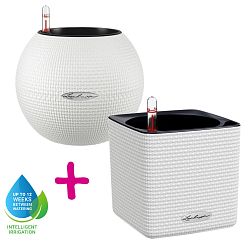
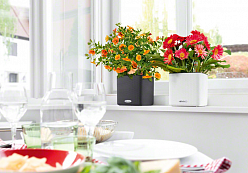
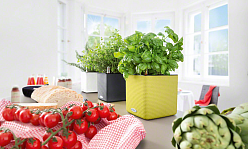
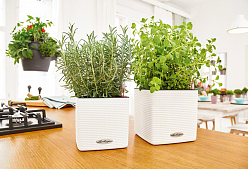
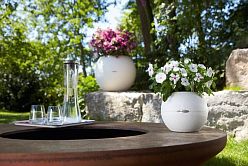
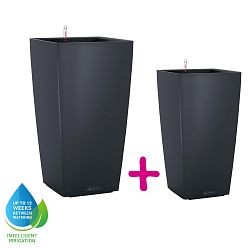
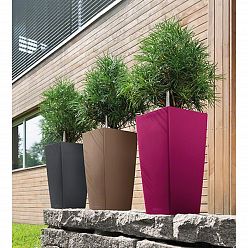
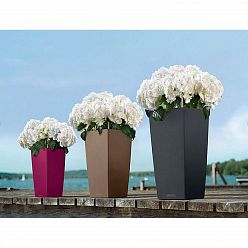
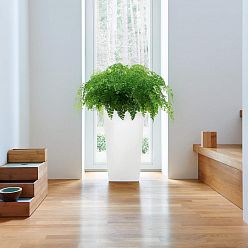
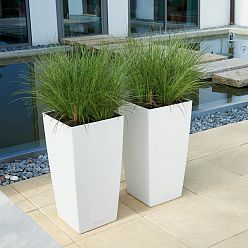
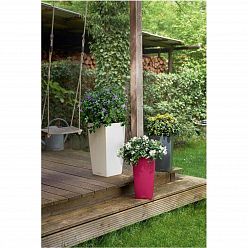
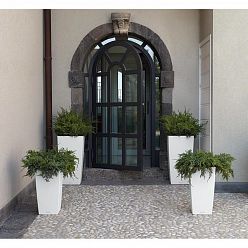
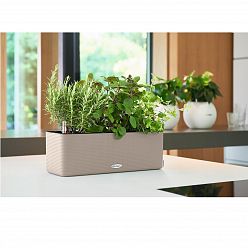
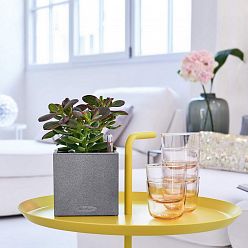
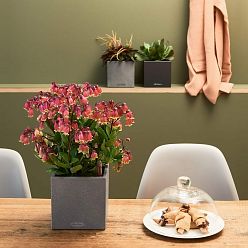
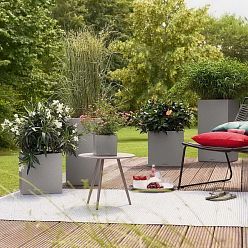
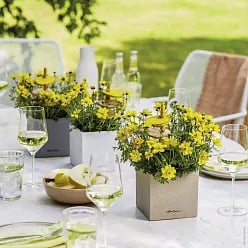
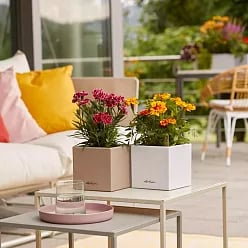
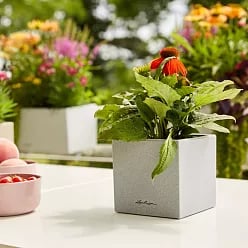
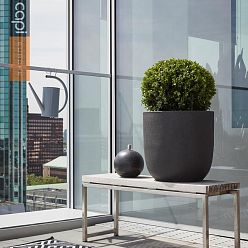
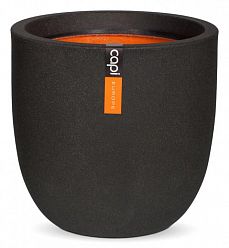
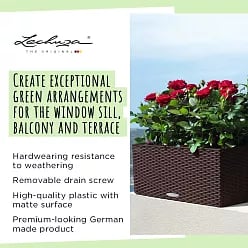
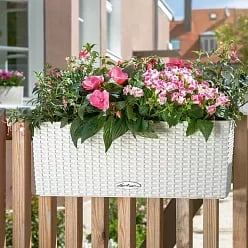
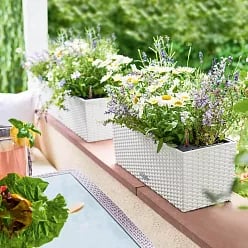
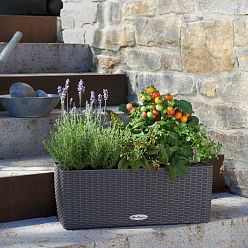
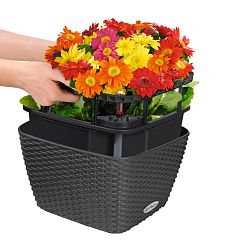
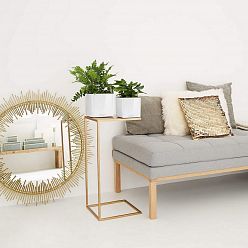
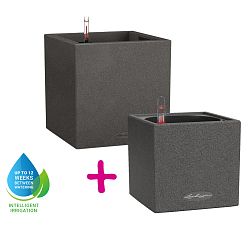
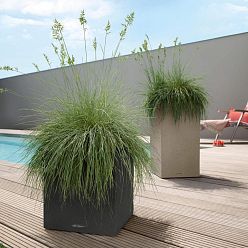
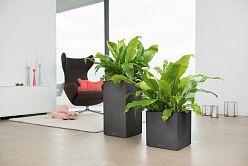
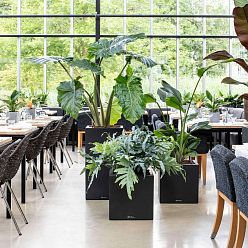
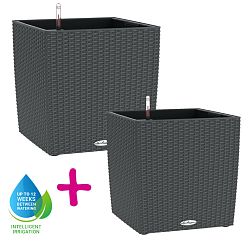
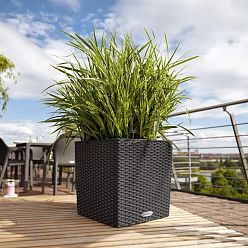
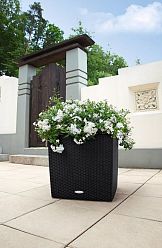
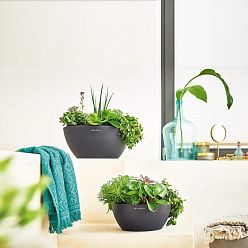
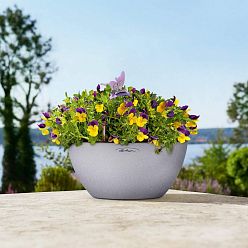
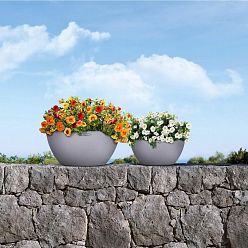
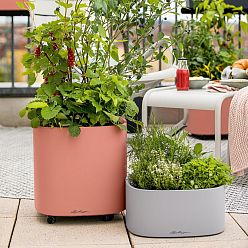
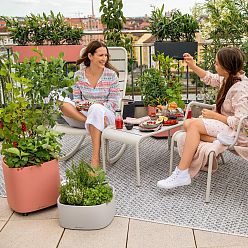
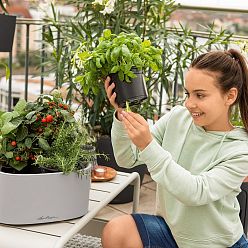
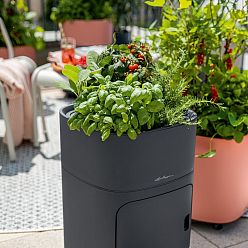
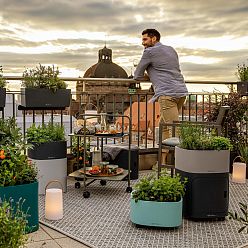
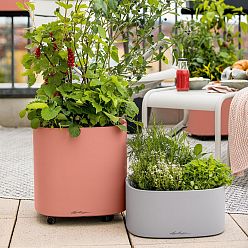
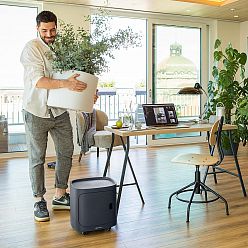
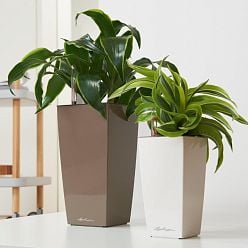
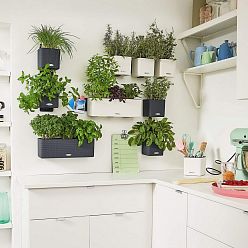
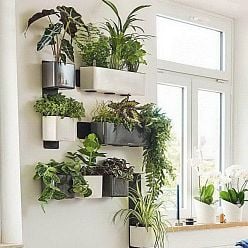
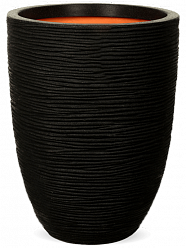
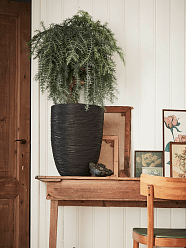
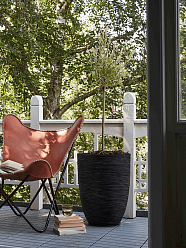
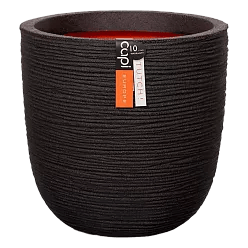
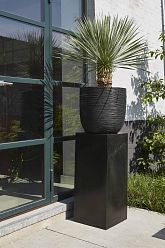
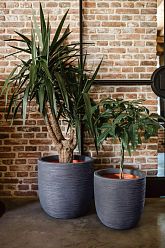
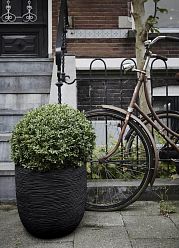
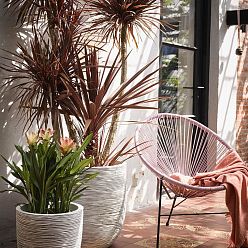
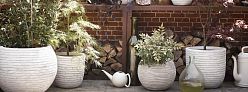
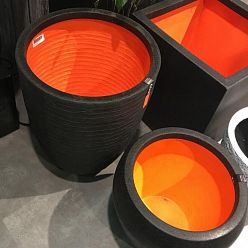
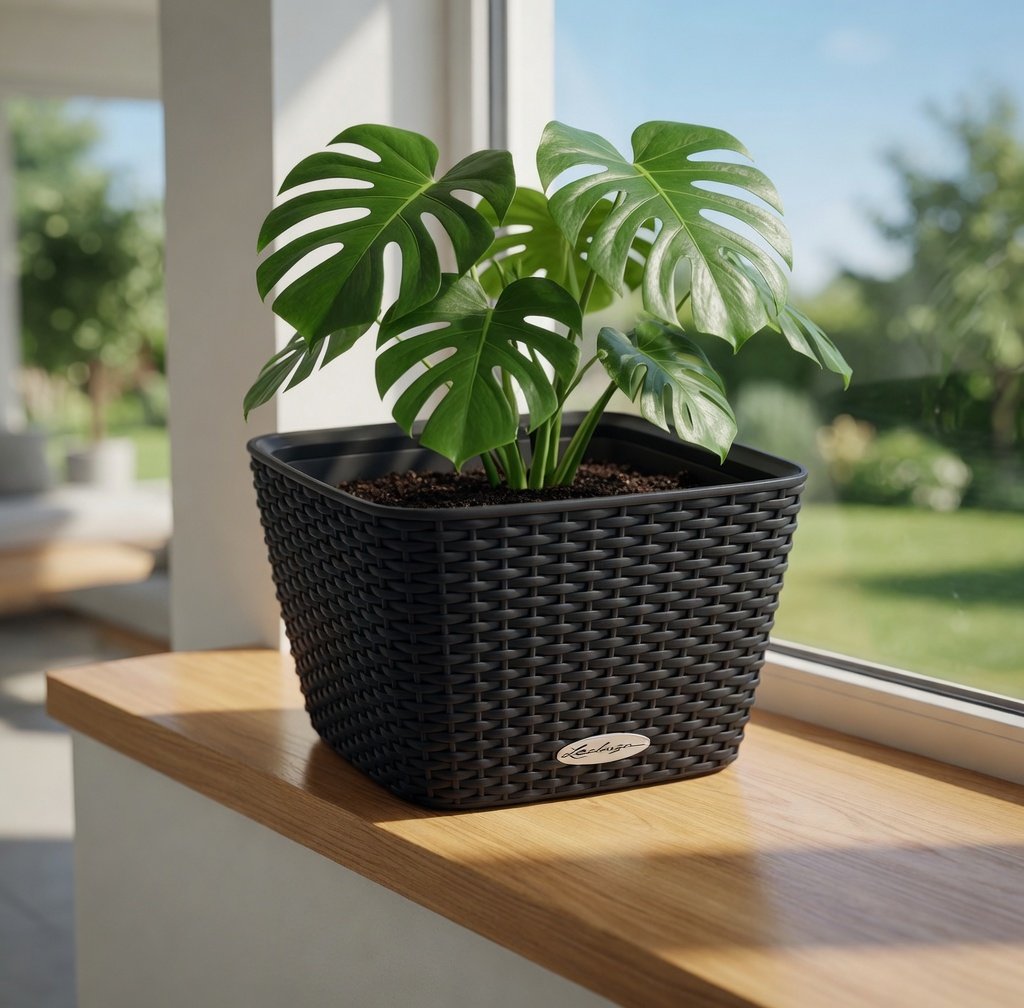
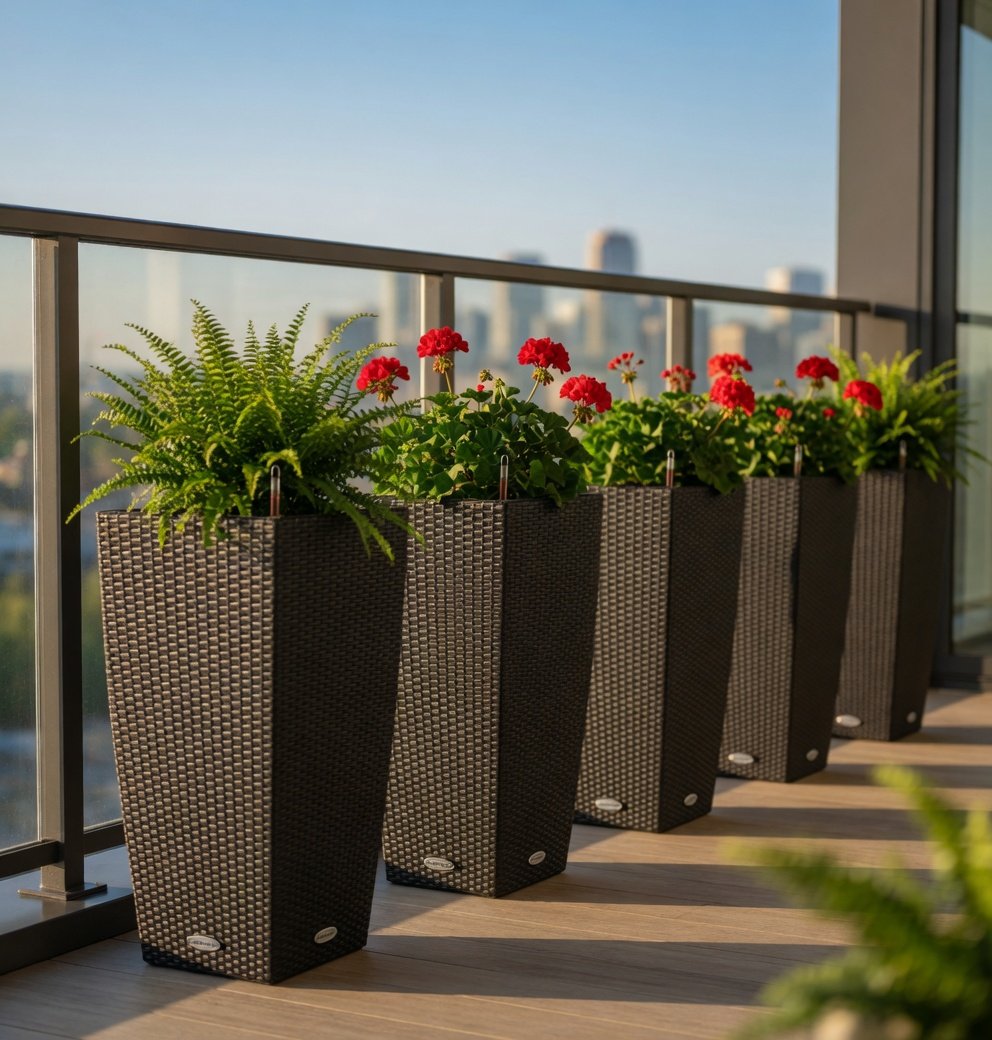
The key to making plastic planters look considered rather than purely functional is to treat them the same way you would any other material. Group them in odd numbers — threes and fives work better than pairs or even rows. Vary the heights within a group, using pot stands or risers to lift some pots above others. Choose finishes within the same colour family rather than mixing unrelated tones. On a patio or terrace, mixing a large ribbed-effect round planter with two smaller matching pieces immediately creates a layered, intentional arrangement that doesn't read as budget. Indoors, a tall cylindrical plastic planter in a corner — planted with a fiddle leaf fig or a large monstera — has the same visual impact as a far more expensive ceramic piece.
Why Getpotted?
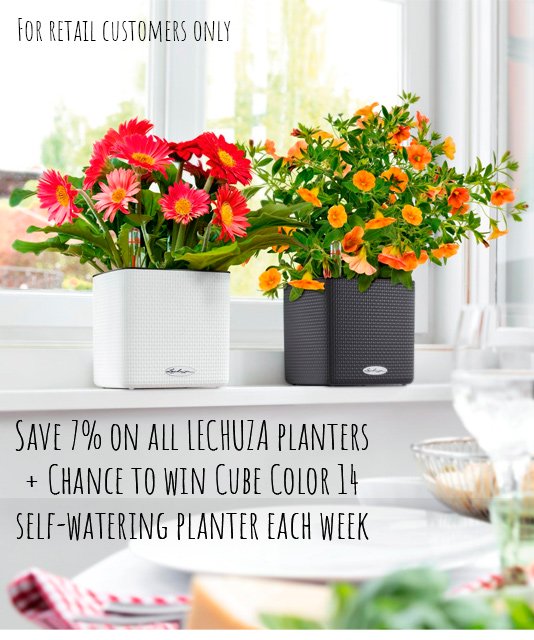
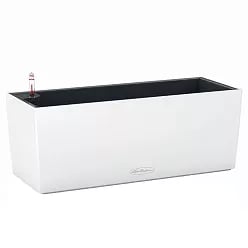
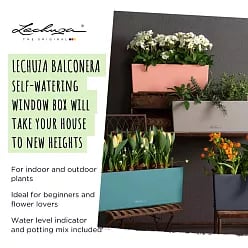
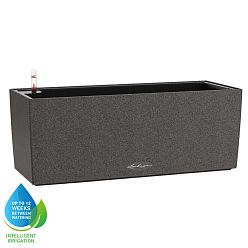
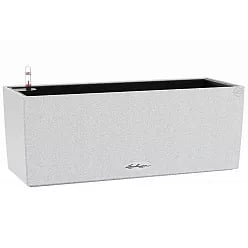
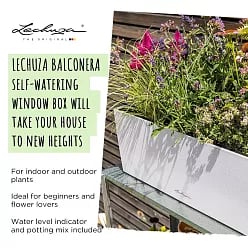
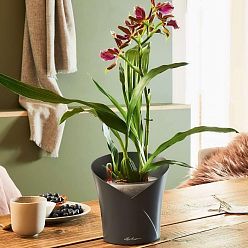
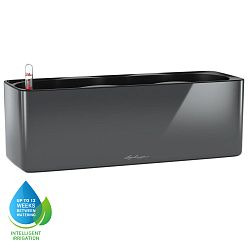
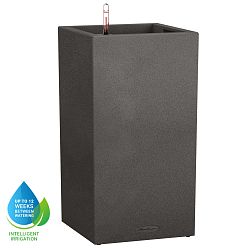
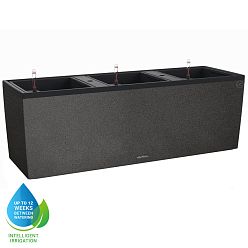
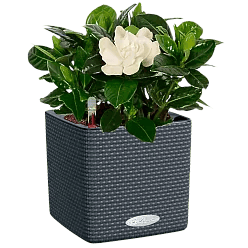
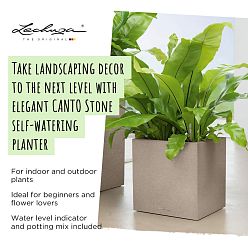
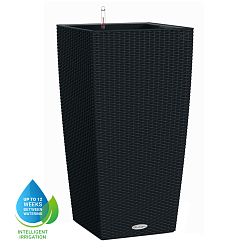
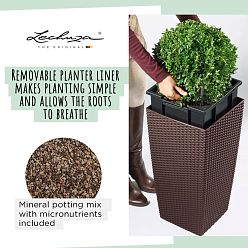
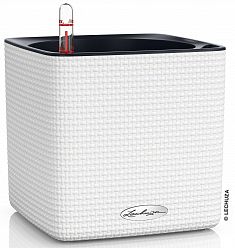
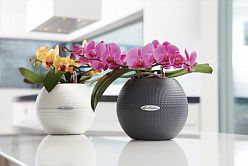
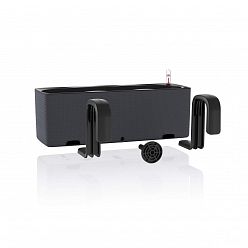
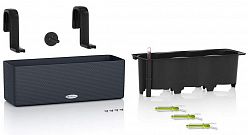
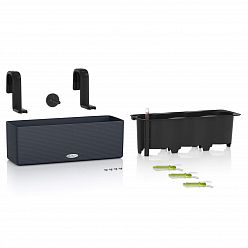
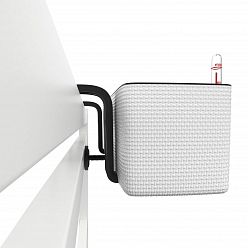
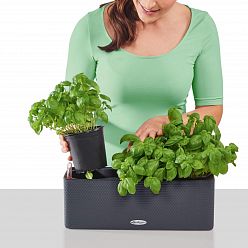
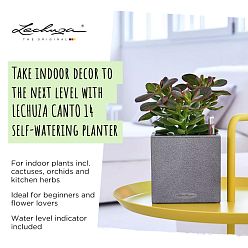
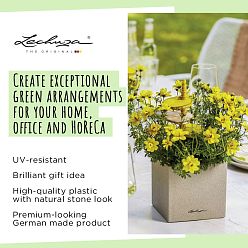
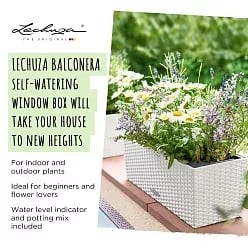
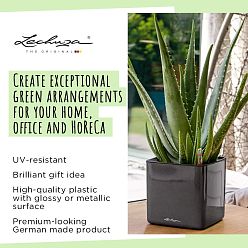
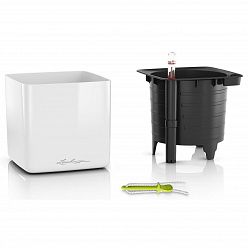
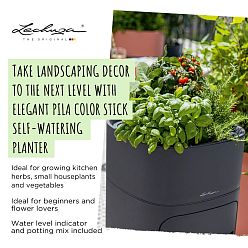
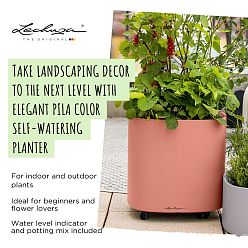
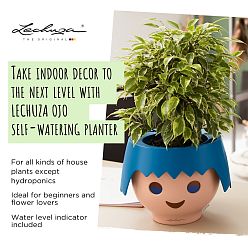
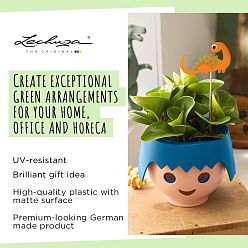
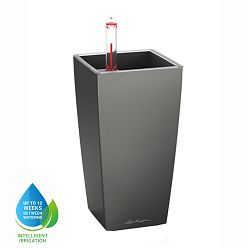
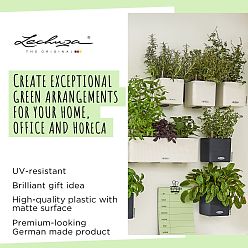
Plastic planters are one of the most searched categories on our site, and we've built the range to reflect genuine quality at every price point. We're the official UK distributor for LECHUZA — Europe's leading self-watering planter brand — whose poly resin designs represent the best that plastic and resin engineering currently offers. Our own IDEALIST Lite range brings that same commitment to finish and durability to a more accessible price bracket. Every order is packed at our Dunstable warehouse by a team that handles these products daily and knows how to protect them in transit. With a 4.7-star rating on Trustpilot from over 2,700 verified customers — many specifically praising the quality of packaging and how well products arrive — you can buy with confidence.

FAQ — Plastic Planters
Are plastic planters suitable for outdoor use year-round in the UK?
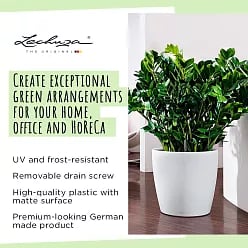
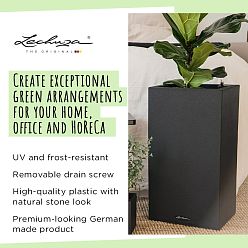
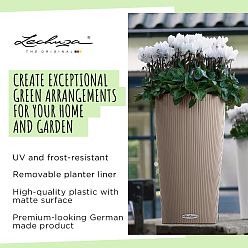
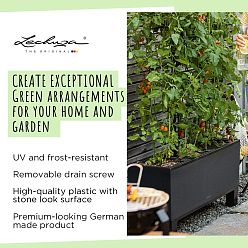
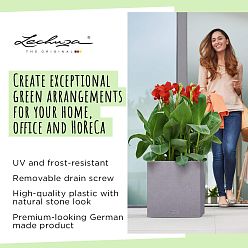
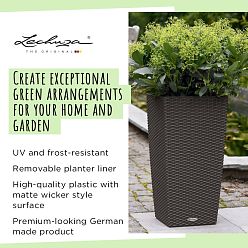
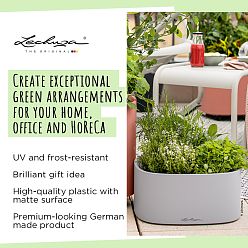
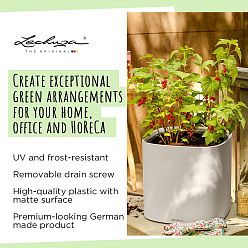
Many are, but check the specification. Look for planters described as frost-proof and UV-resistant — these handle UK temperature fluctuations and prolonged sun without cracking, fading or becoming brittle. Both ratings are listed on each product page.
What's the difference between standard plastic and poly resin?
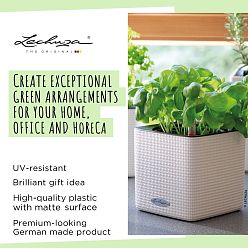
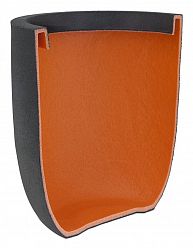
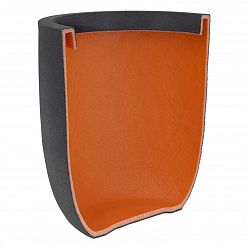
Standard plastic (polypropylene) is lightweight and affordable. Poly resin — used in LECHUZA planters — is a denser, higher-grade composite that produces a more refined finish and better dimensional stability. Both are lightweight relative to stone or clay, but poly resin feels and looks noticeably more premium.
Do plastic planters retain moisture better than terracotta?
Yes. Plastic is non-porous, so it doesn't absorb water the way terracotta does, keeping compost moist for longer between waterings. The trade-off is that poor drainage can lead to waterlogging — always ensure a clear drainage hole and avoid overwatering, especially for plants that prefer drier conditions.
Can plastic planters be used indoors without a saucer?
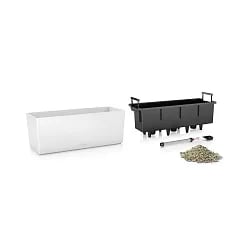
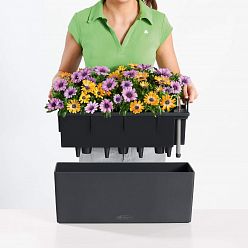
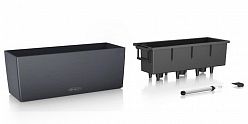
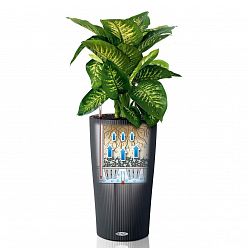
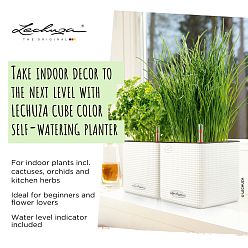
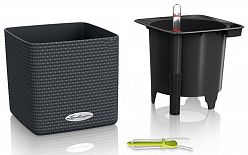
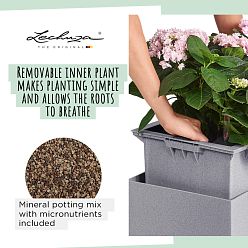
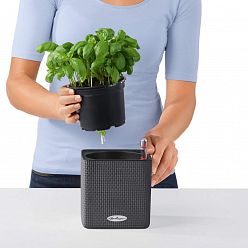
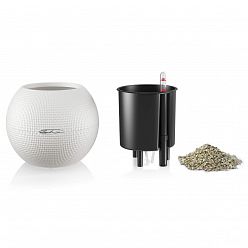
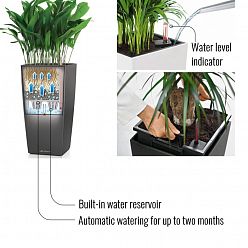
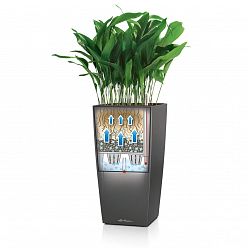
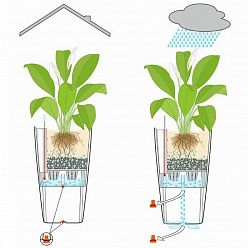
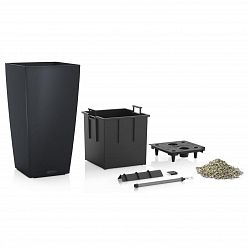
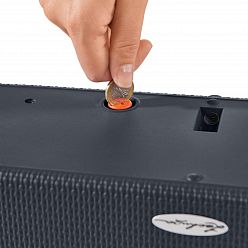
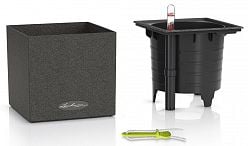
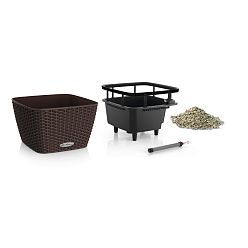
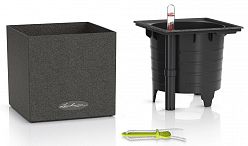
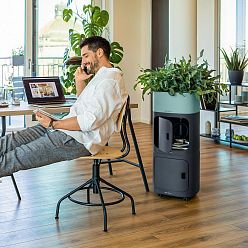
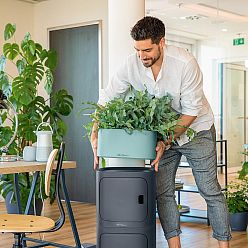
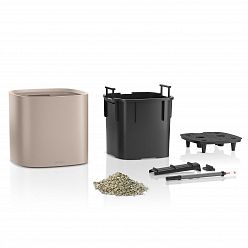
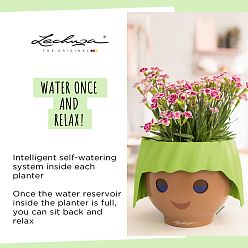
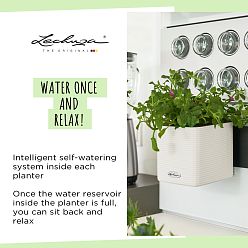
If the planter has a drainage hole, a saucer or drip tray is needed indoors. Many designs at Getpotted come with matching saucers or have compatible ones listed on the product page. LECHUZA self-watering planters use a closed-base reservoir — no saucer required, making them ideal for indoor use.
How do self-watering plastic planters work?
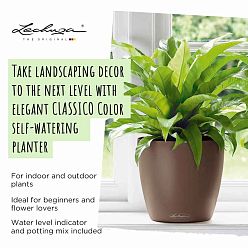
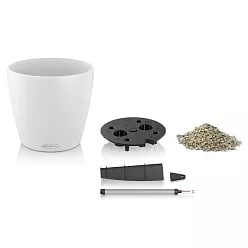
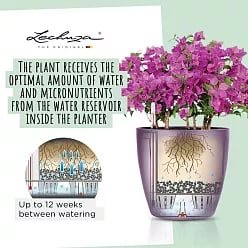
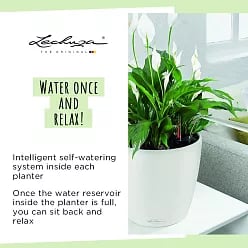
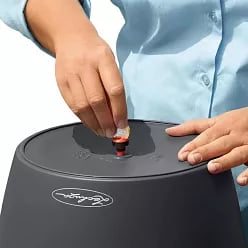
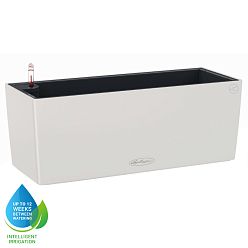
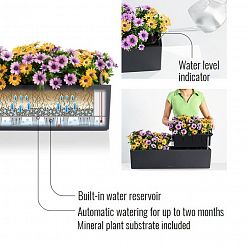
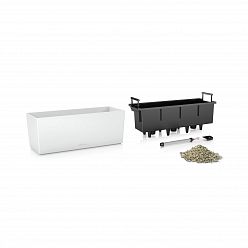
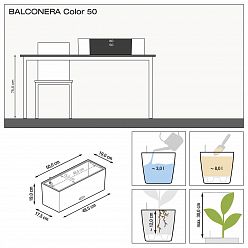
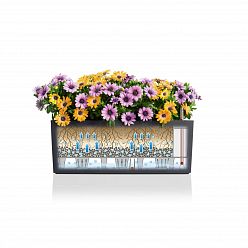
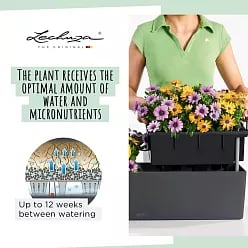
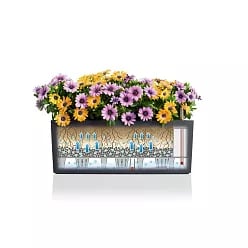
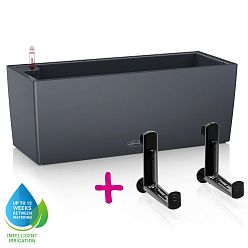
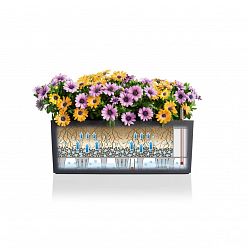
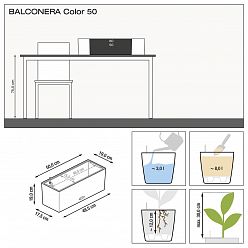
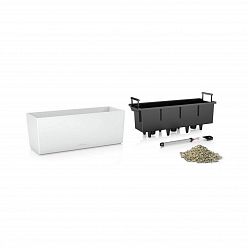
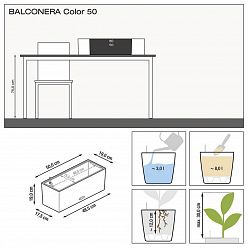
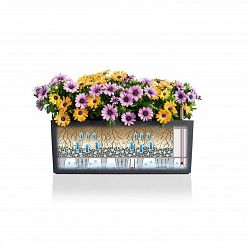
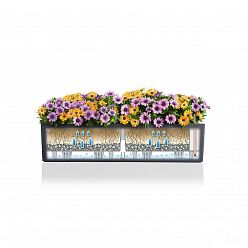
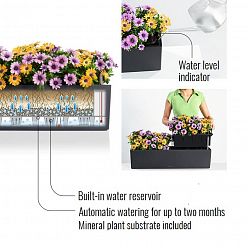
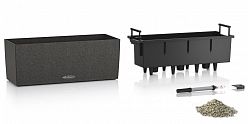
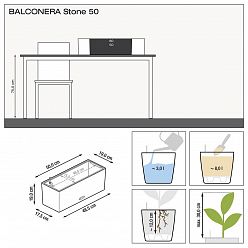
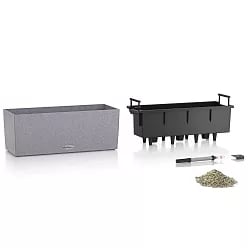
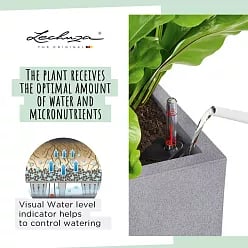
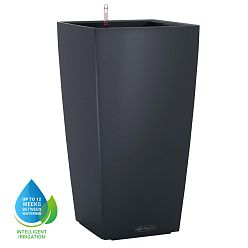
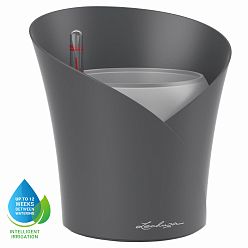
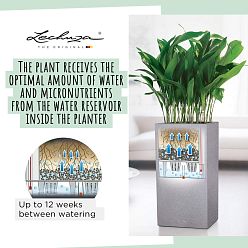
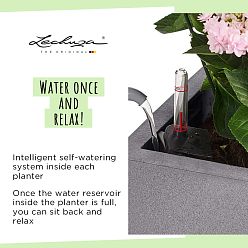
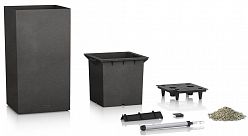
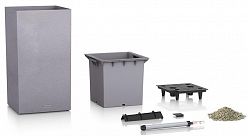
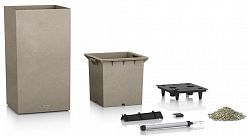
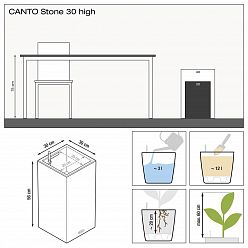
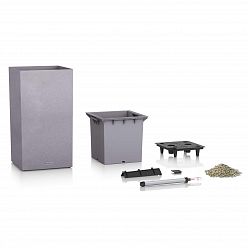
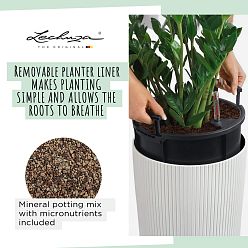
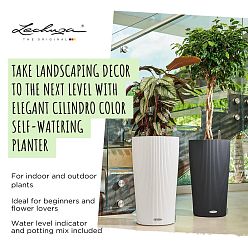
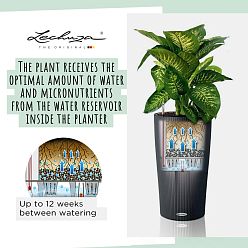
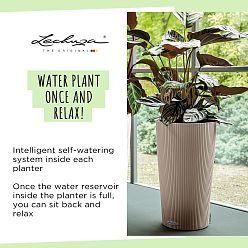
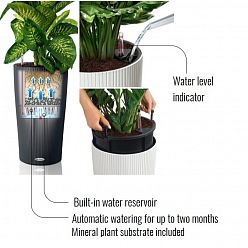
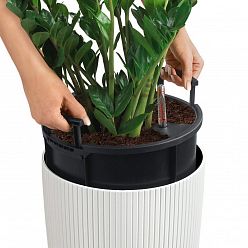
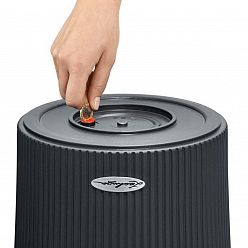
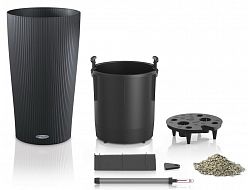
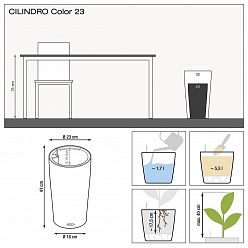
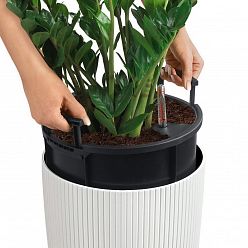
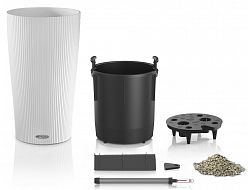
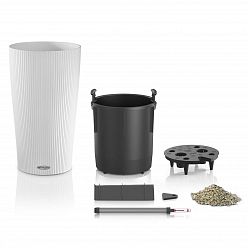
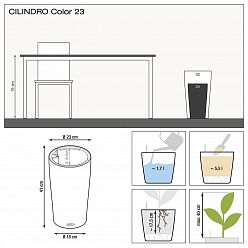
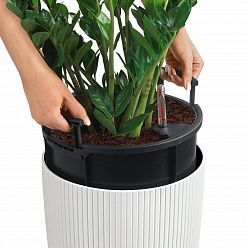
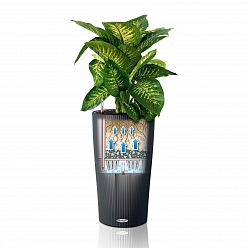
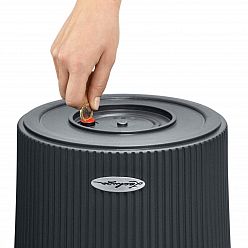
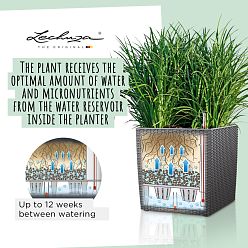
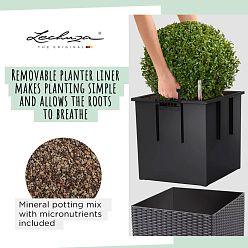
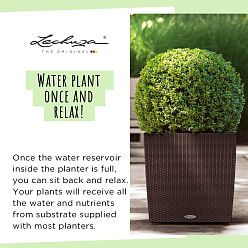
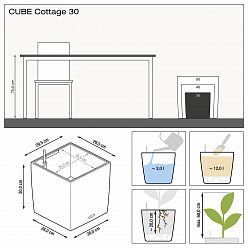
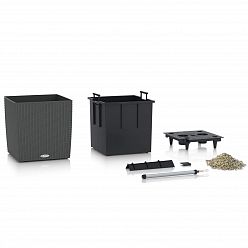
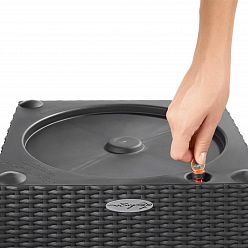
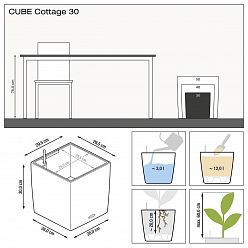
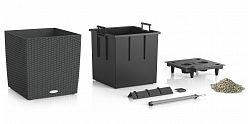
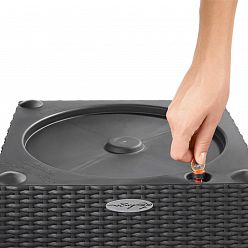
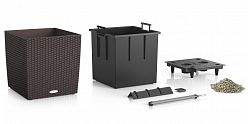
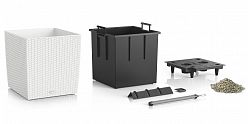
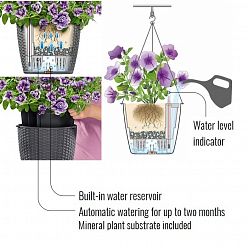
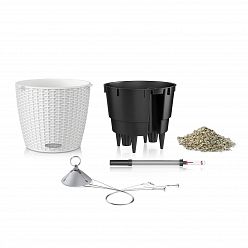
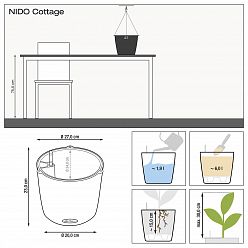
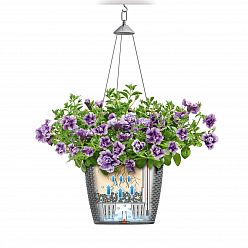
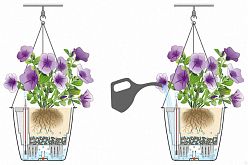
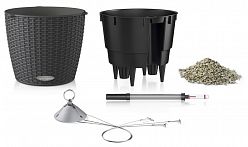
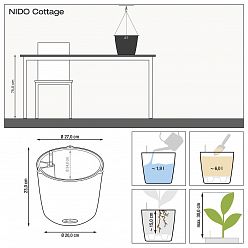
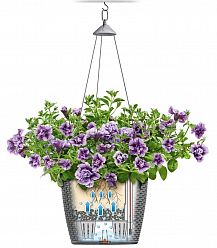
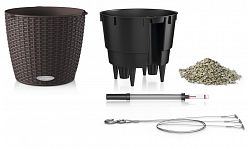
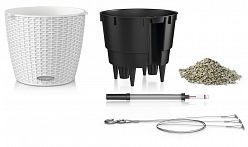
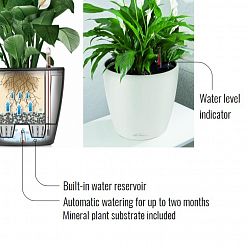
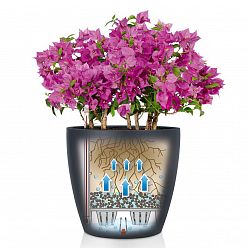
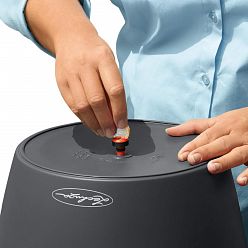
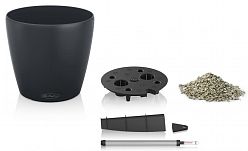
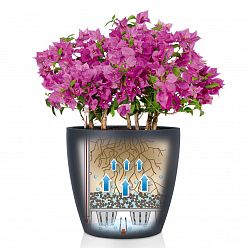
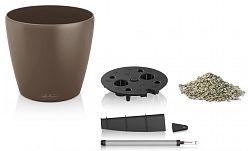
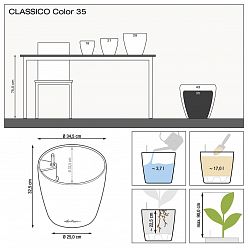
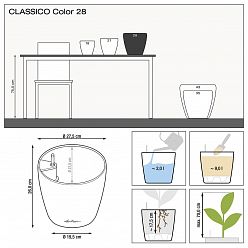
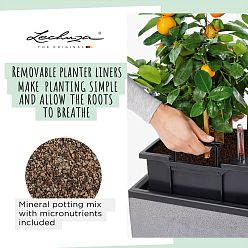
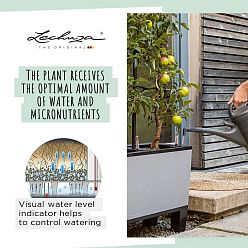
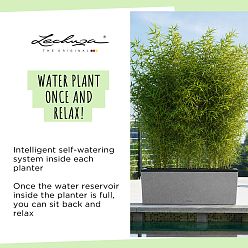
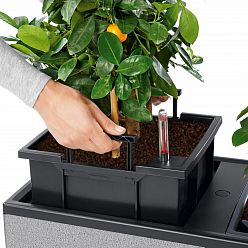
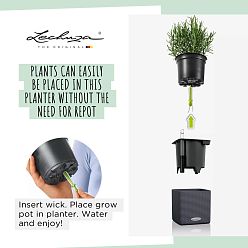
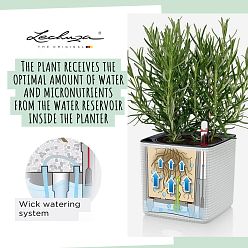
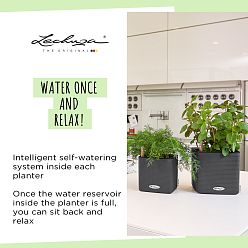
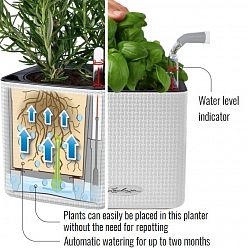
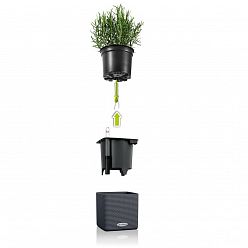
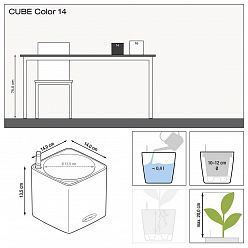
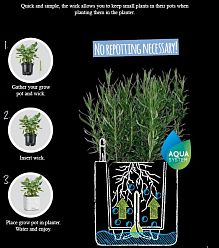
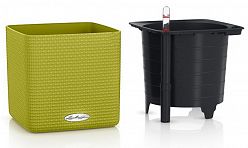
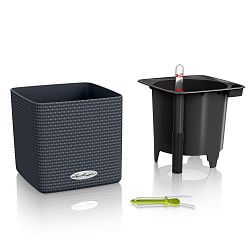
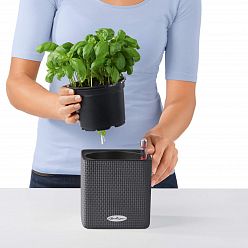
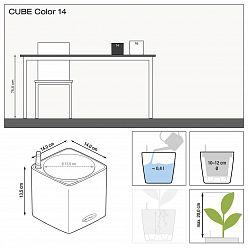
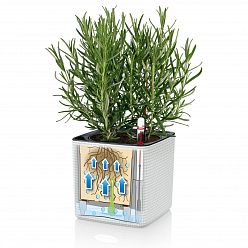
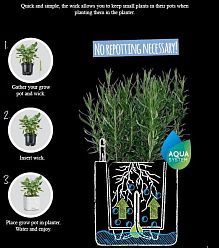
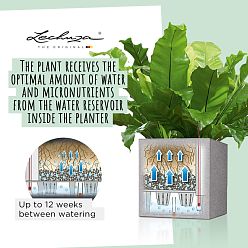
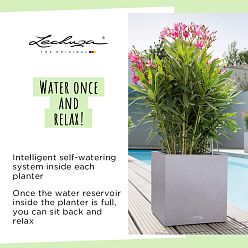
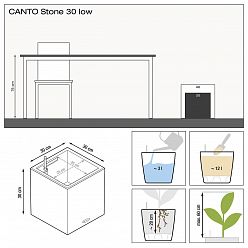
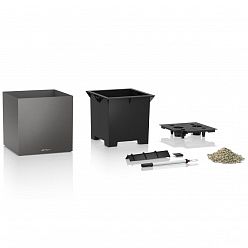
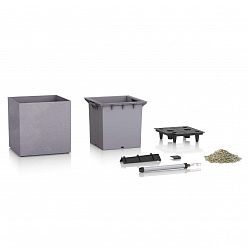
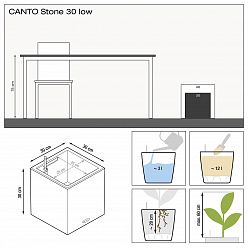
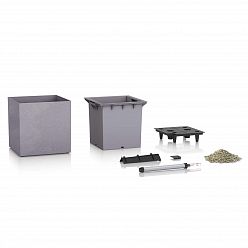
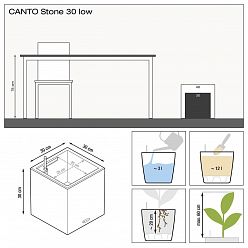
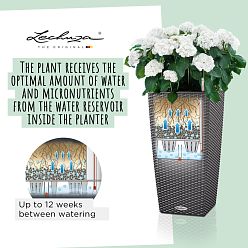
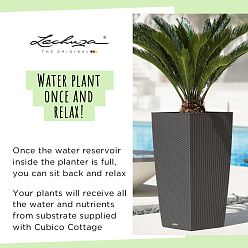
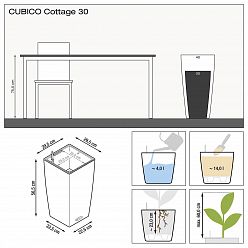
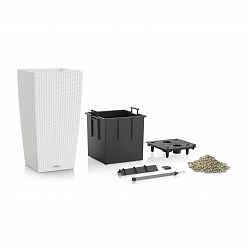
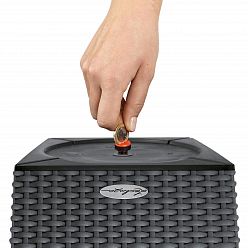
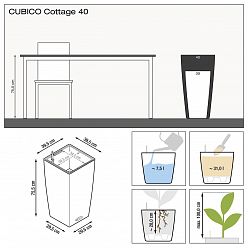
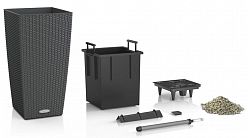
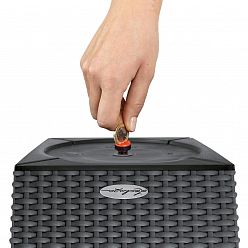
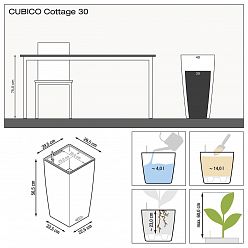
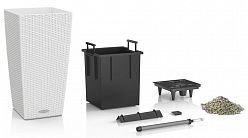
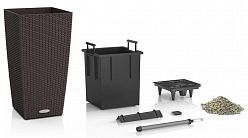
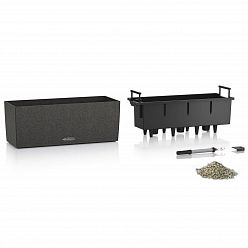
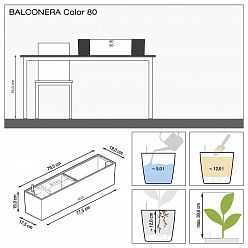
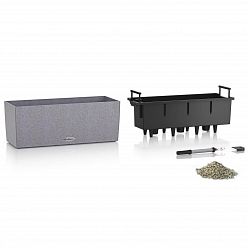
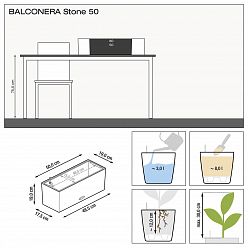
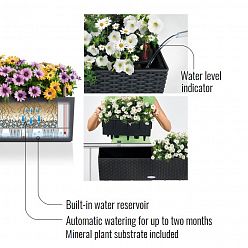
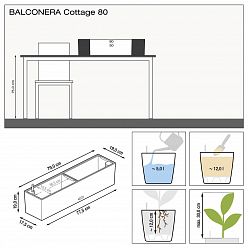
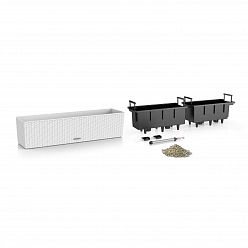
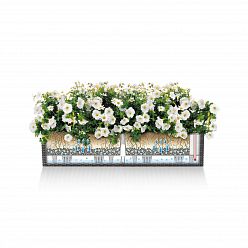
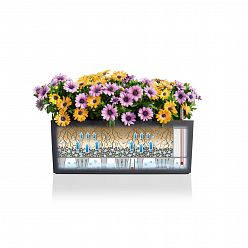
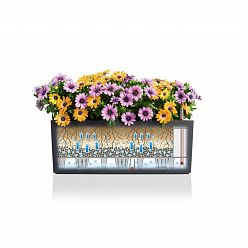
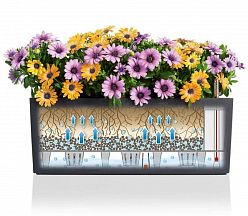
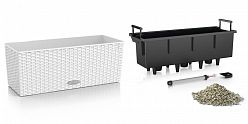
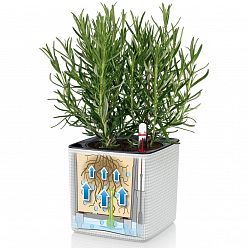
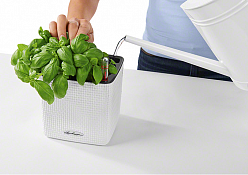
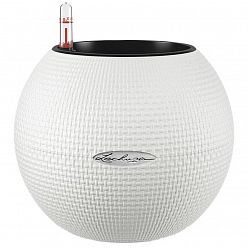
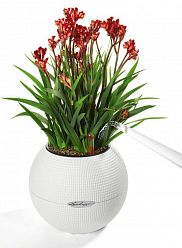
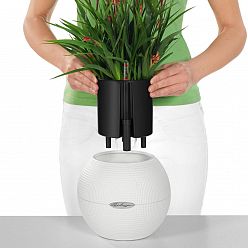
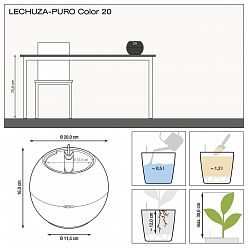
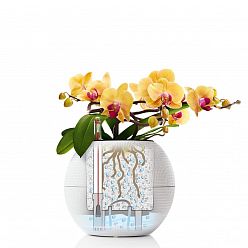
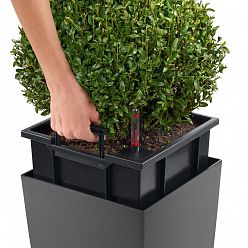
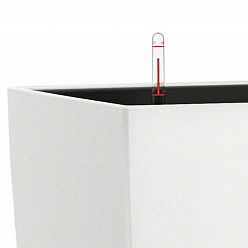
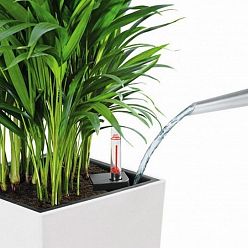
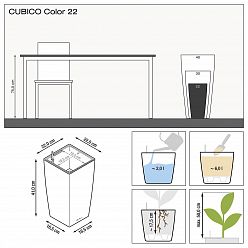
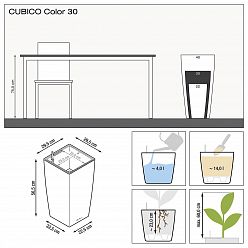
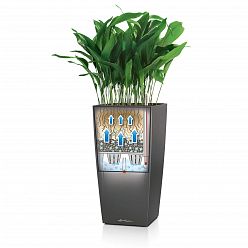
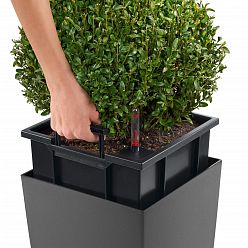
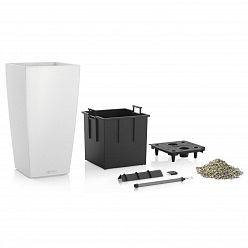
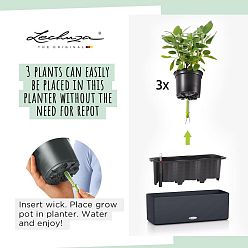
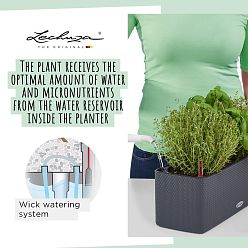
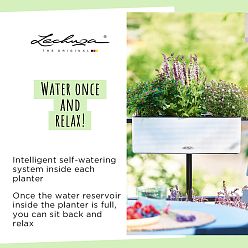
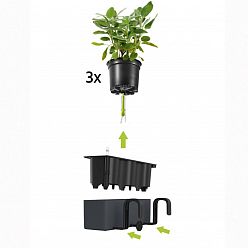
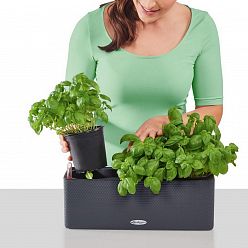
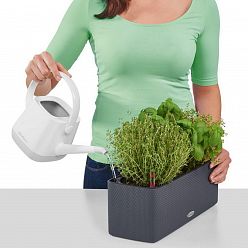
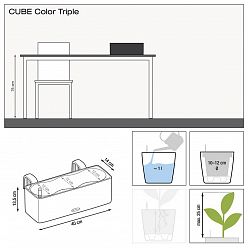
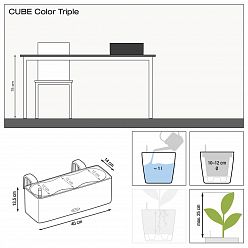
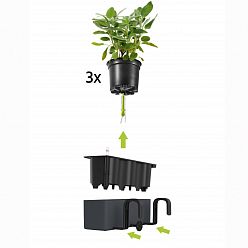
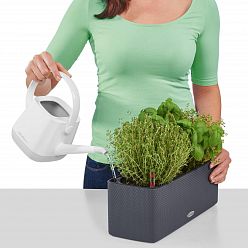
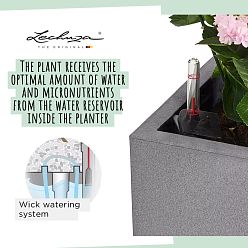
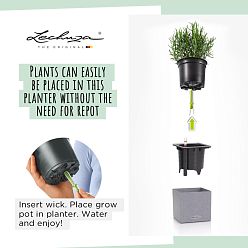
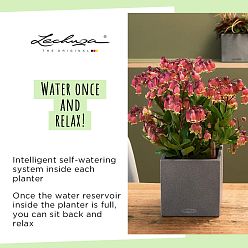
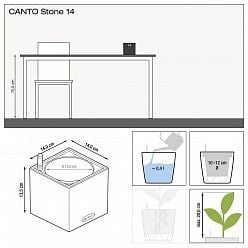
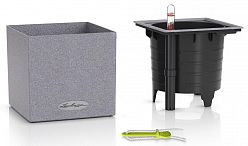
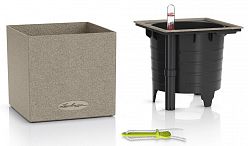
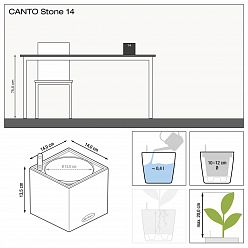
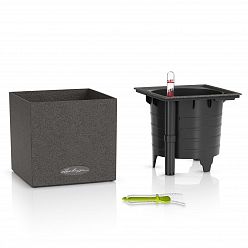
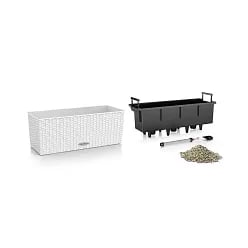
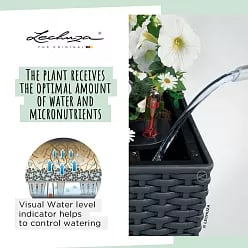
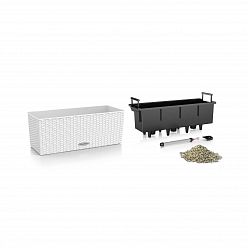
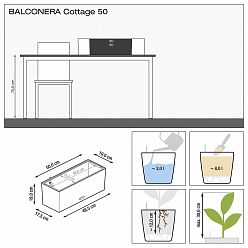
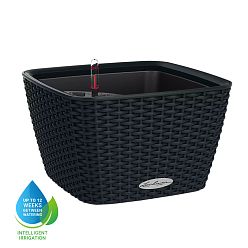
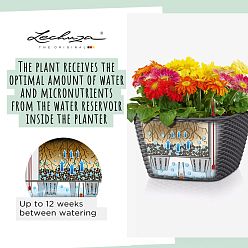
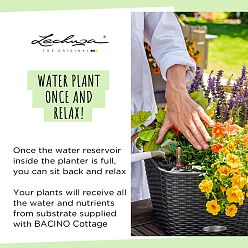
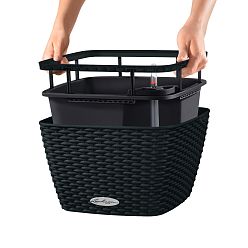
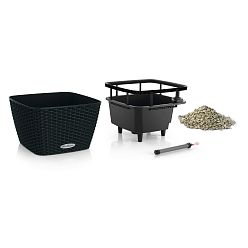
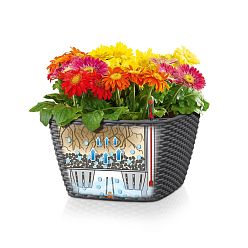
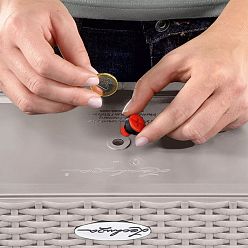
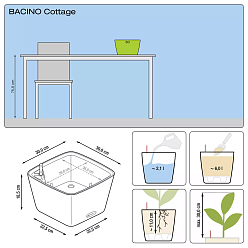
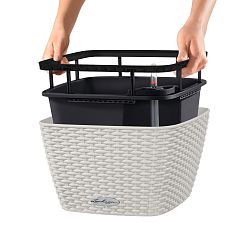
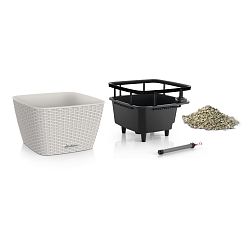
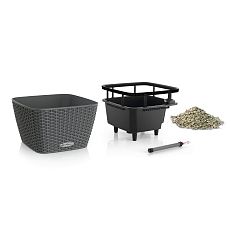
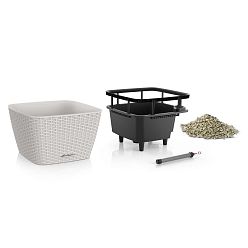
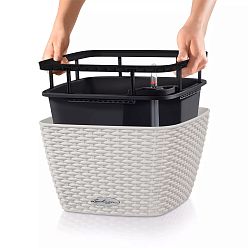
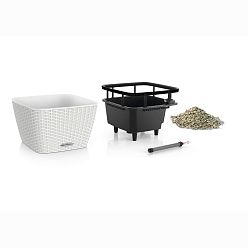
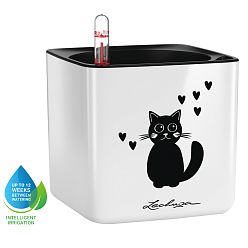
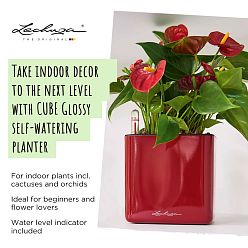
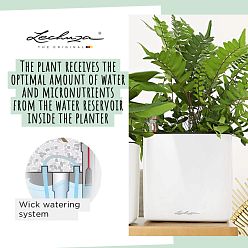
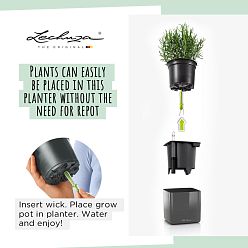
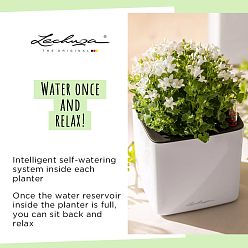
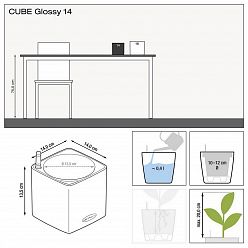
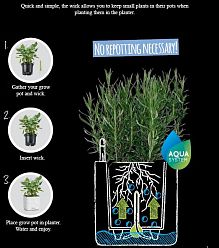
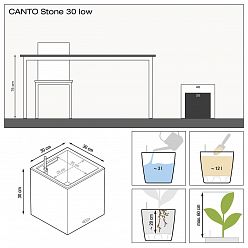
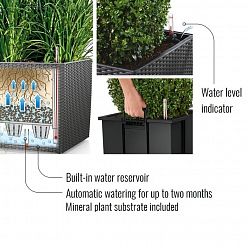
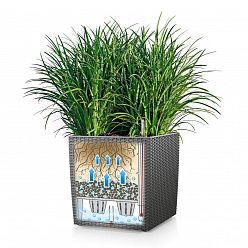
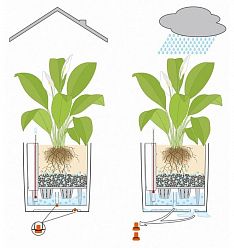
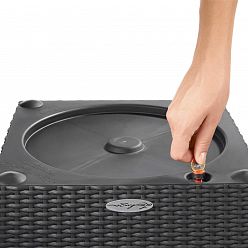
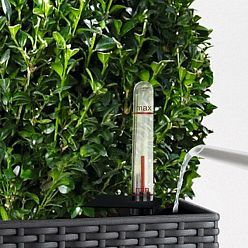
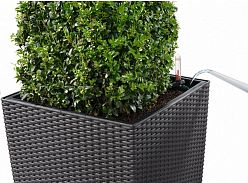
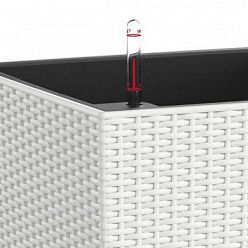
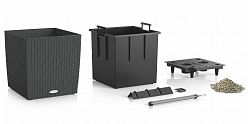
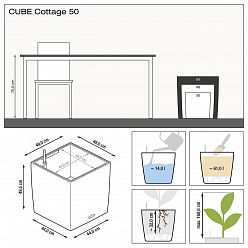
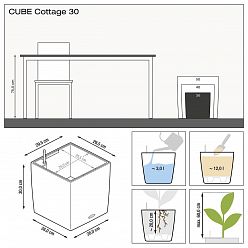
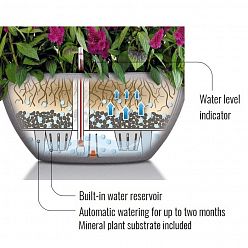
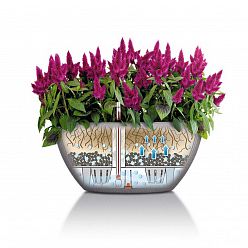
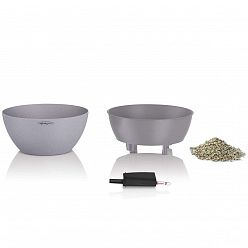
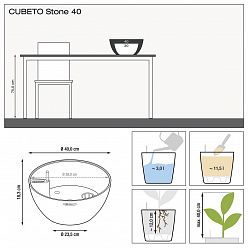
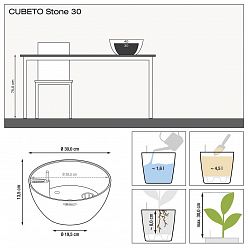
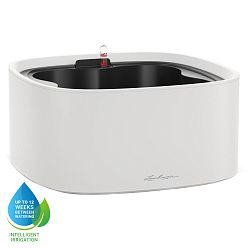
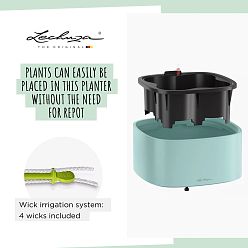
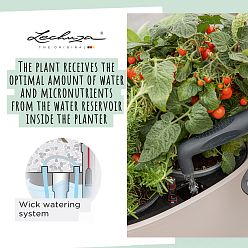
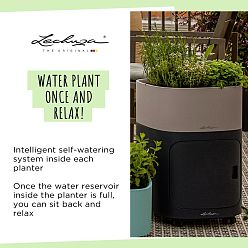
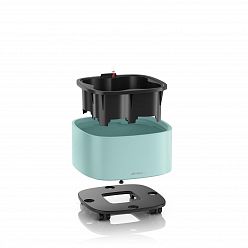
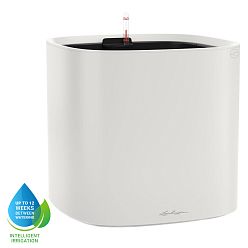
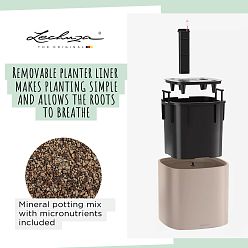
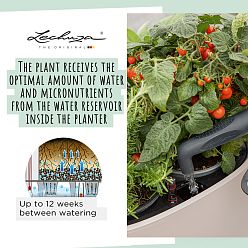
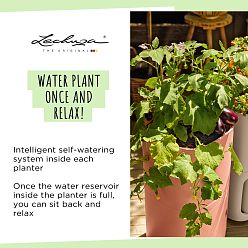
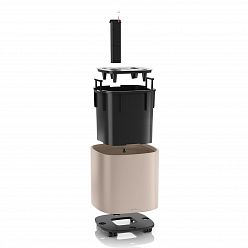
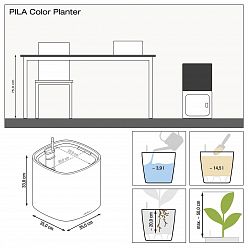
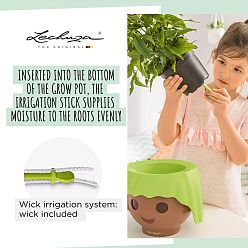
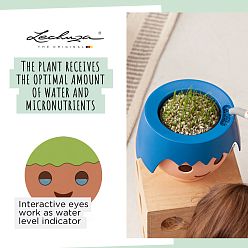
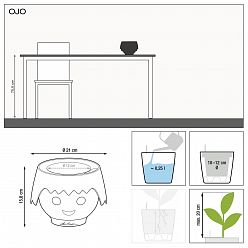
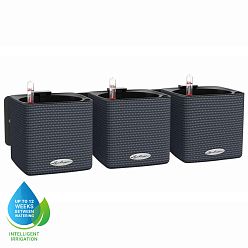
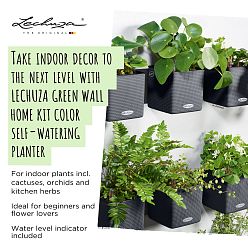
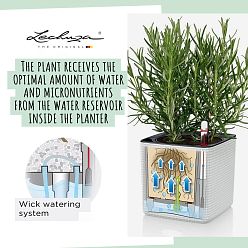
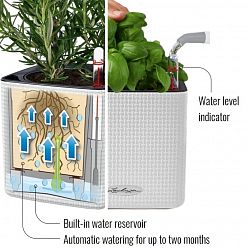
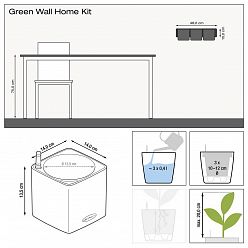
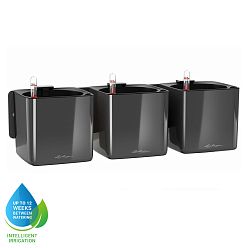
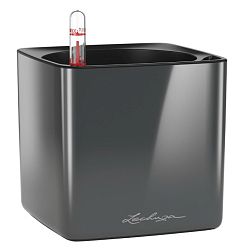
A water reservoir at the base holds water; a wick or capillary system draws moisture upward into the root zone as the plant needs it. LECHUZA planters include a water level indicator so you know when to refill — typically every one to three weeks for most indoor plants.
Are plastic planters easy to clean between plantings?
Yes — a wipe down with a damp cloth handles most surface dirt. For a more thorough clean between seasonal plantings, mild soapy water and a soft brush works well. Avoid abrasive cleaners on textured or matte-effect finishes as these can dull the surface over time.