






How to Choose a Window Box Planter
Window boxes are one of the simplest and most rewarding ways to add colour and character to a home — but getting the right one makes a real difference to both the look and the longevity of your display.
The Right Window Box for Every Facade
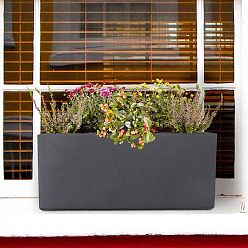
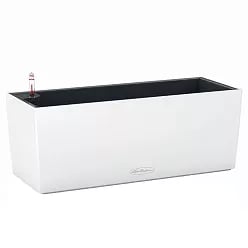
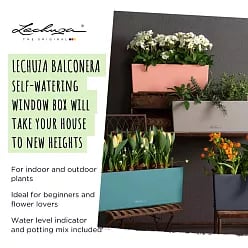
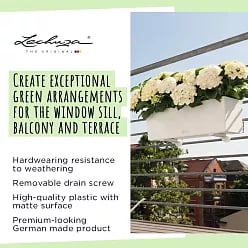
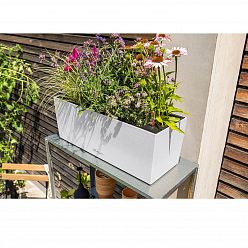
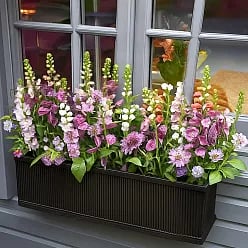
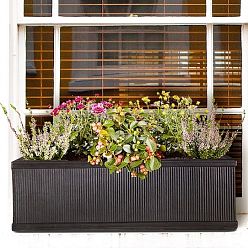
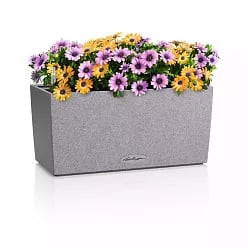
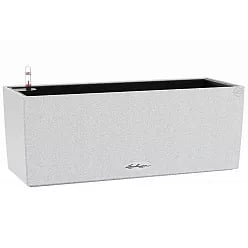
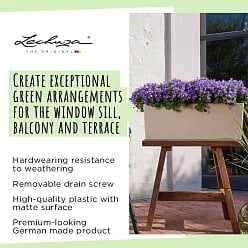
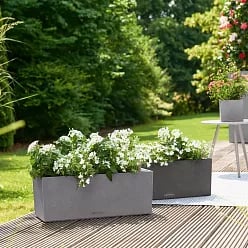
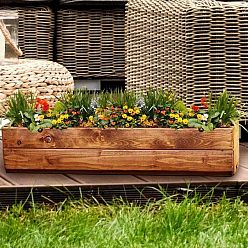
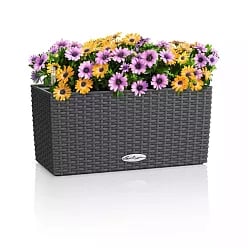
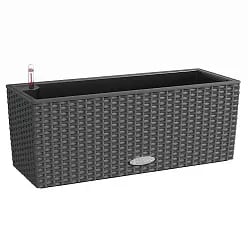
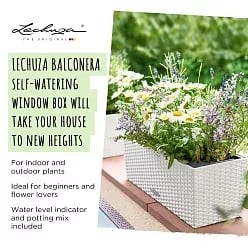
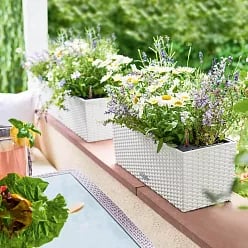
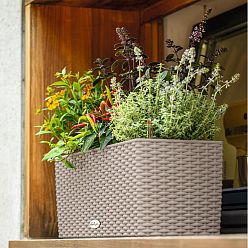
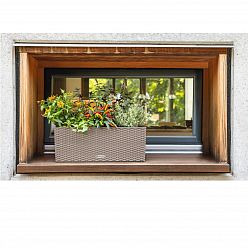
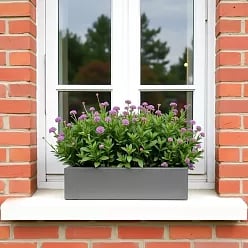
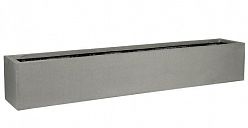
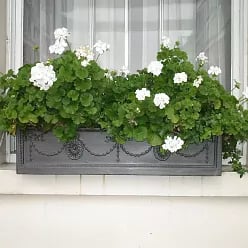
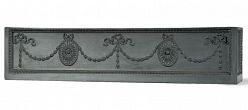
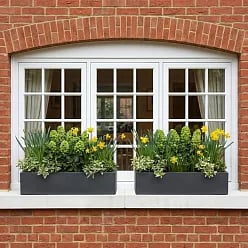
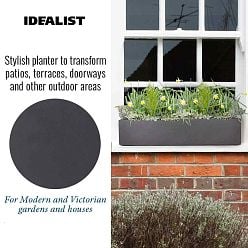
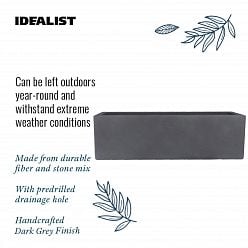
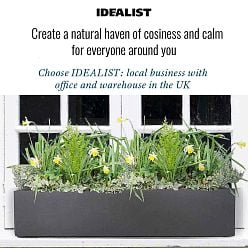
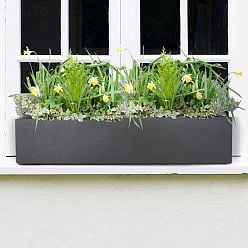
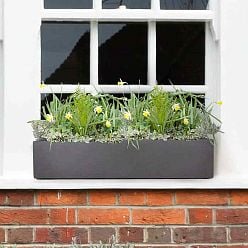
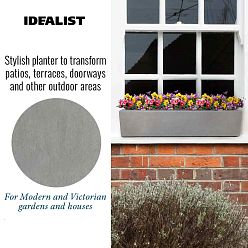
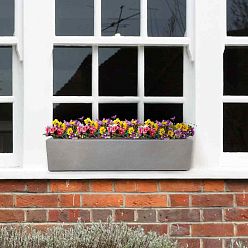
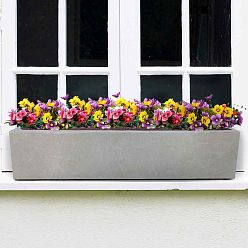
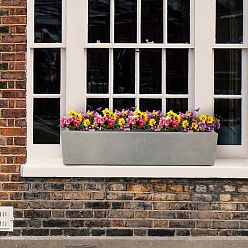
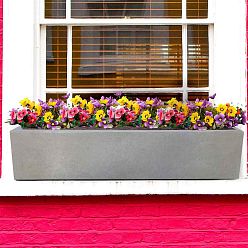
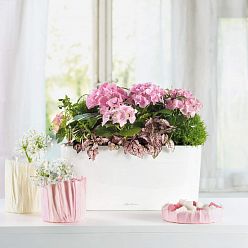
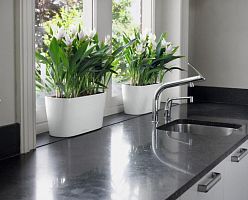
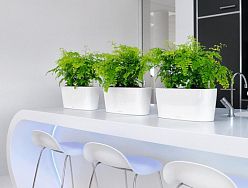
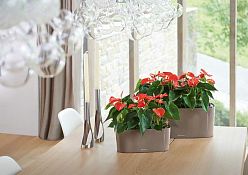
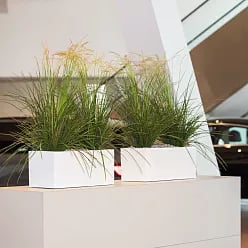
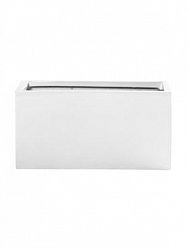
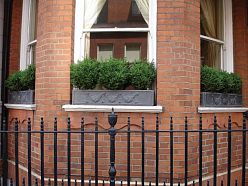
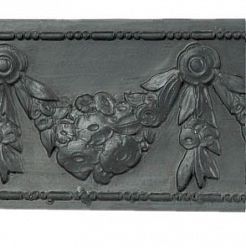
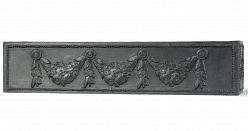
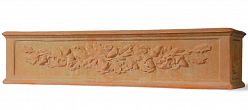
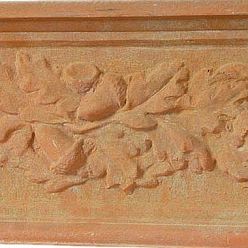
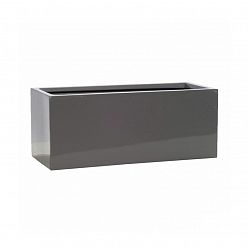
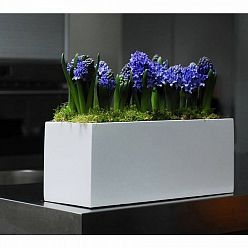
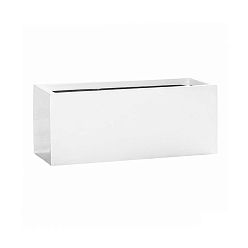
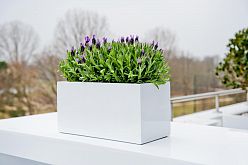
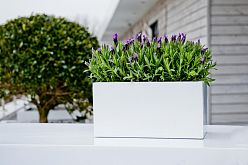
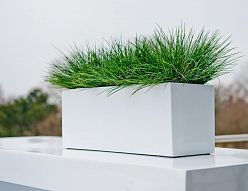
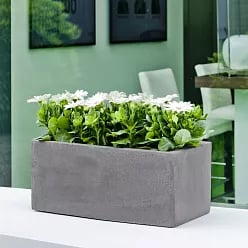
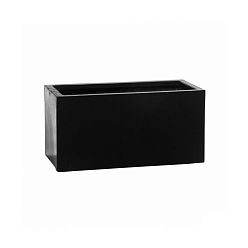
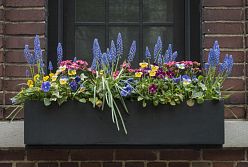
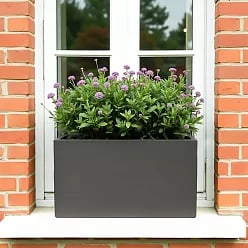
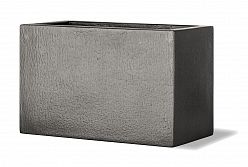
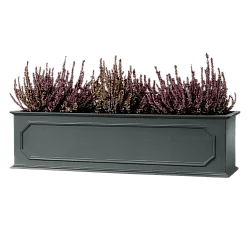
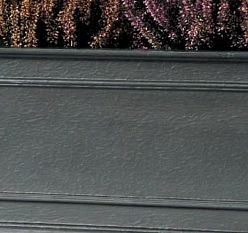
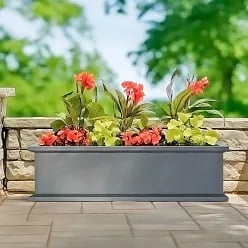
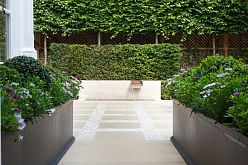
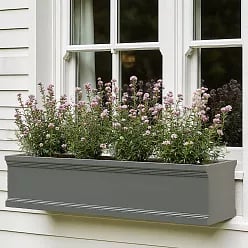
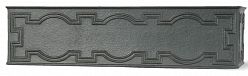
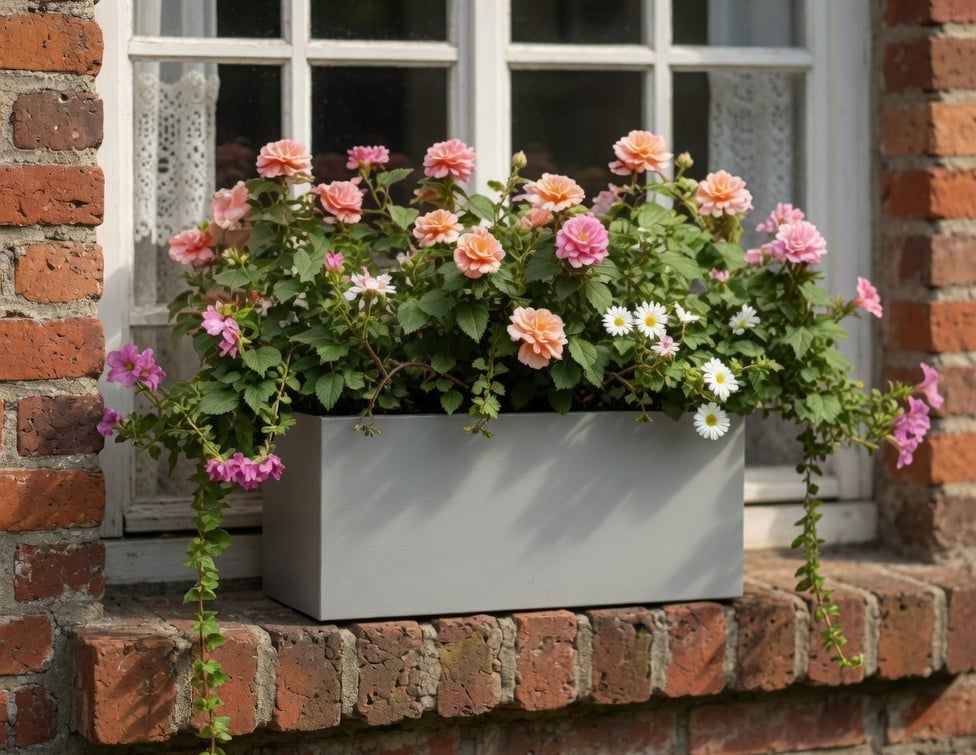
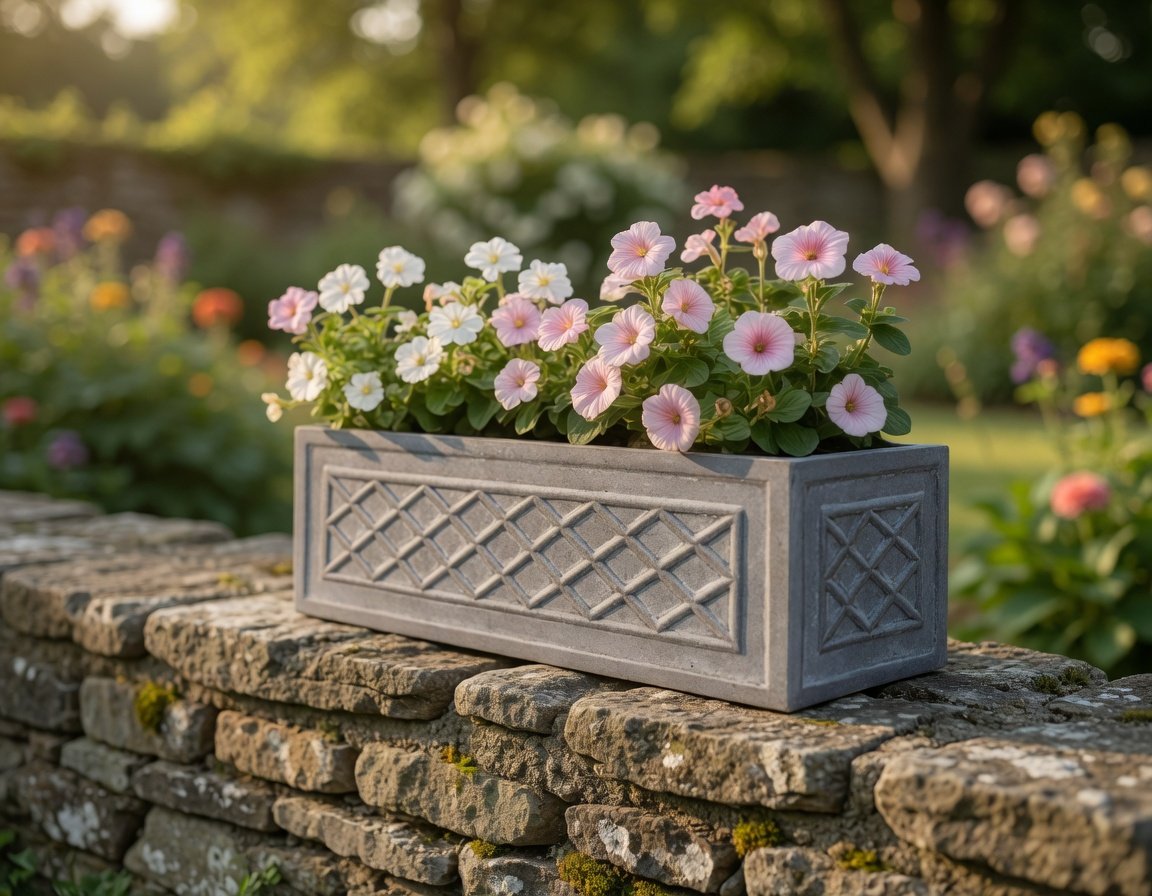
A window box does double duty — it frames your windows from the outside and brings greenery closer to your living space from within. The style of your home should guide your choice of finish. Faux lead and stone-effect window boxes complement period properties, brick facades and traditional architecture without looking out of place. Sleek, smooth fiberglass or GRP boxes in anthracite, black or white suit contemporary houses and apartment buildings. For a more relaxed, cottage-garden feel, glazed clay or natural-toned boxes with visible texture work beautifully. Whatever the setting, Getpotted's window box range gives you the options to match the planter to the property rather than settling for whatever happens to be available locally.
Planting Ideas and Seasonal Displays
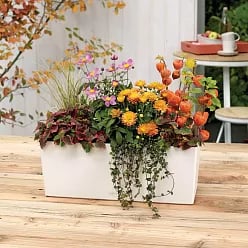
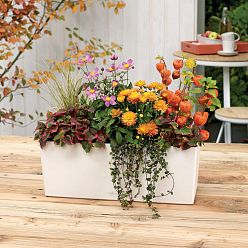
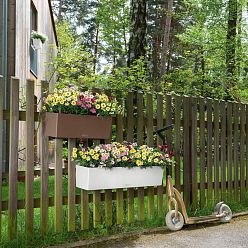
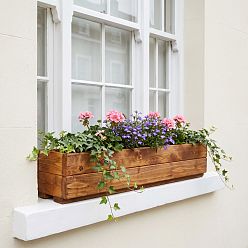
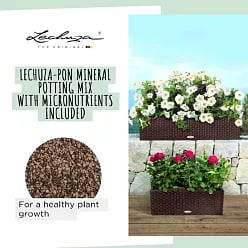
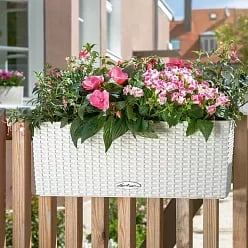
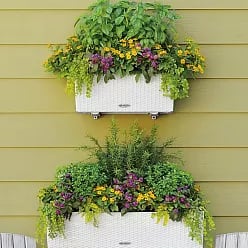
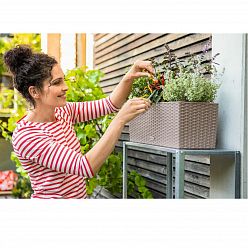
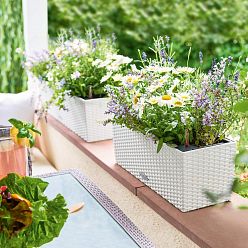
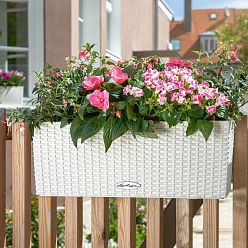
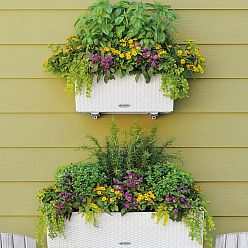
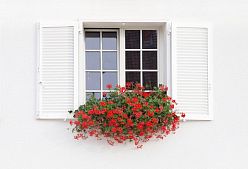
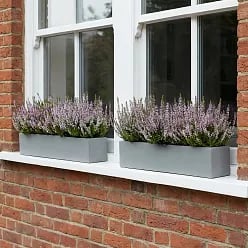
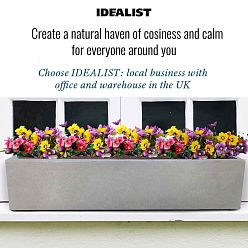
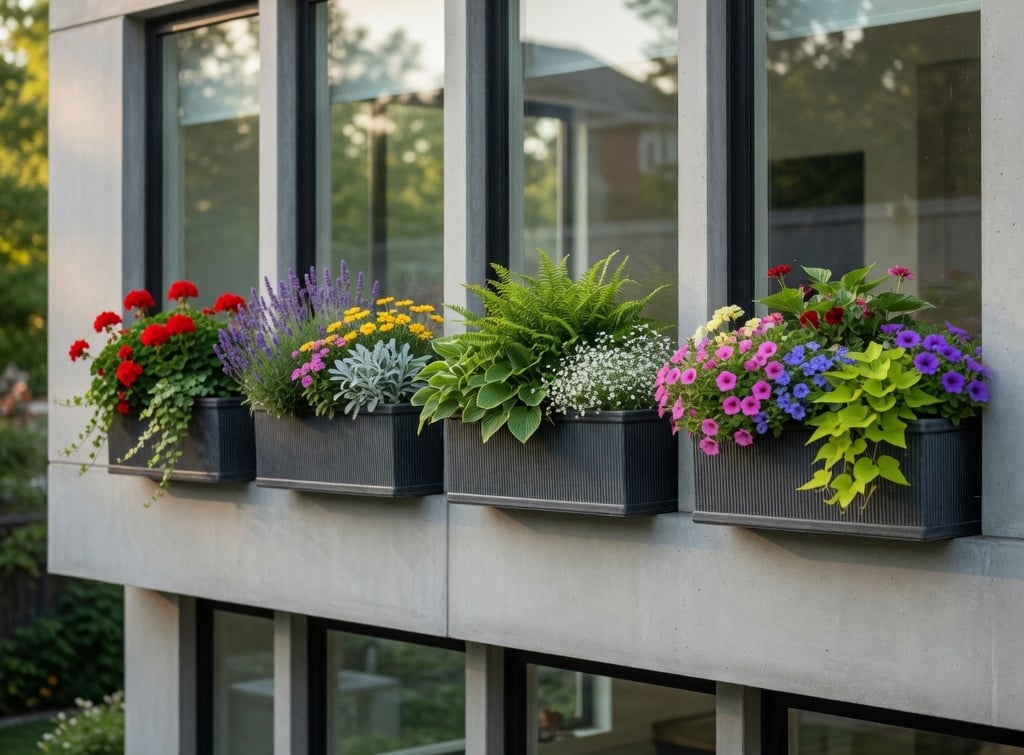
One of the great pleasures of window boxes is how easily they can be changed with the seasons. In spring, bulbs and primroses fill a box quickly and reliably. Summer calls for trailing lobelia, petunias, pelargoniums and fuchsias — plants that spill over the front of the box and maximise the visual impact from street level. Autumn is the moment for ornamental cabbages, heathers and late-flowering violas. In winter, evergreen foliage — ivy, euonymus, dwarf conifers — keeps the display alive when little else is growing. Mixing upright plants at the back with trailing varieties at the front is the most effective formula for any season, and works in any window box with adequate depth.
Installation, Drainage and Ongoing Care
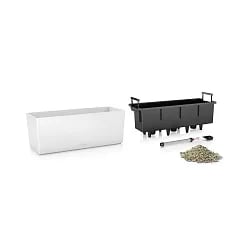
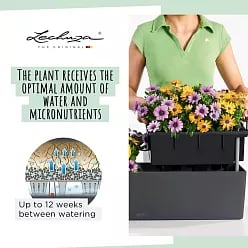
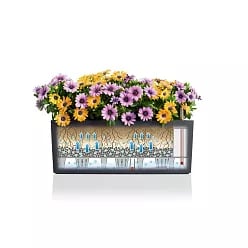
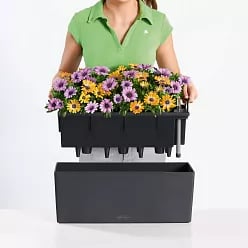
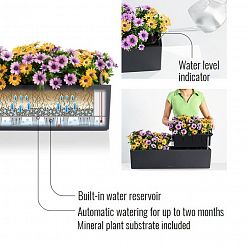
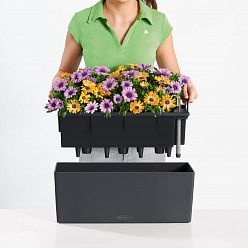
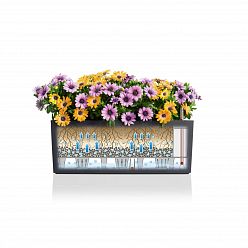
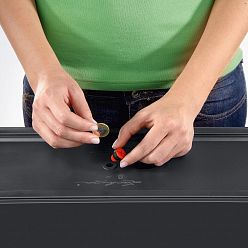
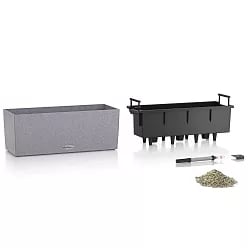
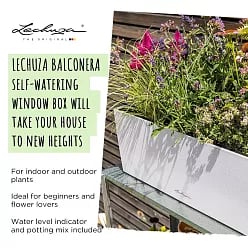
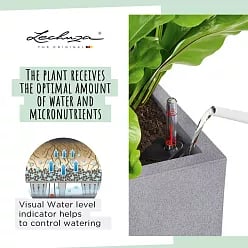
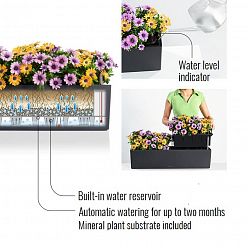
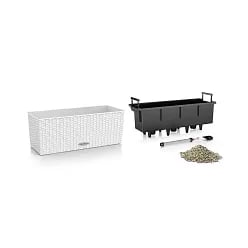
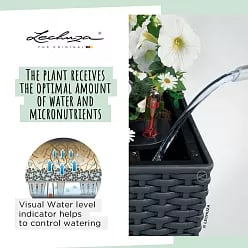
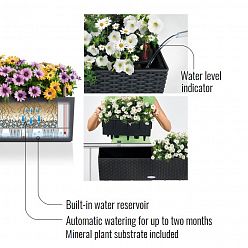
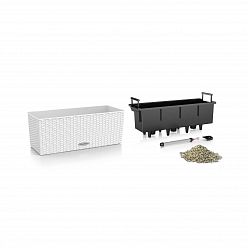
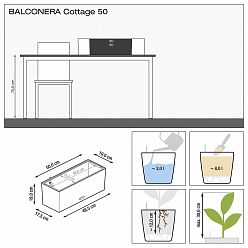
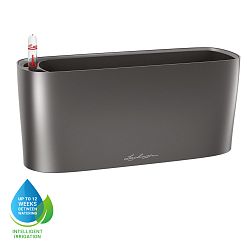
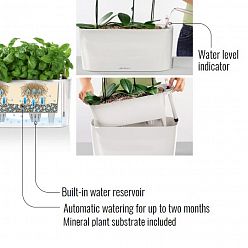
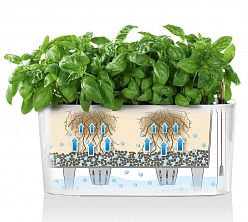
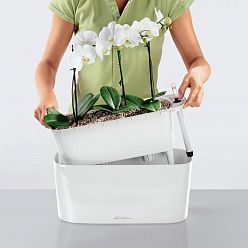
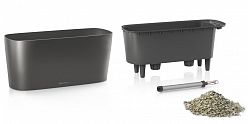
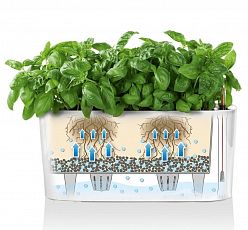
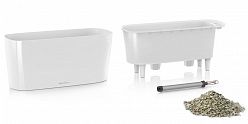
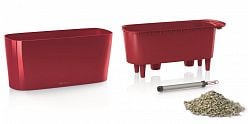
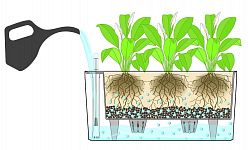
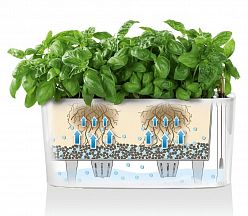
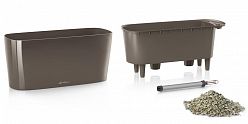
A few practical steps make a significant difference to how long your window box display looks its best. Always add a layer of crocks or gravel at the base before filling with compost — this prevents the drainage holes from blocking and keeps roots from sitting in water. Use a good quality peat-free compost mixed with slow-release fertiliser granules at planting time, and top-dress with fresh compost each season. Window boxes in exposed or south-facing positions dry out faster than you might expect — daily watering in summer is not unusual for densely planted boxes. If reliable watering is a challenge, self-watering window box options with integrated reservoirs are available in the Getpotted range and can go several days between refills.
Why Getpotted?
Window boxes are one of the most searched categories at Getpotted — and we've built a range that reflects the real variety of UK homes and gardens. Whether you're after a single classic faux lead box for a period property or a set of matching contemporary planters for a new-build terrace, you'll find it here. We stock window boxes from trusted brands across multiple materials, lengths and finishes, all available with free UK mainland delivery. Our team in Dunstable packs every order carefully, and with a 4.7-star Trustpilot rating from over 2,690 verified customer reviews, you can shop knowing your window boxes will arrive in perfect condition — ready to plant.

FAQ — Window Box Planters
What length window box do I need for my windowsill?
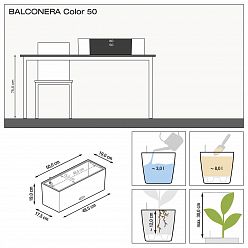
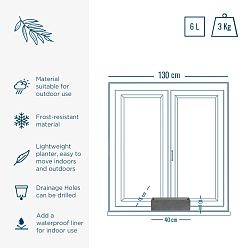
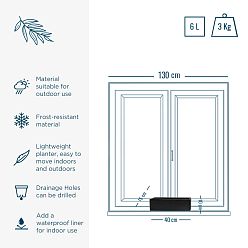
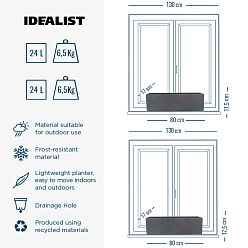
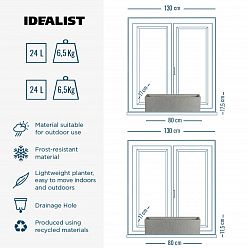
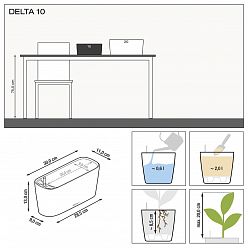
Ideally, the window box should match the width of your window as closely as possible — or sit just slightly shorter to allow for any frame or reveal. Standard lengths in the Getpotted range run from around 40 cm up to 100 cm. If your windowsill falls between standard sizes, it's generally better to go slightly shorter than to overhang. For very wide windows, two boxes placed end to end is a practical and popular solution.
Do window boxes need drainage holes?
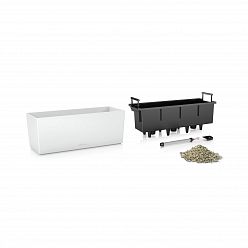
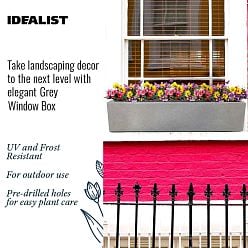
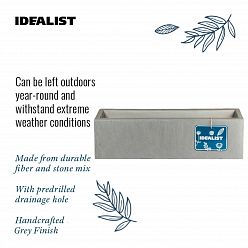
Yes — drainage is essential. Without it, compost becomes waterlogged and roots rot quickly. Most window box planters at Getpotted come with drainage holes pre-drilled as standard. If you're placing a box on a ledge where drainage water could cause staining or drip onto a surface below, a matching drip tray or self-watering liner with a built-in reservoir is worth considering.
What materials are window box planters available in at Getpotted?
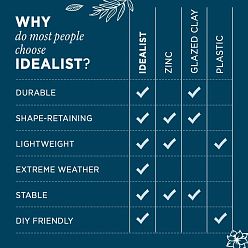
The range includes faux lead, reinforced stone-effect, fiberglass, GRP, plastic, premium plastic, poly resin and glazed clay. Lightweight materials such as plastic and fiberglass are practical for high ledges and railings where weight is a concern. Faux lead and stone-effect options offer a more substantial, traditional appearance. Full material details and weight specifications are listed on each product page.
Can window box planters be used on railings and balconies?
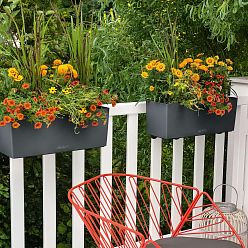
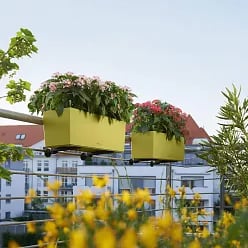
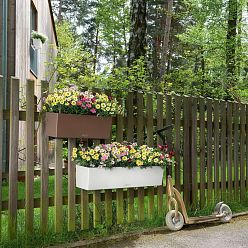
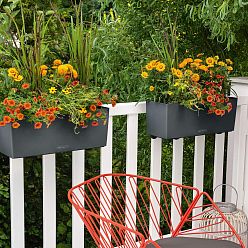
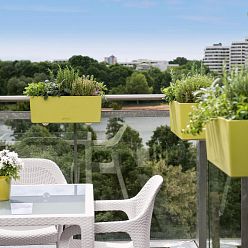
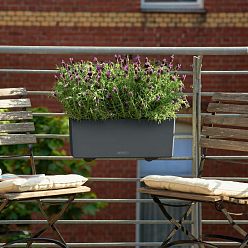
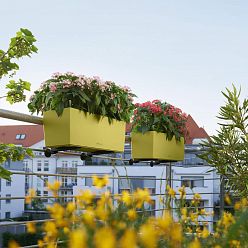
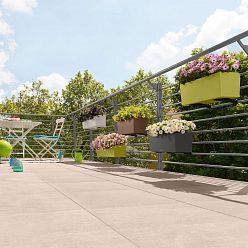
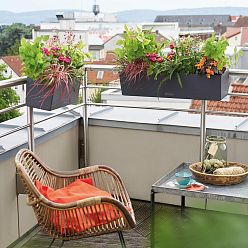
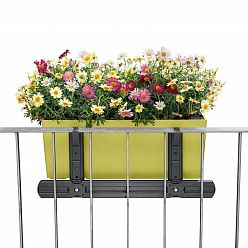
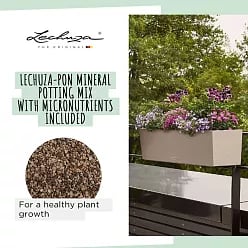
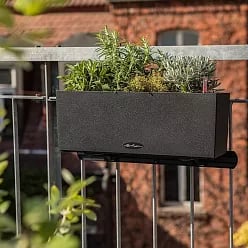
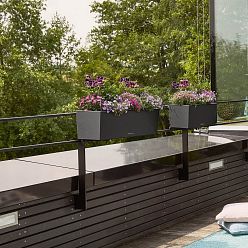
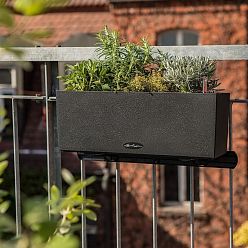
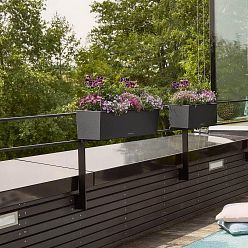
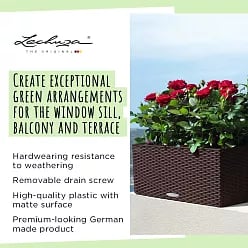
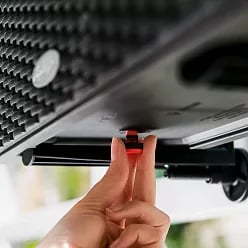
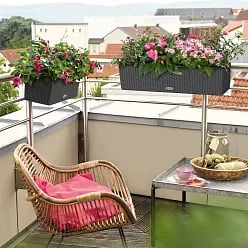
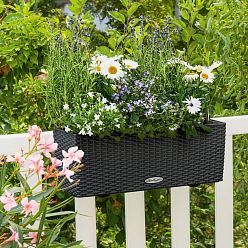
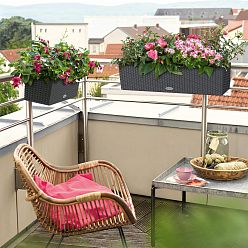
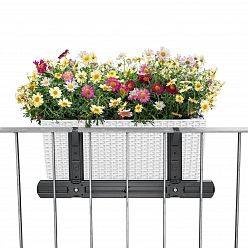
Yes — many window box planters in the Getpotted range are suitable for railing or balcony use, either resting on a flat surface or fixed with brackets. If your railing or balcony has a specific bar width, check the bracket compatibility listed on the product page before ordering. For elevated positions, lightweight materials are strongly recommended, and it's worth confirming that the fixing point can support the combined weight of the box, compost and plants when fully watered.
How do I keep window box plants looking good all season?
The key factors are regular watering, feeding and deadheading. Window boxes dry out faster than ground-level planters because they're exposed to wind and often in direct sun. Water daily in warm weather and use a liquid feed every one to two weeks once plants are established. Remove spent flowers regularly to encourage continuous blooming. At the end of each season, refresh the compost and replace with new seasonal planting to keep the display looking its best year-round.
Are window boxes suitable for growing vegetables and herbs?
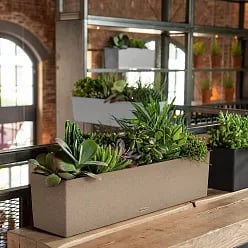
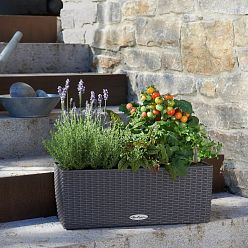
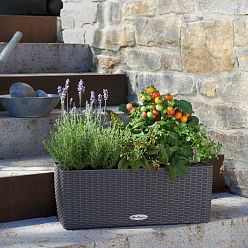
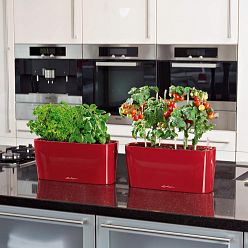
Absolutely — herbs in particular thrive in window boxes. Basil, parsley, chives, mint, thyme and rosemary all grow well in a window box with good sun exposure and regular watering. For vegetables, compact or dwarf varieties work best — cherry tomatoes, salad leaves, radishes and dwarf French beans are all viable in a deep window box of 15–20 cm or more. Position herb boxes on a south or west-facing sill for the best results, and harvest regularly to encourage fresh growth.